
Prop Trading Definition: Understanding Proprietary Trading In Financial Markets
Prop Trading Definition
Proprietary trading, commonly known as prop trading, represents a distinct segment within the financial trading landscape where firms engage in buying and selling financial instruments using their own capital. Unlike traditional client-focused trading models, prop trading firms operate independently, focusing solely on generating profits through market activities. The primary objective in prop trading is to capitalize on market movements, employing sophisticated strategies to achieve consistent returns. This approach allows firms to leverage their expertise, technology, and market insights to optimize trading outcomes.
At its core, prop trading differs from brokerage services or investment advisory roles, which involve managing client funds or providing financial guidance. Instead, proprietary traders assume full ownership of the positions they take, assuming all associated risks and rewards. This structure emphasizes the importance of risk management, strategic execution, and technological prowess, as traders aim to maximize profitability within defined risk parameters.
Key Characteristics of Proprietary Trading
- Use of Firm Capital: All trading activities are conducted using the firm’s funds.
- Focus on Market-making and Speculation: Strategies involve both liquidity provision and taking directional bets on market movements.
- Advanced Technology: Utilization of sophisticated algorithms, high-frequency trading systems, and data analysis tools.
- Risk and Reward Centered: Profitability hinges on effective risk management and strategic decision-making.

Proprietary trading serves as a vital component of financial markets, offering liquidity and market efficiency while also providing opportunities for firms to capitalize on short-term and long-term market movements. Its evolution reflects advancements in trading technology, financial analysis, and risk assessment, continuously shaping the way firms approach market participation and profit generation.
Origins and Evolution of Prop Trading
Proprietary trading has a rich history that dates back several decades, evolving alongside advancements in financial markets, technology, and trading strategies. Initially, its roots were established in traditional trading floors where firms such as investment banks and brokerage houses conducted proprietary activities to capitalize on market inefficiencies and price movements. During the mid-20th century, the practice gained prominence as firms recognized the potential for generating significant profits through dedicated trading desks that utilized their own capital.
The growth of electronic trading platforms in the late 20th and early 21st centuries fundamentally transformed prop trading. Advanced technology enabled faster execution, complex algorithmic strategies, and sophisticated data analysis, leading to increased profitability and diversification of trading approaches. This technological shift fostered the emergence of specialized prop trading firms, often separate entities within larger financial institutions or independent firms focused solely on proprietary activities.
Furthermore, regulatory developments and market reforms have influenced the evolution of prop trading. As markets became more transparent and regulated, firms adapted by adopting more rigorous compliance frameworks and risk controls, allowing them to operate more efficiently and at a greater scale. Today, proprietary trading is characterized by a blend of quantitative analysis, machine learning, and high-frequency trading, contributing to its ongoing transformation and sustained relevance in contemporary financial markets.
Key Drivers Behind the Growth of Prop Trading
- Technological Innovation: The rise of electronic communication networks and algorithmic systems exponentially increased trade execution speed and accuracy.
- Market Complexity: Increasing financial instruments and market volatility created opportunities for skilled traders to exploit price discrepancies and market inefficiencies.
- Capital Efficiency: Firms aimed to generate higher returns on invested capital compared to traditional client-facing services.
- Global Market Integration: Expanded market access and international trading offered broader scope for profit-making strategies.
As proprietary trading continues to adapt to rapid technological changes, its role remains pivotal in providing liquidity and facilitating efficient price discovery in modern financial markets.
How Proprietary Trading Operates
Proprietary trading involves trading directly with the funds of a trading firm, rather than on behalf of clients. This operational approach allows firms to deploy their own capital in pursuit of profit, leveraging sophisticated trading strategies and technological tools to identify and capitalize on market opportunities. The foundation of prop trading is built on the ability to quickly adapt to market conditions while managing potential risks effectively.
At the core of proprietary trading is the utilization of advanced technology and data analysis. Many firms employ algorithmic trading systems that analyze market data in real-time, execute trades at lightning-fast speeds, and adjust positions instantaneously based on predefined parameters. Such automation significantly enhances the efficiency and accuracy of trade execution, minimizing human error and enabling traders to focus on strategic decision-making.

Risk management plays an integral role in prop trading. Firms establish stringent control measures, including stop-loss mechanisms, position limits, and real-time monitoring to oversee exposure levels. Traders are often part of teams supported by quantitative analysts and risk managers who continuously evaluate market conditions and the firm’s overall risk profile. This collaborative environment ensures that profit opportunities are balanced against potential losses, maintaining financial stability within the firm.
Profit strategies in prop trading encompass a variety of approaches ranging from short-term arbitrage to more complex statistical and algorithmic models. Arbitrage strategies exploit price discrepancies across different markets or instruments, while momentum trading aims to capitalize on existing market trends. High-frequency trading strategies involve executing large volumes of trades within fractions of a second to profit from minimal price movements. Each strategy requires rigorous testing and constant refinement to adapt to ever-changing market dynamics.
Firms also employ diversification techniques, trading multiple asset classes such as equities, commodities, forex, and derivatives to spread risk and enhance return potential. The capacity to switch swiftly between strategies and asset classes is crucial to maintaining a competitive edge in the highly volatile landscape of prop trading.
Practical Example of Prop Trading in Action
An example can be seen in algorithmic arbitrage trades where a firm's systems detect a price mismatch between two exchanges for the same asset. The firm then simultaneously buys the asset on the cheaper exchange and sells it on the more expensive one, locking in a profit. These trades are executed in milliseconds, allowing traders to capitalize on fleeting opportunities that are inaccessible to manual traders. This example highlights the efficiency, speed, and sophistication characteristic of modern proprietary trading operations.
Overall, the operational infrastructure of prop trading emphasizes technological prowess, strategic agility, and meticulous risk oversight. This combination enables firms to generate substantial profits while maintaining resilience amid market fluctuations, making proprietary trading a vital component of modern financial markets.
Understanding Prop Trading: An In-Depth Perspective
Defining Proprietary Trading
Proprietary trading, often referred to as prop trading, embodies a financial practice where firms utilize their own capital to engage directly in the buying and selling of financial instruments. Unlike traditional brokerage activities that facilitate client transactions, prop trading involves trading teams or algorithms actively managing the firm's funds to maximize returns. This approach allows trading entities to pursue profit generation through a spectrum of strategies that capitalize on market inefficiencies, volatility, and mispricings across diverse asset classes.
The core premise of prop trading is leveraging the firm's financial resources while employing sophisticated analytical tools, algorithms, and trading systems. This model enables traders to operate with significant flexibility, deploying various market techniques such as technical analysis, quantitative models, and high-frequency trading. The aim is to identify and exploit short-term market opportunities more efficiently than external investors or passive investment approaches.

The Origins and Development of Prop Trading
The concept of trading with one's own funds has roots stretching back centuries, but the modern landscape of proprietary trading was significantly shaped by the development of electronic trading systems and the expansion of financial markets in the late 20th century. Initially, proprietary trading was predominantly conducted by large investment banks and brokerage firms aiming to diversify revenue streams beyond traditional brokerage commissions and advisory fees.
Throughout the decades, regulatory changes, technological advancements, and evolving market structures fostered the growth of dedicated prop trading divisions. These units became instrumental in enabling firms to generate substantial profits, especially through quantitative trading and algorithmic strategies. Prop trading firms progressively shifted from reliance on human discretion to embracing automation, high-frequency trading, and complex data analytics, which increased trading speed and decision-making precision.
This evolution also saw a diversification in the types of firms involved—from traditional investment banks and boutique trading firms to independent proprietary trading shops specializing entirely in internal capital deployment. The industry experienced continuous innovation, adapting to new asset classes and boundary-pushing technological capabilities.
Operational Foundations of Proprietary Trading
The operational landscape of prop trading revolves around a combination of technological infrastructure, strategic agility, and rigorous risk controls. Firms invest heavily in advanced trading platforms, data analytics, and algorithmic systems that enable rapid identification and execution of opportunities across multiple asset classes.
Trading teams—comprising algorithm developers, quantitative analysts, and experienced traders—collaborate to refine strategies continuously. Automated trading systems scan markets for divergences, arbitrage opportunities, and price discrepancies, executing trades often within milliseconds. Such speed and sophistication are essential in exploiting fleeting market inefficiencies that manual trading cannot approach.
Risk management plays a pivotal role, with firms employing sophisticated safeguards to monitor liabilities and prevent significant losses. Real-time analytics, stop-loss mechanisms, and position limits safeguard against unpredictable market swings. Additionally, diversification across multiple markets—such as equities, commodities, forex, and derivatives—serves to mitigate concentrated risk exposures, ensuring both resilience and profitability.

The continuous evolution of proprietary trading involves integrating new strategies, embracing cutting-edge technology like artificial intelligence, and adapting to changing market conditions. This dynamic environment demands that firms remain agile, innovative, and disciplined to sustain competitive advantage and ensure sustainable profit generation.
Proprietary Trading Asset Classes
Proprietary trading encompasses a broad spectrum of asset classes, allowing trading firms to diversify their strategies and capitalize on various market conditions. This diversity enables firms to optimize their profit potential while managing risk effectively.
Equities and Stock Indices
Trading equities involves buying and selling shares of publicly listed companies. Prop traders leverage advanced analytical tools to identify short-term price movements and take advantage of volatility. Stock indices, such as the S&P 500 or Nasdaq, are also popular instruments, allowing traders to speculate on overall market trends without individual stock selection.
Foreign Exchange (Forex)
The forex market is highly liquid and operates 24 hours, making it a prime asset class for prop trading. Traders utilize sophisticated algorithms to exploit small inefficiencies and volatility across currency pairs. Currency trading often involves leverage, which amplifies potential gains, but also increases risk, necessitating rigorous risk management strategies.
Commodities
Commodities like gold, oil, natural gas, and agricultural products are actively traded in prop trading environments. These markets are influenced by geopolitical events, supply-demand dynamics, and macroeconomic indicators. Prop traders use technical and fundamental analysis to anticipate price movements and execute timely trades.
Derivatives and Futures
Derivatives allow traders to speculate on the future price of an asset or hedge existing exposures. Futures contracts on commodities, indices, and currencies are common tools within prop trading firms. They enable leverage and risk transfer but require a deep understanding of market mechanics and sophisticated risk controls.
Fixed Income Securities
Although less prevalent compared to other assets, fixed income securities such as bonds and interest rate instruments are also employed in certain prop strategies. Traders analyze macroeconomic indicators, interest rate trends, and credit spreads to identify arbitrage opportunities.

Given the complexity and rapid pace of these markets, prop trading firms depend heavily on quantitative models, algorithmic executions, and real-time data analytics to remain competitive. The ability to adapt quickly to market shifts across these diverse asset classes is crucial for sustained profitability.
Understanding Proprietary Trading: A Deep Dive
How Proprietary Trading Operates
Proprietary trading involves trading financial instruments using a firm's own capital, rather than client funds. This approach enables firms to pursue profit opportunities from market movements across various asset classes. Prop traders employ a range of strategies, often relying heavily on sophisticated quantitative models, algorithmic trading systems, and real-time data analytics. These tools assist in identifying profitable trades at rapid speeds, capitalizing on minute price discrepancies and market inefficiencies.
In many proprietary trading firms, traders are supported by extensive technological infrastructure, including high-speed trading platforms, direct market access, and advanced risk management software. Speed and precision are key, as the ability to execute trades swiftly and accurately can significantly impact profitability.
Proprietary trading firms foster a dynamic environment where traders continuously analyze market signals, implement complex trading algorithms, and adapt strategies based on evolving market conditions. They often employ a multi-asset approach, trading equities, options, futures, currencies, and commodities. These diverse instruments allow for portfolio diversification and risk-adjusted return optimization.
Moreover, proprietary traders often operate within predefined trading parameters and risk limits. This systematic oversight ensures that trading activity aligns with the firm's risk appetite, helping to prevent substantial losses during volatile periods. Proprietary trading's success depends on a combination of market insight, technological proficiency, and disciplined execution.

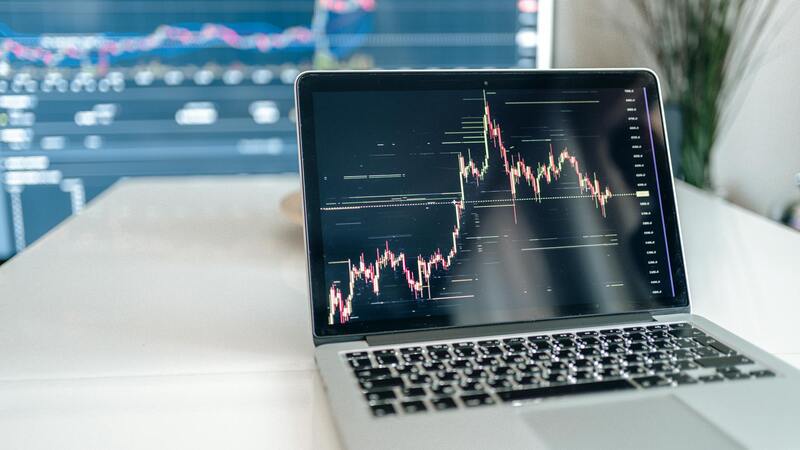
Understanding Proprietary Trading: Asset Types and Market Engagement
Asset Classes Commonly Traded by Prop Firms
Proprietary trading firms actively participate in a diverse range of asset classes to capitalize on market opportunities and diversify their risk exposure. These assets include equities, futures, options, forex, and cryptocurrencies. Each asset class presents unique trading dynamics, risk profiles, and operational requirements, demanding specific expertise from traders and analysts.
Equities, or stocks, form a significant portion of proprietary trading portfolios. Traders leverage their market knowledge to identify undervalued or overbought stocks, executing buy and sell orders to generate profits within short to medium timeframes. The highly liquid nature of equity markets allows for rapid execution and frequent trading, making them attractive for high-frequency trading strategies.
Futures contracts enable firms to speculate on price movements in commodities, indices, currencies, and other financial instruments. These contracts offer leverage, allowing for larger position sizes with a smaller initial capital outlay, which amplifies both potential gains and risks. Sophisticated risk management is fundamental when trading futures due to their volatility and leverage-associated risks.

Trading of Derivative Instruments
Options and other derivative instruments are integral to prop trading strategies, offering ways to hedge existing positions or speculate on market volatility. Options provide traders with asymmetric risk-reward profiles, enabling finely tuned strategic executions. Prop trading firms employ complex algorithms to identify optimal entry points and hedge against adverse movements effectively.
Emergence of Cryptocurrency Trading
Cryptocurrency markets have gained prominence in recent years, providing new avenues for profit due to their high volatility and 24/7 trading cycles. Prop firms that venture into crypto trading often develop specialized algorithms to exploit short-term price fluctuations. Due to the nascent yet rapidly evolving nature of these markets, traders must stay abreast of technological developments and market news to make informed decisions.
Technological Infrastructure and Trading Strategies
The backbone of successful prop trading operations is advanced technological infrastructure. High-performance computing systems, real-time market data feeds, and sophisticated trading algorithms are critical in executing large volumes of trades swiftly and accurately. Traders rely heavily on data analytics, machine learning models, and algorithmic execution systems to identify market inefficiencies and execute trades with minimal latency.
Strategic approaches vary from quantitative and systematic trading to discretionary and discretionary system-integrated strategies. Quantitative traders develop mathematical models to identify profitable opportunities based on historical data, while discretionary traders rely on intuition and market analysis to make trading decisions. Many firms combine these approaches to adapt to dynamic market conditions effectively.
Operational and Market Risks
While proprietary trading offers significant profit potential, it also involves substantial risks. Market volatility, technology failures, and sudden liquidity shortages can lead to severe losses. As such, firms implement rigorous risk assessment protocols, including real-time monitoring systems, automatic stop-loss orders, and position limits. Continuous performance reviews and adaptive risk strategies are vital to maintaining resilience against unpredictable market shifts.
Proprietary Trading in the Modern Financial Landscape
Understanding Profitability Models and Trading Strategies
Proprietary trading firms leverage a variety of sophisticated models to maximize profitability within their trading operations. These models focus on identifying inefficiencies and exploiting arbitrage opportunities across diverse markets and asset classes. Quantitative analysis plays a central role, employing complex algorithms to parse large datasets for patterns that suggest profitable trade setups. Traders often utilize high-frequency trading techniques that capitalize on minimal price discrepancies, executing thousands of trades within fractions of a second.

Developments in artificial intelligence and machine learning have further refined these models, allowing firms to adapt in real-time to changing market dynamics. This continuous feedback loop enhances decision-making precision, ultimately leading to higher returns on trading capital. Systematic trading strategies, driven by algorithmic models, often operate 24/7—monitoring markets, adjusting positions, and executing trades with minimal human intervention. Meanwhile, discretionary traders, supported by comprehensive market analysis and news feeds, add an element of judgment, allowing for nuanced trade entries and exits that algorithms may not capture.
The Role of Technology and Data in Prop Trading
The backbone of successful prop trading is cutting-edge technological infrastructure. Reliable, low-latency data feeds combined with high-performance computing resources enable firms to act on market signals instantaneously. Proprietary trading firms invest heavily in data analytics platforms, which compile historical data, real-time market information, and alternative data sources to generate actionable insights.
Machine learning models analyze historical patterns and current market conditions, continuously improving their predictive accuracy through adaptive algorithms. These systems identify subtle market shifts, allowing traders to position themselves advantageously before the broader market reacts. Additionally, robust risk management software integrates seamlessly with trading systems, providing real-time alerts, automatic order execution, and strict adherence to predefined risk parameters.
Market Assets and Instrument Diversity
In prop trading environments, the scope of assets traded is notably broad, spanning equities, derivatives, commodities, foreign exchange (FX), and fixed income securities. Firms often specialize in specific asset classes based on their expertise and strategic focus, but many maintain diversified trading desks to mitigate exposure to particular market segments.
- Equities: Stock trading involves both long and short positions to profit from price movements and volatility.
- Derivatives: Options, futures, and swaps are heavily utilized for hedging, speculation, and leverage.
- Commodities: Trading commodities like oil, gold, and agricultural products can offer diversification and profit opportunities tied to global supply and demand dynamics.
- Foreign Exchange (FX): Currency trading is highly liquid and suitable for quick arbitrage and trend-following strategies.
- Fixed Income: Bonds and interest rate instruments provide options for capital preservation and income generation, often used in hedging strategies.
Frameworks and Compliance Structures
Proprietary trading firms adhere to structured frameworks that formalize their operational procedures and risk policies. While navigating various regulatory landscapes, firms establish compliance protocols that govern trading activities, capital allocation, and internal audits. These frameworks ensure that trading practices align with industry standards and organizational objectives, fostering a disciplined environment that minimizes unintended exposures.

Operationally, firms implement tiered approval processes for trading strategies, periodic performance evaluations, and comprehensive documentation of trade rationale. This disciplined approach supports ongoing accuracy, accountability, and continuous improvement within the trading desks.
Risk Management Strategies
Effective risk management is fundamental to sustaining profitability in prop trading. Firms employ multilayered hedging systems, dynamic position sizing, and automated stop-loss orders to limit potential downturns. Real-time monitoring dashboards track exposure across asset classes, enabling traders and risk officers to respond swiftly to adverse market movements.
Participating in practice through simulations and backtesting helps refine strategies while understanding potential drawdowns. The integration of scenario analysis and stress testing further equips firms to withstand unexpected shocks and maintain operational resilience during turbulent periods.
Limitations and Future Directions
While proprietary trading holds significant potential for generating profits, it also confronts evolving challenges such as rapid technological changes, market complexity, and increasing competition. Staying ahead requires continuous innovation in algorithm development, deeper data analysis, and markets analysis. Embracing emerging technologies like quantum computing and advanced AI can facilitate new trading paradigms, ultimately enhancing efficiency, accuracy, and competitiveness.
