
Proprietary Trading Meaning: Definition, Strategies, And Industry Insights
Understanding the Meaning of Proprietary Trading
Proprietary trading, often referred to simply as 'prop trading,' is a form of trading where a financial firm or commercial bank invests its own capital in the financial markets. Unlike client-centric trading activities, proprietary trading involves the firm directly taking positions in various securities, derivatives, currencies, or commodities with the primary goal of generating profits from market movements. This activity enables firms to leverage their expertise and resources to capitalize on market opportunities, often aiming for higher returns than traditional trading conducted on behalf of clients.
At its core, proprietary trading differs significantly from other trading activities such as agency trading or brokerage services. In agency trading, firms execute transactions on behalf of clients, earning commissions or fees. However, in proprietary trading, the firm acts as the principal — investing its own funds and bearing the associated risks and rewards. This distinction underscores the importance of specialized strategies and risk management techniques in prop trading, as the firm's financial health heavily depends on the success of these ventures.

The essence of proprietary trading involves a high level of market analysis, risk assessment, and strategic execution. Traders within these firms employ sophisticated methods to identify market inefficiencies or trends, seeking to profit from short-term price fluctuations, arbitrage opportunities, or directional bets. As a result, proprietary trading plays a vital role in providing liquidity and depth to financial markets, often facilitating smoother price discovery and efficient market functioning.
In summary, proprietary trading is a strategic business activity where firms harness their market knowledge, technology, and capital to generate profits independently. Its distinct approach from other types of trading highlights the importance of expertise, risk management, and strategic insight in pursuing successful prop trading operations.
Historical Development and Evolution of Proprietary Trading
Proprietary trading has undergone significant transformation since its inception, shaped by the evolving landscape of financial markets and technological advancements. Initially, the concept of trading with a firm's own capital emerged alongside the rise of investment banking and brokerage firms, primarily as a means to capitalize on market inefficiencies and arbitrage opportunities. During the early 20th century, proprietary trading was largely a pursuit of private investment firms and established trading desks within large financial institutions.
As markets grew increasingly complex, the importance of insider knowledge, sophisticated technology, and rapid execution capabilities became evident. This led to the development of specialized trading desks dedicated solely to proprietary trading. The 1980s and 1990s marked a golden era for prop trading firms, characterized by high leverage, innovative trading algorithms, and a focus on short-term gains. During this period, proprietary traders utilized quantitative models and high-frequency trading strategies to exploit minute price discrepancies across various instruments and markets.
Regulatory changes in the early 2000s, aimed at increasing transparency and reducing systemic risk, significantly impacted proprietary trading activities. Notably, the introduction of the Volcker Rule in the United States in 2010 restricted banks from engaging in proprietary trading directly, prompting many firms to establish independent entities dedicated solely to prop trading. This shift emphasized the importance of official, structured frameworks for risk management, compliance, and operational control within proprietary trading operations.
The ongoing integration of advanced analytics, machine learning, and algorithmic systems continues to redefine the contours of prop trading. Firms now leverage big data and sophisticated models to enhance decision-making and execute trades at lightning-fast speeds. As the industry moves forward, proprietary trading remains a crucial element for liquidity provision, market innovation, and exploitation of short-term opportunities, adapting constantly to the dynamic nature of global financial markets.

Definition of Proprietary Trading
Proprietary trading, commonly referred to as prop trading, involves financial firms or traders using their own capital to conduct trading activities across various markets. Unlike trading on behalf of clients, proprietary traders aim to generate profits solely for their firm by engaging in a wide array of investment strategies, including equities, derivatives, commodities, and currencies. This practice allows firms to leverage their expertise, technology, and capital to exploit market inefficiencies, capitalize on short-term price movements, and enhance overall market liquidity.
At its core, proprietary trading centers around the use of the firm’s resources—be it advanced trading algorithms, robust risk management systems, or specialized market insights—to seek consistent profit streams. Proprietary trading desks typically operate independently within larger financial institutions or as standalone firms, emphasizing aggressive risk-taking and innovative strategies. The primary goal is to maximize returns by identifying and executing high-probability trades based on quantitative models, market analysis, or discretionary judgment.
Moreover, proprietary trading is distinguished by its focus on swift execution and high leverage, enabling traders to amplify their positions. This approach, however, necessitates stringent risk controls to prevent excessive exposure and maintain the firm's long-term financial stability. Proprietary trading also plays a vital role in providing liquidity to markets, narrowing bid-ask spreads, and fostering a more dynamic trading environment that benefits other market participants.

Core Characteristics of Proprietary Trading
- Use of Own Capital: Firms trade using their own funds rather than client assets or commissions.
- Profit Motivation: Focus on earning profits through market speculation and strategic positions.
- Risk and Leverage: High leverage is common, increasing both potential gains and risks.
- Technology Dependency: Reliance on sophisticated algorithms, analytics, and real-time data.
- Diversified Strategies: Utilization of multiple trading approaches to adapt to different market conditions.
Key Attributes of Proprietary Trading Activities
- Execution speed and precision, critical for high-frequency trading.
- Close monitoring of market trends and news for discretionary trades.
- Application of quantitative models to identify arbitrage opportunities.
- Active risk management processes to control exposure and losses.
- Continuous innovation to stay ahead in competitive markets.
Roles and Functions of Proprietary Traders
Proprietary traders serve a multifaceted role within their firms, executing strategies designed to capitalize on market opportunities inherent in various financial instruments. Their activities extend beyond simple speculation, involving complex decision-making processes that require an acute understanding of market mechanics, risk management, and timely execution.
One of the primary responsibilities of proprietary traders is market making, where they provide liquidity by continuously quoting buy and sell prices for particular assets. This function helps narrow bid-ask spreads, facilitating smoother transactions for other market participants and contributing to overall market efficiency.
Another key activity is arbitrage trading, which involves exploiting price discrepancies of the same or related assets across different markets or instruments. These strategies often require rapid analysis and execution to maximize profits while minimizing exposure to adverse price movements.
Risk management is intrinsically linked to all activities undertaken by proprietary traders. They actively monitor market conditions, manage leverage, and implement hedging strategies to control potential losses. This involves sophisticated analytics, real-time data analysis, and adherence to predefined risk thresholds established by the firm.
Moreover, discretionary trading based on market news, macroeconomic data, or technical patterns is also a significant component of a proprietary trader’s responsibilities. This requires traders to stay informed about global events and market sentiment to make swift, informed decisions that align with the firm’s strategic objectives.

Implementation of Quantitative Models and Technology
Modern proprietary trading firms heavily rely on quantitative models that identify arbitrage opportunities, forecast market trends, and improve trade execution. These models are developed using advanced algorithms, machine learning, and big data analytics, enabling traders to process vast amounts of information quickly and accurately.
Automation and high-frequency trading systems are pivotal in executing trades at lightning speeds, often within milliseconds. Such technological reliance requires proprietary traders to have a strong understanding of software platforms, programming languages, and data analysis techniques.
Continuous innovation and adaptation are vital to maintaining a competitive edge. Firms invest heavily in research and development, integrating the latest technological advancements to refine existing strategies and develop new ones to stay ahead of market developments.
This integration of cutting-edge technology and strategic expertise underscores the technical sophistication associated with proprietary trading activities, emphasizing the importance of skillful execution and rigorous risk controls.
Types of Proprietary Trading Strategies
Proprietary trading firms employ a diverse range of strategies to capitalize on market opportunities. Each approach is tailored to the firm’s risk appetite, technological capabilities, and market expertise. The main types include quantitative trading, discretionary trading, and combined methods that integrate elements of both.
Quantitative Trading Strategies
Quantitative trading, often known as quant trading, relies heavily on mathematical models and algorithms to identify trading opportunities. These strategies analyze vast datasets, including historical price movements, economic indicators, and market sentiment metrics, to forecast potential profit zones. Traders develop complex algorithms that execute trades at high speeds, sometimes in milliseconds, leveraging automation to capitalize on small price discrepancies that occur frequently within markets.
Common types of quantitative strategies include statistical arbitrage, algorithmic trend following, and market making. Statistical arbitrage exploits price inefficiencies between related securities, while trend following algorithms identify and ride sustained market directions. Market making involves providing liquidity by continuously quoting buy and sell prices, profiting from the bid-ask spread. These strategies require significant technological infrastructure, data science expertise, and rigorous risk management systems.

Discretionary Trading Strategies
Discretionary trading involves human judgment to make trading decisions based on market analysis, news, and macroeconomic factors. Traders using this approach rely on their experience, intuition, and qualitative analysis to interpret market signals that may not be immediately quantifiable. Often they integrate fundamental analysis—evaluating the financial health of companies, economic data releases, and geopolitical developments—into their decision-making process.
This strategy allows for flexibility and adaptability, especially in volatile markets where automated models may lag or misinterpret complex scenarios. Experienced discretionary traders can quickly respond to unexpected events, adjusting their positions based on evolving market conditions. Nonetheless, this approach depends heavily on the skill level and market insights of individual traders.
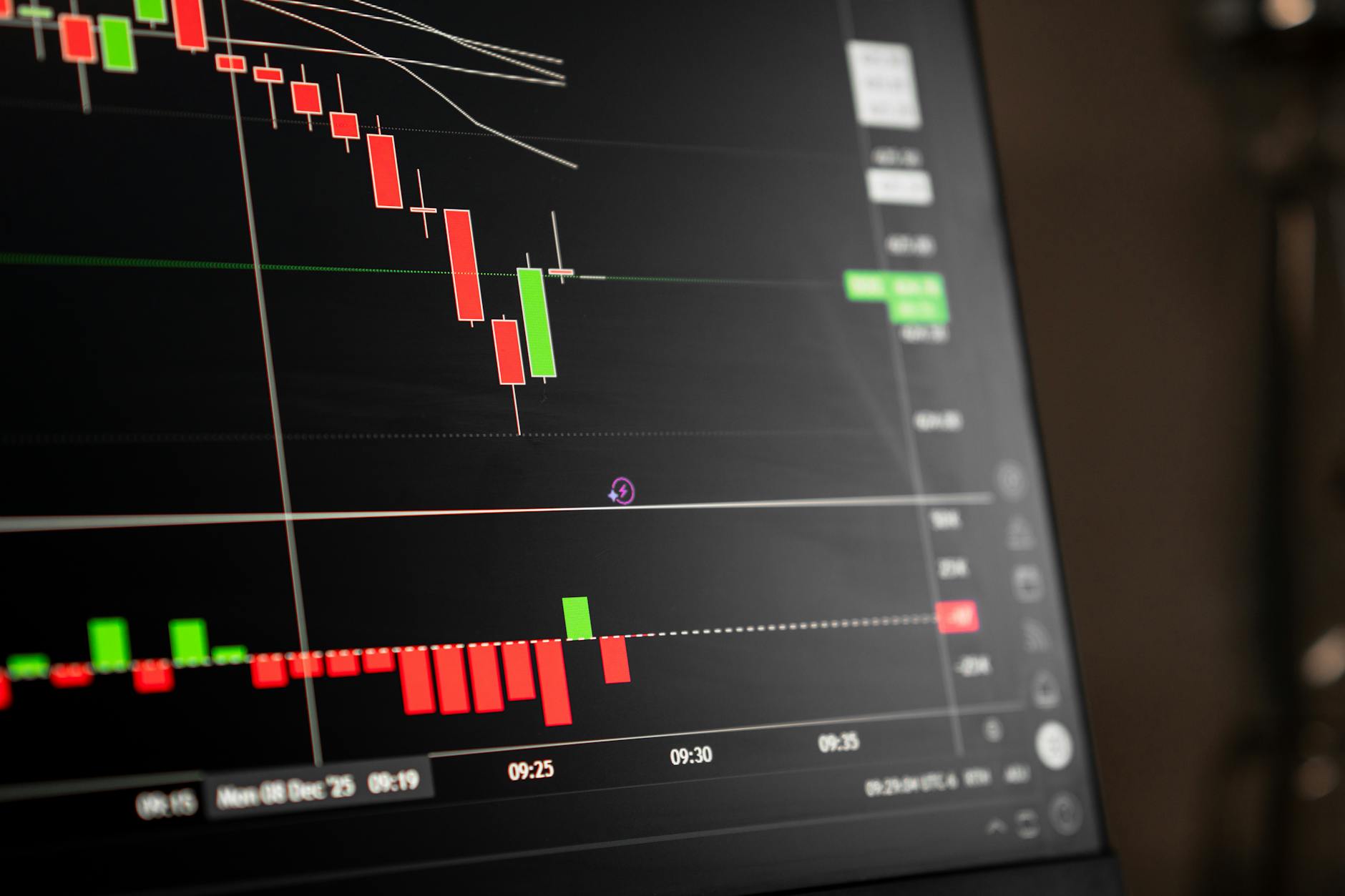
Hybrid Strategies
Many proprietary trading firms adopt hybrid strategies that combine quantitative algorithms with discretionary judgment. These approaches leverage the speed and consistency of automation while allowing traders to incorporate qualitative insights during critical market moments. For example, models might identify potential trades, but traders exercise discretion in execution timing or position sizing to optimize results.
This blending of methodologies creates a robust trading framework capable of adapting to market shifts and exploiting a wide array of opportunities. The integration of human expertise with advanced technology enhances overall trading performance and risk control.
Understanding Proprietary Trading: Methods of Legitimate Market Engagement
Within the landscape of proprietary trading, the primary focus remains on analyzing and utilizing proper channels to generate profit. Traders in this sector rely on a spectrum of established methods that are rooted in transparency and disciplined approaches to market transactions. These approaches emphasize the importance of comprehensive research, adherence to best practices, and the use of advanced tools designed for efficient execution without compromising integrity.

Fundamental and Technical Analysis
Fundamental analysis involves evaluating economic indicators, financial statements, and macroeconomic data to identify potential investment opportunities. Traders utilizing this method study industry trends, corporate health, and geopolitical factors that influence asset prices. Pairing this with technical analysis, which examines price charts, volume patterns, and market momentum, provides a comprehensive picture to inform trading decisions. These analyses offer a systematic and data-driven approach, aligning with ethical standards and fostering informed decision-making.
Automated and Algorithmic Trading
Automation plays a critical role in legitimate proprietary trading, particularly through the use of algorithmic models that adhere to predefined parameters. These models are developed based on rigorous back-testing, ensuring their strategies are sound and robust. Automated trading systems execute orders seamlessly, minimizing emotional influence and maintaining discipline. Proper oversight and regular calibration of algorithms uphold compliance and quality standards, ensuring that trading activities are consistent with recognized procedures.

Risk Management Protocols
Implementing strong risk controls is essential to legitimate proprietary trading. This involves setting strict position limits, stop-loss orders, and continuous monitoring of open trades. Traders utilize risk assessments grounded in statistical models and stress testing to predict potential losses. Risk management ensures that trading activities remain within predefined boundaries, preserving capital and maintaining operational integrity.
Compliance and Ethical Standards
Engaging in reputable proprietary trading requires strict adherence to industry standards and regulatory frameworks. Firms typically employ compliance officers and utilize audit trails to verify that all trading activities meet established guidelines. Transparency in reporting, maintaining accurate records, and respecting market rules are foundational principles that ensure trading practices remain above reproach.
Educational and Professional Development
Proprietary traders should continually enhance their skills through dedicated education, participation in training programs, and staying updated on market innovations. Such ongoing professional development endorses a strategic approach that is consistent, reliable, and aligned with high ethical standards.
Proprietary Trading Strategies and Market Dynamics
Within the landscape of proprietary trading, firms deploy a variety of refined strategies tailored to capitalize on market inefficiencies, price movements, and technological advancements. These strategies are essential for maintaining competitiveness and achieving consistent profitability in a highly dynamic environment.
Common Proprietary Trading Strategies
- Momentum Trading: Traders identify and follow prevailing market trends, entering positions aligned with the current direction of price movements. This strategy relies heavily on technical analysis tools such as moving averages and momentum indicators, aiming to generate profits from sustained trends.
- Arbitrage Strategies: Exploiting price discrepancies across different markets or related securities, arbitrage strategies involve executing simultaneous trades to lock in risk-free or low-risk profits. These require sophisticated algorithms and rapid execution capabilities.
- Statistical Arbitrage: Leveraging quantitative models, traders analyze historical price data to identify statistical relationships and deviations. The strategy involves executing trades that capitalize on the expected convergence of related assets.
- Market Making: Acting as liquidity providers, market makers offer bid and ask quotes to facilitate smoother trading flows, earning profits from the spread between buying and selling prices. This approach necessitates real-time risk management and rapid decision-making.
- Event-Driven Strategies: Reacting swiftly to news releases, earnings reports, or macroeconomic data, traders capitalize on market volatility triggered by such events. Timing and accuracy are critical components of success in this domain.
The Role of Technology in Strategy Deployment
Advanced technological tools, including high-frequency trading algorithms, artificial intelligence, and machine learning models, enhance the precision and speed of executing proprietary strategies. These innovations allow traders to analyze vast datasets instantaneously, identify subtle market signals, and execute trades within milliseconds.

Importance of Fundamental Analysis
While quantitative and technical analysis play a significant role, a thorough understanding of fundamental factors such as economic indicators, company financials, and geopolitical developments enables traders to refine their strategies. Combining fundamental insights with technological tools enhances decision-making processes and mitigates risks associated with unpredictable market events.
Developing a Robust Strategy Framework
The success of a proprietary trading operation depends heavily on the continuous refinement of strategies. This involves rigorous back-testing against historical data, ongoing performance analysis, and adaptation to changing market conditions. Proper diversification of strategies and asset classes also helps in managing overall risk exposure.
Integrating Risk Management into Strategy Design
Effective proprietary strategies are always underpinned by stringent risk controls. Techniques such as dynamic position sizing, automated stop-loss orders, and real-time monitoring safeguard capital and prevent significant losses. Incorporating scenario analysis and stress testing into strategy development further enhances resilience against adverse market shifts.

Proprietary Trading: An In-Depth Perspective
Understanding the Practical Approaches in Proprietary Trading
Proprietary trading firms rely heavily on proven, disciplined methods to generate consistent profit margins. These methods include a combination of algorithmic trading systems, quantitative analysis, and strict risk management protocols. Traders often utilize high-frequency trading platforms that leverage advanced computational algorithms capable of executing thousands of trades within milliseconds, capitalizing on minute market fluctuations.
One of the core methods employed is statistical arbitrage, which involves identifying and exploiting pricing inefficiencies between related financial instruments. This approach requires sophisticated models that can analyze vast data streams, detect anomalies, and execute trades swiftly to capture small, but reliable, profit opportunities. Quantitative models are continuously refined through back-testing, optimizing parameters to adapt to evolving market dynamics.

Another prominent approach is pattern recognition, where traders develop algorithms that identify specific chart formations, price movements, and market volume behaviors. These techniques often employ machine learning models that improve over time with exposure to new data, enhancing predictive accuracy.
Implementing Effective Risk Management in Proprietary Trading
Risk management is a fundamental aspect of legitimate proprietary trading practices. Firms employ a diversified toolkit to monitor, control, and minimize risk exposure. Constant real-time monitoring systems track all open positions and market conditions, enabling traders to respond instantly to adverse movements.
Dynamic position sizing strategies are crucial; they adjust trade size based on current risk levels and overall portfolio health. Automated stop-loss orders are actively placed to limit potential losses, ensuring that no single trade jeopardizes the entire trading account. Scenario analysis and stress testing are routinely performed to prepare for extreme market events and to refine contingency plans.
- Quantitative algorithms: Designed to analyze and execute trades based on mathematical models.
- Market sentiment analysis: Uses data from news feeds, social media, and economic reports to predict market movements.
- Event-driven trading: Focuses on macroeconomic releases, earnings reports, or geopolitical developments that significantly impact assets.
Regulatory Management and Ethical Conduct
Engaging in proprietary trading necessitates strict adherence to established regulations, ensuring fair and transparent market participation. Firms implement comprehensive compliance frameworks that monitor trading activity, prevent manipulative practices, and promote ethical standards. These measures not only shield the firm from regulatory sanctions but also uphold market integrity.
Legitimate proprietary trading strategies are built on transparent processes, solid risk assessment, and adherence to best practices, fostering sustainable trading operations. Ethical conduct encompasses responsible use of technology, honest reporting of trading activities, and compliance with relevant financial regulations governing market participation.

Market Impact and the Role of Proprietary Trading Firms
Proprietary trading firms play a significant role in providing liquidity and enhancing market efficiency. By actively participating in various asset classes, these firms help bridge gaps between bid and ask prices, facilitating smoother transactions. Their involvement in complex strategies often introduces beneficial trading volume, which can lead to tighter spreads and more efficient price discovery.
However, their strategies must be executed with transparency and responsibility. Proper risk controls and compliance processes prevent excessive speculation and market destabilization. The contribution of legitimate proprietary trading firms often results in more resilient markets capable of withstanding volatility and unexpected economic shocks.
