
What Is Prop Trading? Understanding Proprietary Trading In Financial Markets
What Is Prop Trading? An In-Depth Overview

Definition of Prop Trading
Proprietary trading, commonly known as prop trading, involves financial firms using their own capital to execute trades across various markets. Unlike traditional trading conducted on behalf of clients, prop trading focuses on generating profits directly for the firm by leveraging its resources and expertise. Traders in prop firms operate with the goal of exploiting market inefficiencies, leveraging technical analysis, and implementing quantitative strategies to maximize returns. This approach enables firms to capitalize on short-term opportunities and diversify their trading portfolios.
Primary Purpose and Operations
The core objective of prop trading is to enhance a firm’s profitability through active trading in securities, commodities, currencies, or derivatives. Proprietary traders utilize sophisticated algorithms and market insights to identify lucrative trading opportunities and execute timely trades. The capital allocated for these activities is separate from the firm's client assets, allowing for focused risk management and strategic execution. These firms often invest heavily in technology, market research, and training to maintain a competitive edge in fast-moving markets.
How Prop Trading Differs from Other Trading
While traditional trading might involve managing client funds or passive investment strategies, prop trading centers on leveraging the firm's own resources to seek profit. This distinction emphasizes the trader's role in directly contributing to the firm's revenue stream. Prop trading firms typically provide traders with significant autonomy and resources, including advanced analytical tools, data feeds, and risk management systems. Such independence allows traders to employ a broader variety of strategies without the constraints often faced in client-based trading environments.
Types of Assets in Prop Trading
Proprietary trading encompasses an extensive range of asset classes, offering traders multiple avenues to pursue profit:
- Equities: Trading shares of publicly listed companies across domestic and international markets.
- Forex: Engaging in currency pair transactions, often involving high liquidity and volatility.
- Futures and Commodities: Trading contracts related to commodities like oil, gold, or agricultural products to capitalize on price movements.
- Derivatives: Utilizing options, swaps, and other derivatives to enhance trading strategies and hedge risks.
- Forex and Cryptocurrency: Increasingly, prop firms are exploring digital currencies and related derivatives to diversify their assets.
Prop Trading Business Model
The typical prop trading business model revolves around traders executing high-volume trades with the firm’s capital, aiming to generate consistent profits. Firms often implement performance-based compensation structures, such as profit-sharing or bonuses linked to trading results. The firm’s risk management policies monitor trading activities to ensure that risk exposure remains within predetermined limits. Profits earned from successful trades are retained by the firm, while traders may receive a portion of the proceeds as part of their remuneration.
Qualifications and Entry Requirements
Successful entry into prop trading usually demands a blend of technical knowledge, market experience, and risk management skills. Many firms prefer candidates with a background in finance, economics, or quantitative disciplines, complemented by a strong track record in trading. Some firms provide training programs or simulated trading environments to assess potential traders’ skills. Demonstrating discipline, analytical ability, and resilience under pressure are crucial for traders aspiring to join a reputable prop trading firm.
Risks and Rewards of Prop Trading
Engaging in prop trading involves significant risk due to market volatility and rapid trading cycles. While the potential for high returns exists, traders must also be prepared for substantial losses. Profits depend on the trader’s skill, market conditions, and effective risk management strategies. Firms often require traders to adhere strictly to risk controls to protect both personal and firm capital, emphasizing disciplined trading practices to navigate the inherent uncertainties of financial markets.
Understanding the Core Operations of Prop Trading
Proprietary trading, commonly known as prop trading, centers on a firm's use of its own capital to generate profits through trading activities across various financial instruments. Unlike traditional trading that involves managing client funds or executing institutional orders, prop trading is driven by the firm’s internal strategies to capitalize on market opportunities. These firms allocate a dedicated trading desk and resources to develop strategies designed to exploit market inefficiencies, leverage, and short-term price movements.

Fundamental Mechanisms in Prop Trading Operations
At its core, prop trading requires a sophisticated infrastructure that combines cutting-edge technology, expert analysis, and disciplined trading practices. Firms often employ traders with specialized knowledge in equities, futures, options, forex, or other asset classes, empowered by a strategic framework designed to optimize profit margins while managing risk effectively. The decision-making process involves rigorous analysis of market trends, economic indicators, and technical signals, enabling traders to position themselves advantageously.
Many prop firms utilize advanced trading platforms and algorithmic models to execute large volume trades swiftly. These systems help mitigate risks associated with manual trading errors and allow traders to execute strategies that rely on rapid data analysis. The firm’s risk management policies work in tandem with these technological tools to set strict limits on leverage and position sizes, ensuring that individual trades and overall exposure stay within acceptable boundaries.

Profit Sharing and Compensation Models
Prop trading firms typically implement performance-based compensation structures to align traders’ incentives with the firm's profitability. Profits generated from trades are often split in accordance with predetermined arrangements, which may include profit-sharing schemes, bonuses, or a combination of both. The percentage of profits retained by traders can vary depending on experience, skill, and the firm’s internal policies.
In some cases, traders participate in a revenue share where they receive a percentage of the profits, while the firm takes the remainder to cover operational costs and risk provisions. Additionally, some firms offer base salaries or stipends combined with performance incentives to attract and retain top talent. This compensation structure encourages traders to focus on disciplined and consistent trading while maximizing profitability.
Capital Allocation and Risk Management
The amount of capital allocated to each trader is often linked to their experience, historical performance, and risk management capability. Firms meticulously monitor trades to ensure that risk exposure remains within prescribed limits. They implement tools such as stop-loss orders, real-time profit and loss tracking, and regular risk assessments to preserve the firm's overall financial health.
Risk management is not only about limiting losses but also about fostering disciplined trading habits. Traders are trained to adhere strictly to predefined risk parameters, which helps protect both their personal trading accounts and the firm's capital. This disciplined approach ensures sustainability in trading operations and longevity in the competitive environment of proprietary trading.
Trading Strategies Commonly Employed in Prop Trading
- Market Making: Providing liquidity by placing simultaneous buy and sell orders, profiting from bid-ask spreads.
- Statistical Arbitrage: Exploiting small, short-term price discrepancies among related assets.
- Trend Following: Capitalizing on sustained movements in asset prices based on technical analysis.
- Scalping: Executing rapid trades to seize small price differences within short time frames.
These strategies demand a high level of precision and speed, often requiring advanced algorithms and real-time data feeds. Successful implementation depends on continuous analysis, quick decision-making, and strict adherence to risk controls.
Methods and Strategies Employed by Prop Traders
Prop trading firms utilize a diverse array of strategies tailored to exploit specific market conditions and capitalize on different asset classes. These strategies hinge on the trader’s skill, analytical tools, and technological support, enabling them to achieve consistent profitability while managing potential risks effectively.
One of the most common approaches is market making, where traders provide liquidity to markets by placing simultaneous buy and sell orders. This method benefits from the bid-ask spread and requires rapid execution and precise timing to generate profit, especially in highly liquid markets such as equities and forex.
Statistical arbitrage is another widely used strategy. It involves identifying momentary mispricings between related assets, often utilizing advanced algorithms and quantitative analysis. Traders perform high-frequency trades to exploit these small discrepancies before the market corrects itself, demanding sophisticated technology infrastructure and real-time data analysis tools.
Trend following relies on technical analysis to identify persistent directional movements in asset prices. By riding these trends, traders aim for substantial gains over extended periods. This requires disciplined risk controls and the ability to hold positions through volatility, often involving the use of trailing stops and other risk-mitigation tools.
Scalping is characterized by executing numerous quick trades to profit from minor price movements within seconds or minutes. The success of this approach depends on rapid decision-making, low latency execution, and a comprehensive understanding of market microstructure. Scalping often involves high leverage, which necessitates precise risk management to prevent substantial losses.

Beyond these traditional methods, prop traders increasingly utilize algorithmic trading systems and machine learning models to refine decision-making processes. These tools help identify patterns, optimize trade timing, and adjust strategies dynamically based on evolving market data. Collaboration with quant scientists and software developers is common in topology-forming prop trading firms, underpinning their competitive advantage in navigating volatile markets effectively.
Understanding the specific methodologies employed by prop traders reveals their reliance on technological innovation, meticulous analysis, and disciplined execution. This combination allows them to generate substantial returns within the risk parameters established by their firms, often contributing to the broader market's liquidity and efficiency.
Understanding Prop Trading Strategies
Prop trading firms leverage a variety of sophisticated strategies to capitalize on market opportunities, aiming to generate consistent profits while managing risk effectively. Among these, algorithmic trading systems and quantitative analysis play a crucial role. These advanced tools enable traders to analyze vast datasets rapidly, identify profitable patterns, and execute trades with high precision. The integration of machine learning algorithms further enhances decision-making, allowing firms to adapt dynamically to changing market conditions.

Core Strategies Employed in Proprietary Trading
- Market Making: Traders provide liquidity by continuously quoting bid and ask prices for certain securities, profiting from bid-ask spreads while minimizing exposure to large price swings.
- Arbitrage: Exploiting price discrepancies between related assets or across different markets, ensuring quick entry and exit to lock in profit margins before they disappear.
- Trend Following: Identifying and riding market trends, this strategy involves entering positions aligned with prevailing price movements, with risk controls to prevent losses during reversals.
- Scalping: Executing a high number of quick trades to profit from minor price fluctuations, demanding exceptional speed and precision in execution.
Technological Innovations in Prop Trading
Prop trading firms are at the forefront of technological adoption, employing high-frequency trading platforms, real-time data feeds, and risk management software. These tools facilitate rapid decision-making, minimize latency in trade execution, and help maintain consistent risk controls. Trading algorithms are often backtested extensively using historical data, refining strategies to optimize gains while controlling downside exposure.
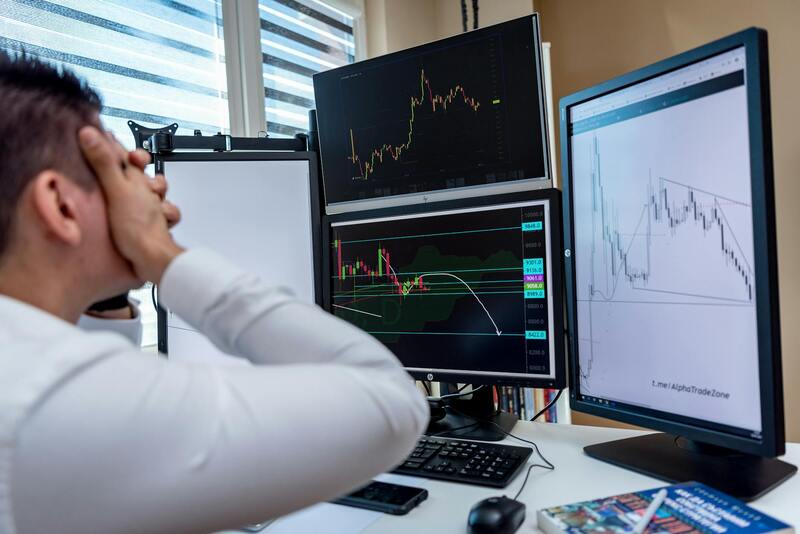
Partnerships with data scientists, software engineers, and quantitative analysts are common in this environment. These collaborations drive innovation, allowing firms to develop proprietary systems tailored to their trading philosophies, thus maintaining a competitive edge against market volatility and other external challenges.
Risk Management and Strategic Adjustments
Effective prop trading hinges on rigorous risk management protocols. Traders and firms deploy diverse techniques such as dynamic position sizing, stop-loss orders, and contingency plans to withstand adverse market movements. Regular review and adaptation of strategies are necessary, as market dynamics can shift rapidly, impacting the performance of even well-established trading systems.
Through disciplined execution, continuous technological enhancement, and comprehensive analysis, prop traders aim to sustain profitability in highly competitive environments. Their ability to innovate and adapt to new market conditions is vital to maintaining long-term success.
Legal and Regulatory Aspects
Within the realm of proprietary trading, understanding the framework that governs trading activities is essential for maintaining compliance and operational integrity. Regulatory bodies oversee various aspects of the industry, ensuring that firms adhere to standards designed to promote transparency, protect investor interests, and prevent manipulation or fraudulent practices. These regulations often stipulate requirements related to capital adequacy, risk management procedures, and reporting standards.
For traders and firms operating in this space, it is crucial to implement rigorous internal controls and uphold strict adherence to market rules. Many prop trading firms maintain compliance departments responsible for monitoring trading activities, conducting regular audits, and ensuring that trading practices align with regulatory expectations. They also invest heavily in training programs that emphasize ethical trading conduct and regulatory awareness.
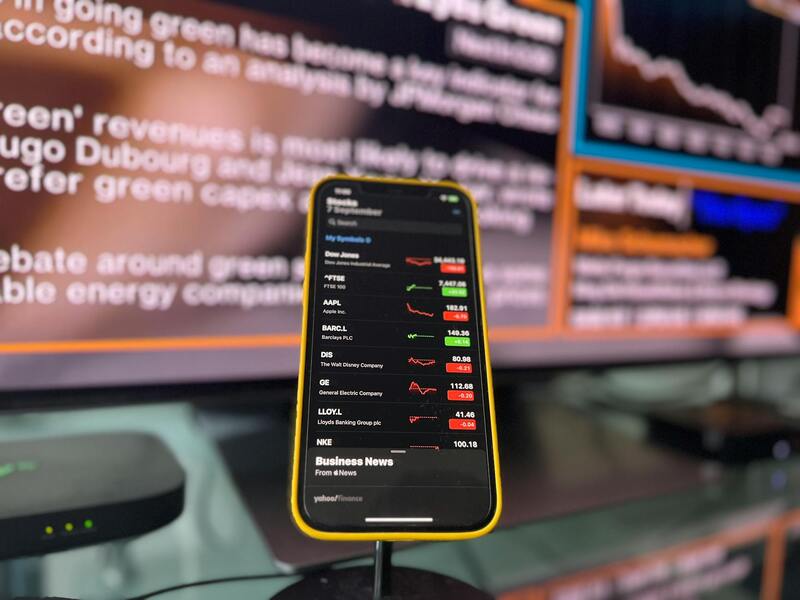
The regulatory environment varies across jurisdictions, and firms must stay informed about evolving rules to prevent inadvertent breaches. Some key areas include market manipulation prevention, proper disclosure of trading activities, and adherence to anti-money laundering protocols. Staying compliant not only safeguards the firm’s reputation but also enables it to operate under the oversight of authoritative bodies, which can boost credibility with clients, partners, and investors.
Many legitimate prop trading firms establish robust compliance frameworks aligned with the standards set by financial authorities. This often involves maintaining detailed trading records, conducting regular compliance audits, and fostering a culture of transparency within the organization. Through these measures, firms ensure that their trading strategies, while aggressive and innovative, remain within the bounds of established regulatory expectations.
It is equally important for traders within these firms to understand the importance of compliance. This includes following internal policies related to risk limits, reporting suspicious activities, and engaging in continuous education on regulatory changes. Such practices help uphold the integrity of the trading process and contribute to a stable and trustworthy trading environment.
Qualifications and Entry Requirements
Prospective prop traders must meet specific criteria to gain entry into proprietary trading firms. Typically, firms look for individuals with strong analytical skills, a solid understanding of financial markets, and a disciplined trading approach. While some firms prefer candidates with formal educational backgrounds in finance, economics, or related fields, many also value practical experience and demonstrated trading competence.
Most reputable prop trading companies require applicants to pass rigorous assessment processes. These may include technical evaluations such as trading simulations, problem-solving exercises, and detailed interviews to assess decision-making under pressure. Additionally, candidates often undergo aptitude tests designed to evaluate risk management skills, emotional resilience, and strategic thinking.
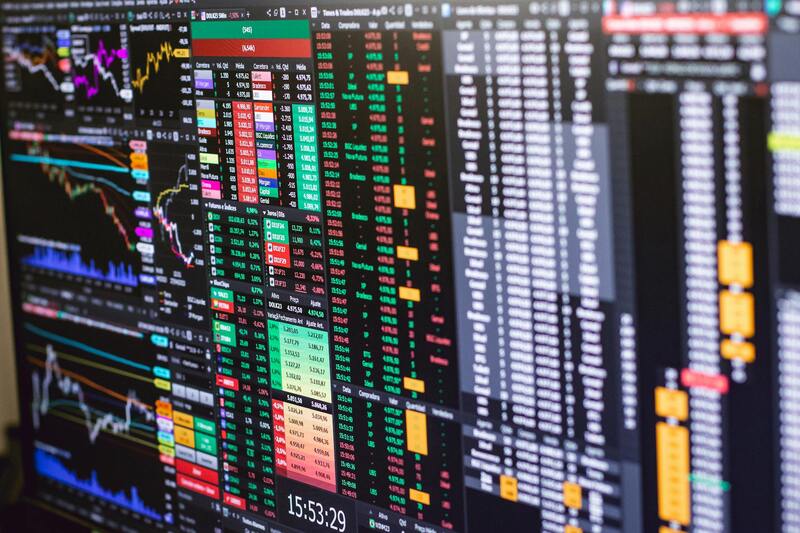
Access to proprietary trading programs may also necessitate a certain level of capital or bond to the firm, especially in scenarios where traders are required to contribute initial funds or meet minimum trading volume criteria. Furthermore, ongoing training and mentorship programs are common in established firms, aiming to sharpen traders' skills, ensure adherence to company policies, and promote consistent performance.
Continual professional development is key for traders looking to advance within the industry. Staying updated on market trends, refining trading strategies, and adhering to compliance protocols are essential practices that influence long-term success in prop trading environments.
Understanding the Core Criteria for Aspiring Prop Traders
Embarking on a career in proprietary trading requires meeting specific qualifications that demonstrate both competence and readiness to operate within the high-stakes environment of financial markets. Most reputable prop trading firms set forth defined entry standards to ensure traders possess the necessary skills, knowledge, and temperament to succeed.
Typically, candidates should have a solid understanding of trading principles, accompanied by practical experience in executing strategies across various asset classes. Educational backgrounds in finance, economics, mathematics, or related disciplines can provide a foundational advantage, but hands-on trading experience often holds more weight. Proven track records of consistent profitability, even in simulated environments, reinforce a trader’s capability and adaptability.
Aside from skill assessment, many prop firms impose specific requirements such as a minimum age, clean financial background, or the ability to meet certain capital thresholds. In some cases, applicants are expected to pass technical tests, which evaluate their analytical skills, understanding of market mechanics, and risk control measures. Moreover, aptitude in emotional resilience and decision-making under pressure is crucial, as prop trading often involves rapid trades in dynamic market conditions.
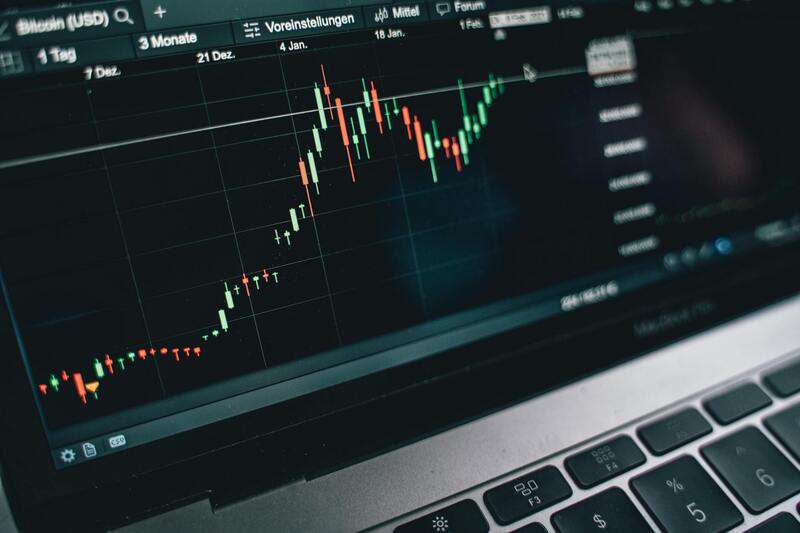
Beyond initial evaluations, aspiring traders benefit from ongoing education, mentorship programs, and simulation exercises designed to replicate real-world trading scenarios. Many firms emphasize continuous learning to adapt to evolving market conditions and refine individual strategies. Success in prop trading is rarely attributed to a single skill but rather a combination of analytical acumen, disciplined approach, and psychological resilience.
Building a Strong Profile for Entry into Prop Trading
- Demonstrated trading experience, either through personal accounts or simulation platforms
- Proficiency in technical analysis, charting, and risk management techniques
- Understanding of trading software and platforms commonly used in the industry
- Good communication skills, especially in reporting trades and strategies clearly
- Ability to work independently and monitor multiple assets simultaneously
Gaining proficiency in these areas enhances a candidate’s appeal to prop trading firms and increases the likelihood of securing an opportunity to participate in their proprietary programs.
Understanding the Trading Environment and Best Practices in Prop Trading
Approaching Prop Trading with a Strategic Mindset
Successful proprietary trading hinges on a strategic discipline rooted in comprehensive market analysis, rigorous risk management, and disciplined execution of trades. Traders must develop a deep understanding of market signals, indicators, and macroeconomic factors that influence asset prices. Implementing effective trading plans involves setting clear entry and exit points, defining stop-loss and take-profit levels, and adhering to these parameters without succumbing to emotional impulses. This disciplined approach helps mitigate losses and capitalize on high-probability opportunities, which is vital in the fast-paced realm of prop trading.

Utilizing Cutting-Edge Technology and Tools
Modern prop traders leverage advanced trading platforms integrated with analytical tools, algorithmic models, and real-time data feeds. These technological assets facilitate quicker decision-making and enable traders to execute complex strategies with precision. Utilizing features like automated order execution, real-time alerts, and data visualization tools enhances efficiency and consistency. Moreover, staying updated with technological innovations ensures traders can adapt strategies to evolving market conditions, thereby maintaining a competitive edge.

Ongoing Education and Skill Development
Prop trading is characterized by continuous learning and skill refinement. Engaging with educational resources such as webinars, workshops, trading courses, and mentorship programs helps traders stay abreast of market developments and refine their technical and fundamental analysis. Analyzing past trades, understanding mistakes, and adjusting strategies contribute to sustained growth. Developing emotional resilience through psychological training is equally important in handling the high-stakes nature of proprietary trading.
Maintaining Ethical Standards and Professional Conduct
Adherence to ethical trading practices is fundamental to fostering trust and reliability within the proprietary trading community. Transparent reporting of trades, responsible risk-taking, and compliance with regulatory standards ensure smooth operations and longevity in the industry. Developing a reputation for integrity attracts collaboration opportunities and enhances career prospects within prop trading firms.
Adapting to Industry Trends and Future Developments
The proprietary trading landscape continually evolves, driven by technological innovations, data analytics, and changing market dynamics. Embracing these advances — such as artificial intelligence, machine learning models, and big data analysis — enables traders to identify new opportunities and improve prediction accuracy. Monitoring industry trends, regulatory shifts, and technological progressions is crucial for maintaining a competitive advantage. Traders who adapt proactively will be well-positioned to thrive in the shifting environment of prop trading, opening pathways for sustained profitability and growth.
