



Definition and Fundamentals of Prop Trading
Proprietary trading, often abbreviated as prop trading, refers to the practice where financial institutions, such as specialized trading firms, utilize their own capital to execute trades across various financial markets. Unlike traditional investment or client-led trading activities, prop trading involves a firm taking on the full risk and potential reward of each trade, with the primary goal of generating profit directly for the company.
Fundamentally, prop trading firms seek to leverage their expertise, technological infrastructure, and market insights to capitalize on short-term market movements. These firms typically implement sophisticated trading strategies, often employing advanced algorithms and quantitative models, to identify and exploit market inefficiencies. This approach allows them to maintain a proactive and flexible trading stance that can adapt quickly to changing market conditions.
Proprietary trading means a firm trades using its own capital — not client funds. This gives firms complete control over their risk, strategy, and profit allocation, distinguishing them fundamentally from brokerages or asset managers.
The core principle of prop trading is the alignment of the firm's interests with its trading activities. Unlike asset management that focuses on client funds, prop trading firms operate using their own resources, allowing for greater autonomy, faster decision-making, and the ability to pursue a diverse set of trading strategies. This setup enables firms to maintain tight control over their risk management protocols and adapt their trading approaches based on real-time market data.
Prop trading differs significantly from other trading forms such as brokerage or asset management. In brokerage services, the focus is on executing trades on behalf of clients, earning commissions and fees, rather than trading with one's own capital. Asset managers, on the other hand, manage funds on behalf of clients, aiming for long-term growth rather than immediate profit from market fluctuations.
Prop trading firms are characterized by their focus on short-term profitability, rapid trading cycles, and extensive use of risk management tools to mitigate potential losses. Proprietary trading demands a unique set of skills, including in-depth market knowledge, advanced analytical capabilities, and technological expertise. Traders within prop firms are often highly specialized, focusing on specific markets or asset classes, such as equities, commodities, derivatives, or foreign exchange.
Proprietary trading aligns the firm's interests directly with its trading activities — creating an environment where expertise, speed, and risk discipline are the primary competitive advantages.
— Prop Trading Industry PrincipleStructure and Business Model of Prop Trading Firms
Proprietary trading firms operate with distinct organizational and financial frameworks designed to maximize short-term profitability while maintaining robust risk controls. These firms typically structure their operations around centralized trading desks staffed by highly skilled traders who specialize in specific asset classes.
The core of the business model revolves around deploying the firm's own capital to identify and capitalize on market inefficiencies, rather than managing client funds or commissions. Funding sources for prop trading firms come primarily from internal capital allocations or external investments aimed at expanding trading capabilities.
Many prop firms implement profit-sharing arrangements, typically offering traders 70-90% of profits. This aligns trader incentives with firm objectives — the better a trader performs, the more both parties earn. Top firms like FTMO, MyForexFunds, and The Funded Trader offer splits as high as 90%.
Revenue generation within these firms predominantly stems from the profits earned on successful trades. Since trading is performed with proprietary capital, the firm retains all gains after expenses and risk provisions. Some firms implement profit sharing models, incentivizing traders with performance-based bonuses aligned with overall profitability. This model directly aligns traders' goals with the firm's financial objectives, fostering a highly competitive trading environment.
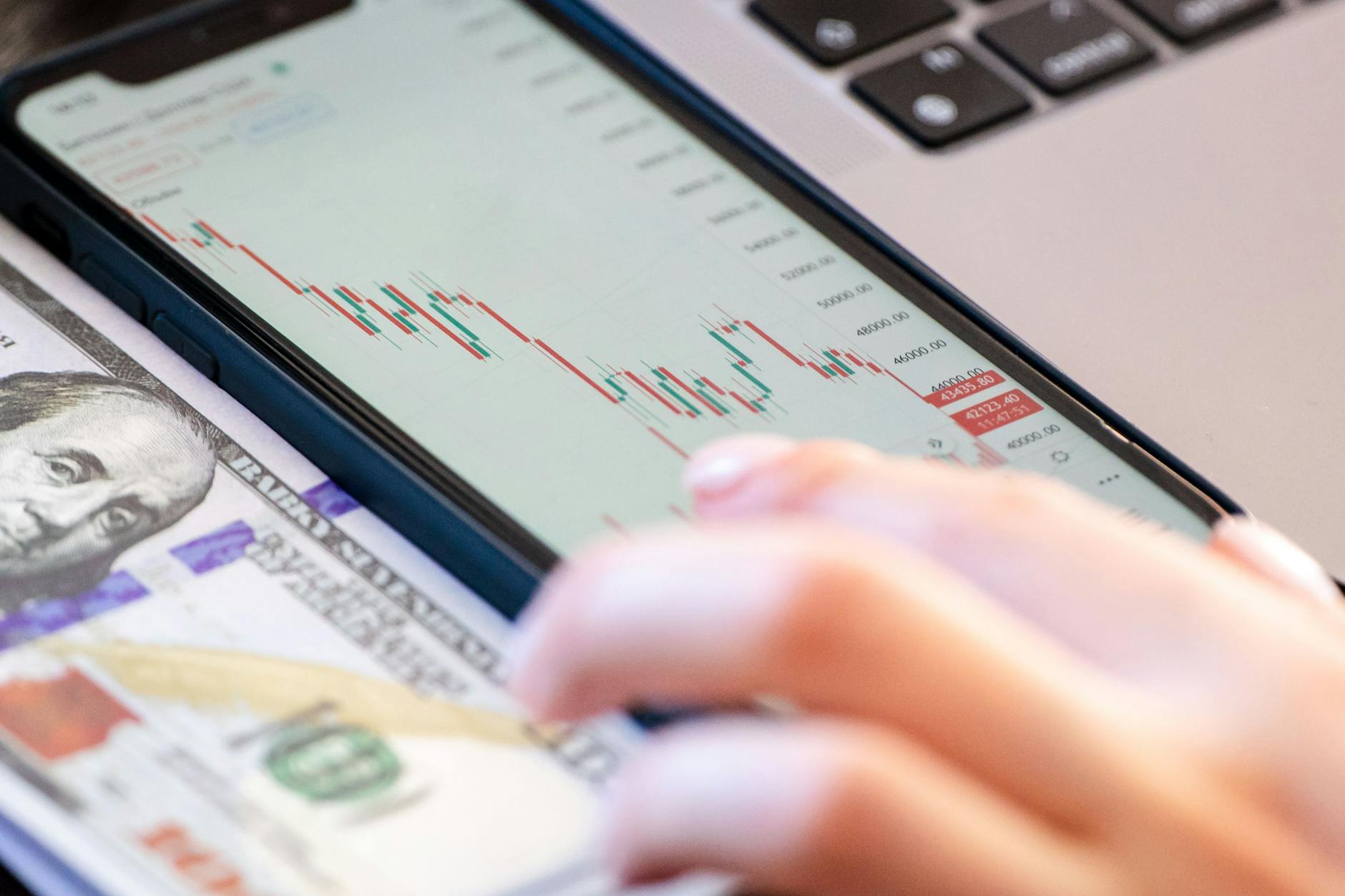
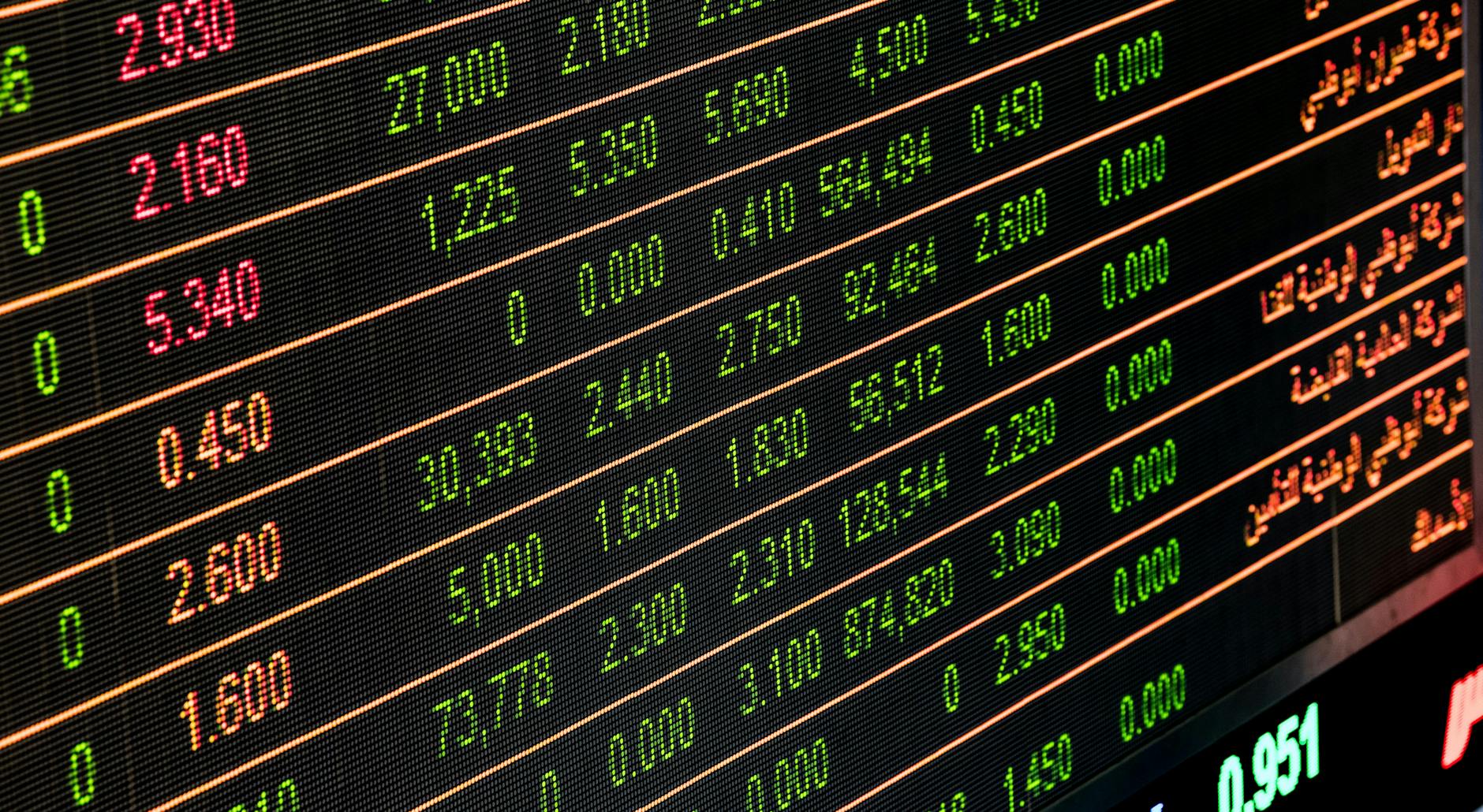
The modern prop trading floor combines human expertise with sophisticated technological systems for optimal execution.
The operational structure typically includes risk management departments, technological support teams, and compliance units. Risk managers continuously monitor exposure levels, ensure adherence to trading limits, and execute hedging strategies to protect the firm's capital. Advanced technological infrastructure — including high-frequency trading systems, trading algorithms, and real-time data analytics — underpin the firm's ability to execute rapid and precise trades, capitalizing on fleeting market opportunities.
| Trading Model | Capital Source | Risk Bearer | Profit Model | Regulation |
|---|---|---|---|---|
| Prop Trading Firm | Own capital | The firm | Direct trading profits | Varies |
| Brokerage | Client capital | Client | Commissions & spreads | Heavily Regulated |
| Hedge Fund | Investor capital | Investor | Management + performance fees | Heavily Regulated |
| Retail Trader | Personal capital | Trader | Market returns | Minimal |
| Funded Account Program | Firm capital (after evaluation) | Firm (limited) | Profit split 70-90% | Emerging |
Common Trading Strategies Used in Prop Trading
Prop trading firms employ a wide array of trading techniques tailored to their specific market niches and technological capabilities. The selection of strategies often reflects an emphasis on speed, precision, and data-driven decision-making, allowing traders to exploit short-term market movements efficiently.

Market Making
Involves providing liquidity to markets by continuously quoting buy and sell prices, profiting from the bid-ask spread. This strategy requires sophisticated algorithms and rapid order execution. Market makers play a crucial role in ensuring smooth market operations and are often compensated with exchange rebates in addition to the spread.
Arbitrage
Exploiting price discrepancies between related assets or markets. Arbitrage strategies demand real-time data analysis and swift trade execution to capitalize on small price differentials before they disappear. Statistical arbitrage, pairs trading, and triangular arbitrage are popular variations used by modern prop firms.
Momentum Trading
Based on identifying and riding sustained trends in asset prices. Momentum traders leverage technical indicators to time their entries and exits. The strategy works on the principle that assets that have been rising tend to continue rising, at least in the short term.
Statistical and Quantitative Trading
Utilizes mathematical models and complex algorithms to identify trading opportunities. Quant firms often employ extensive backtesting to optimize their models in various market conditions. This approach requires deep expertise in statistics, programming, and financial modeling.
Event-Driven Strategies
Focus on exploiting short-term reactions to news, earnings reports, or economic data releases. These strategies require quick analysis and fast execution to profit from the initial market reaction before prices settle.
High-frequency and momentum strategies carry significant risk. Even sophisticated algorithms can fail during market dislocations, flash crashes, or periods of extreme volatility. Always test strategies extensively in simulated environments before live deployment.
The most successful prop traders combine multiple strategy types — using quantitative models to identify opportunities while maintaining the psychological discipline to execute them consistently under pressure.
— Market Structure AnalysisOfficial Methods for Entering Prop Trading
Engaging in proprietary trading through verified channels involves a series of well-established steps that provide a clear and professional pathway into the industry. These pathways include joining reputable prop trading firms, participating in official trading programs, and obtaining industry-recognized trading credentials.
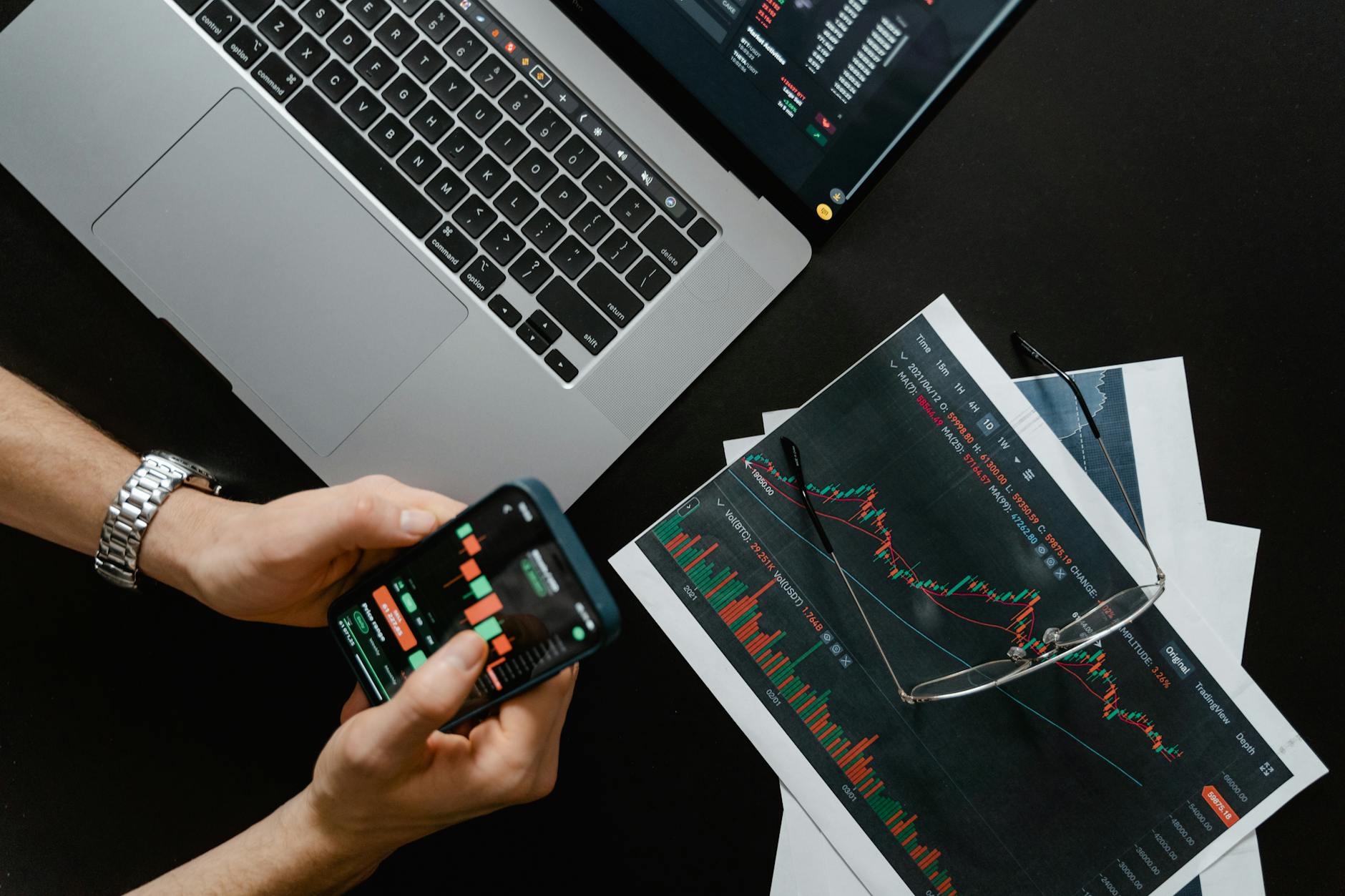
Modern prop trading relies heavily on algorithmic systems and data-driven decision making for consistent performance.
Application and Vetting Process
Prospective traders typically start by submitting applications to established proprietary trading firms. These firms often conduct comprehensive evaluations that include assessment of trading experience, understanding of markets, and risk management capabilities. Demonstrations of previous trading track records, certifications, or relevant financial qualifications can enhance candidacy.
Assessment and Training Programs
Selected candidates generally undergo structured training programs designed to align their trading behavior with the firm's risk parameters and operational standards. These programs emphasize responsible trading practices, analytical skills, and familiarity with the firm's trading systems and technology.
Official Trading Accounts and Capital Allocation
Once accepted, traders are provided with official accounts managed by the firm. These accounts operate within established guidelines, and traders execute trades using the firm's capital or a combination of their capital and firm capital, depending on the firm's policy.
Most modern prop firms use a two-phase evaluation process: Phase 1 requires hitting a profit target (e.g., 8%) within a drawdown limit, and Phase 2 verifies consistency. Only traders who pass both phases receive funded accounts. This model has revolutionized access to institutional-level capital for retail traders.
Compliance and Ongoing Evaluation
Regular performance evaluations and adherence to strict compliance standards are integral to maintaining a professional status in prop trading. Firms enforce risk limits, trading protocols, and reporting requirements to maintain integrity and operational stability.
Effective Risk Management Techniques
Risk management remains at the core of successful proprietary trading operations. Traders and firms employ a variety of strategies designed to protect capital while maximizing potential returns. Central to these strategies is the implementation of robust risk controls that set clear parameters for trade entries and exits, ensuring exposure remains within acceptable boundaries.
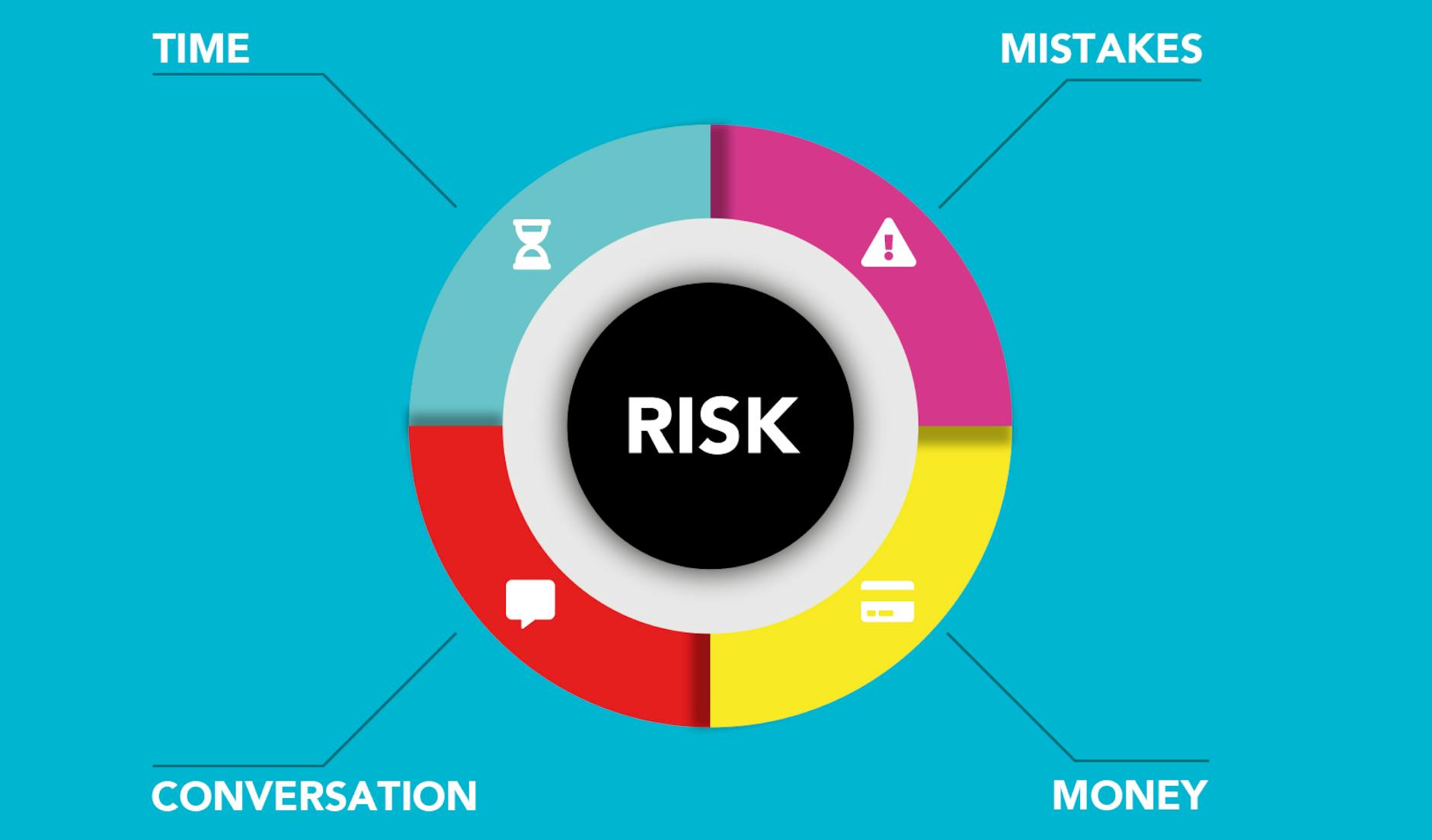
By establishing predefined loss limits, traders can prevent emotional decision-making from escalating losses beyond tolerable levels. Position sizing is another critical aspect, involving the calculation of trade volumes based on a percentage of the trading capital. This approach helps to diversify risk and reduces the impact of a single poor-performing trade on the overall portfolio.
In addition to these core techniques, traders utilize stop-loss orders diligently to limit downside risk. These orders automatically close positions when specified price levels are reached, safeguarding capital against adverse market moves. Trailing stops further refine this approach by adjusting stop levels as the trade moves favorably, locking in gains while maintaining downside protection.
Advanced risk management also involves scenario analysis and stress testing, which simulate various market conditions to evaluate potential impacts on trading portfolios. This process allows traders and firms to develop contingency plans and better understand exposure to economic shifts, geopolitical events, or sudden market volatility.
Quantitative risk models are frequently employed to monitor and measure risk dynamically. These models incorporate statistical calculations, such as Value at Risk (VaR) and Expected Shortfall, to quantify potential losses under normal and stressed conditions. Consistent review and adjustment of risk parameters ensure strategies stay aligned with evolving market environments and regulatory standards.
Professional risk management is not about avoiding losses — it's about ensuring that losses remain controlled, recoverable, and never catastrophic. Every successful prop trader treats risk limits as sacred rules, never exceptions.
— Risk Management Best PracticeTechnology and Infrastructure in Prop Trading
Successful proprietary trading heavily depends on robust technological infrastructure. Traders rely on advanced trading platforms that facilitate rapid order execution, comprehensive market analysis, and real-time monitoring of positions. These platforms must be highly reliable, with low latency to capitalize on fleeting market opportunities.
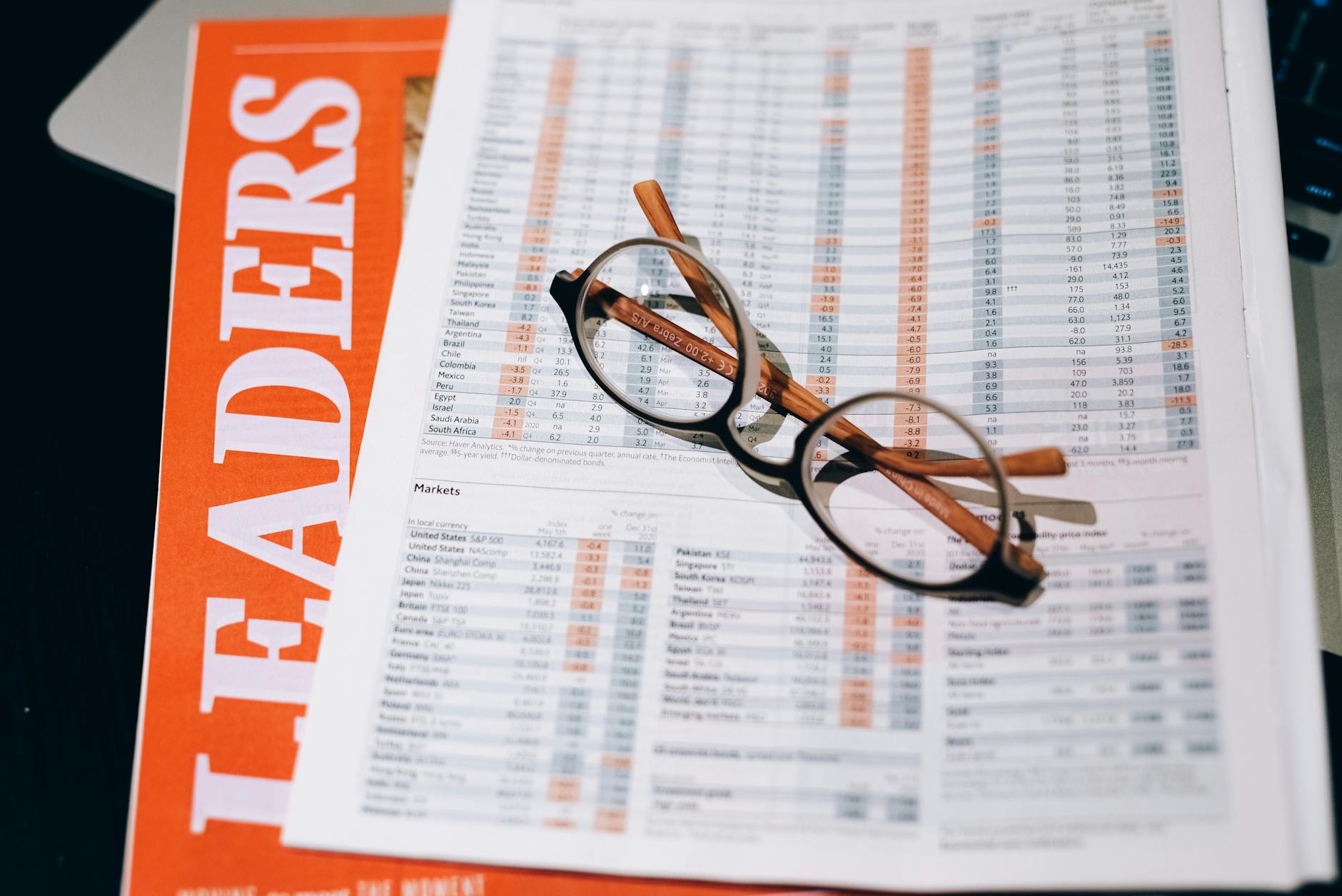
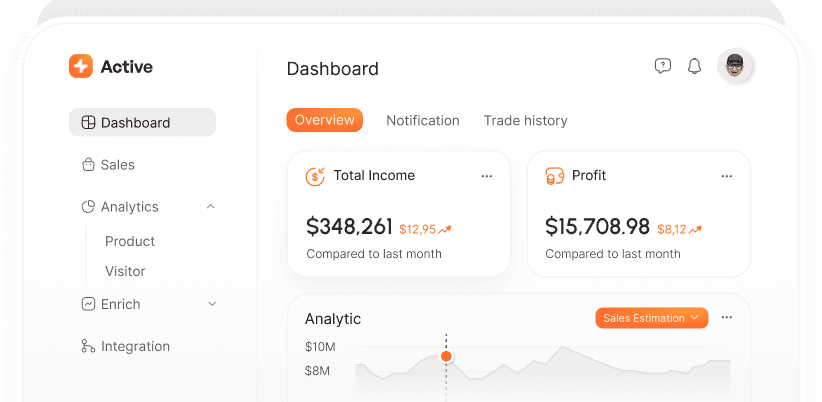
Advanced analytics dashboards enable prop traders to monitor multiple market conditions and risk metrics simultaneously.
High-quality data feeds are crucial, providing accurate and timely market data necessary for informed decision-making. These feeds encompass multiple asset classes, including equities, forex, commodities, and derivatives, enabling traders to diversify strategies and react swiftly to global market shifts. Integration of these data streams into trading software enhances the ability to identify patterns, execute strategies automatically, and adjust positions based on live market conditions.
Leading prop firms co-locate servers at exchange data centers to reduce latency to microseconds. They invest millions in custom-built trading infrastructure, proprietary APIs, and direct market access — infrastructure that gives them a measurable edge over retail traders who rely on standard platforms.
Additionally, technological resilience is a core component. Firms invest in redundant servers, secure data centers, and backup systems to ensure uninterrupted trading activity. Cybersecurity measures are rigorously implemented to prevent breaches and protect sensitive trading data.
Technological innovation continues to drive prop trading forward. Machine learning models analyze historical data to generate predictive insights, while cloud computing solutions enable scalable resource allocation, accommodating the expanding volume of data and complexity of trading algorithms. As these technologies evolve, traders gain an edge through better analytical capabilities and faster execution times.
Qualifications and Skills for Proprietary Traders
Proprietary trading firms seek talented individuals who possess a strong blend of technical, analytical, and psychological skills. These skills ensure that traders can navigate complex market environments and execute strategies effectively while managing inherent risks.

A solid educational background in finance, economics, mathematics, or related fields serves as a foundation, but continuous skill development is equally critical in this dynamic sector. Key technical skills include proficiency in quantitative analysis, programming languages such as Python or R, and familiarity with trading platforms and financial modeling.
Beyond technical expertise, psychological resilience and discipline are paramount. Prop trading involves significant pressure, high-stakes decision-making, and the potential for substantial financial gains or losses. Successful traders maintain emotional stability, adhere strictly to risk management protocols, and avoid impulsive actions that could jeopardize their positions.
- Analytical Thinking: The ability to interpret large datasets, identify patterns, and develop predictive models.
- Risk Management: A disciplined approach to setting stop-loss limits, position sizing, and portfolio diversification.
- Adaptability: The capacity to adjust strategies based on changing market conditions and new information.
- Technical Proficiency: Comfort with trading software, real-time data analysis, and algorithm development.
- Attention to Detail: Precision in monitoring trades and ensuring compliance with firm policies.
- Emotional Discipline: The ability to follow a trading plan without letting fear or greed override rational decision-making.
Industry-recognized certifications that boost prop trader credibility: CMT (Chartered Market Technician) for technical analysis, FRM (Financial Risk Manager) for risk expertise, and CFA (Chartered Financial Analyst) for broad financial knowledge. These credentials demonstrate commitment and open doors at top-tier prop firms.
Many firms prefer candidates who demonstrate a track record of consistent profitability, often backed by a verified trading history or simulated trading performance. Participation in proprietary trading competitions, trading labs, or simulation accounts can provide valuable experience and showcase capability.
Building a Credible Profile as a Prop Trader
Developing an official and credible reputation involves accumulating verifiable trading performance and maintaining transparency with your trading history. Many traders first test their strategies through proprietary trading competitions or paper trading accounts, which help showcase consistency and discipline without risking actual capital.
Successfully managing simulated portfolios demonstrates strong decision-making abilities and risk assessment skills, which are highly valued by established firms. Additionally, acquiring professional designations such as the Chartered Market Technician (CMT) or Financial Risk Manager (FRM) can bolster credibility.
The path to becoming a funded prop trader is not about luck — it's about demonstrating consistent risk-adjusted returns over time. Firms want to see that you can protect capital first, then grow it.
— Industry InsightAdhering to Regulatory Frameworks
While working within official channels, traders should rigorously adhere to industry standards and regulatory guidelines. This involves understanding the policies of the trading platform or firm, including compliance-related protocols, reporting requirements, and operational procedures. Maintaining meticulous records of all trades, adhering to risk limits, and ensuring transparency in trading activities foster trust and uphold the integrity of proprietary operations.
Leveraging Technology for Effective Trading
Investment in reliable trading infrastructure is essential for success in official prop trading endeavors. This includes access to high-speed data feeds, advanced trading software, and robust risk management systems. Traders must be familiar with trading platforms and analytical tools that facilitate rapid decision-making and real-time market analysis.
Many firms utilize proprietary algorithms and trading systems that are developed in collaboration with skilled programmers. These systems can execute trades efficiently, optimize entry and exit points, and monitor market conditions continuously. Familiarity with programming languages such as Python or R can offer additional advantages.
- Proprietary trading involves firms using their own capital to trade financial markets — not client funds — keeping all profits but bearing all risk.
- Prop firms deploy a range of strategies including market making, statistical arbitrage, momentum trading, and event-driven approaches to capture market inefficiencies.
- Modern funded account programs allow retail traders to access institutional capital after passing structured evaluation challenges, typically with 70-90% profit splits.
- Robust risk management — including position sizing, stop-loss discipline, drawdown limits, and VaR modeling — is the cornerstone of sustainable prop trading operations.
- Advanced technology infrastructure (low-latency platforms, co-location, real-time data feeds, ML models) provides the critical competitive edge in today's markets.
- Successful prop traders combine technical skills (quantitative analysis, programming) with psychological resilience and strict adherence to risk protocols.
- Entering the industry through recognized pathways — evaluation programs, certifications (CMT, FRM), reputable firms — builds credibility and long-term career sustainability.
Conclusion
Securing a position within legitimate prop trading operations involves adhering to industry standards, developing a solid trading record, and utilizing advanced technology. By focusing on skill development, compliance, and continuous learning, aspiring traders can forge a sustainable career path in the competitive world of proprietary trading.
The emphasis remains on professionalism, transparency, and proficiency, ensuring that trading activities align with established norms of the industry. The prop trading landscape continues to evolve rapidly, with funded account programs democratizing access to institutional capital and technology lowering barriers to sophisticated strategy execution.
Whether you are exploring prop trading as a career path, seeking to understand how firms operate, or researching the best evaluation programs, the fundamentals remain consistent: master your craft, manage risk rigorously, and approach every trade with the discipline of a professional. The firms that thrive — and the traders they fund — are those that never compromise on these core principles.
