
Understanding What Is A Prop Trading Firm And How It Operates
What is a Prop Trading Firm?

A proprietary trading firm, commonly known as a prop trading firm, is a financial organization that invests its own capital in various trading activities within financial markets. Unlike traditional investment firms or brokerage services that act on behalf of clients, prop trading firms focus solely on their own resources to generate profits. Their primary goal is to utilize sophisticated trading strategies, expertise, and technology to buy and sell a wide spectrum of assets such as stocks, futures, options, currencies, and derivatives—all with the intention of earning substantial returns based on market movements.
These firms operate on the principle of risk-taking with the aim of capitalizing on market inefficiencies, price fluctuations, and trends. The profits of a prop trading firm come from successful trades executed using its own funds, making it a distinctive entity in the financial ecosystem. Traders employed by these firms often have access to advanced tools, research reports, and capital larger than individual investors, allowing for aggressive and calculated trading tactics that can lead to significant gains.

At its core, a prop trading firm’s purpose is to leverage market knowledge, innovative algorithms, and financial technology to profit from market fluctuations. These firms typically operate in highly competitive environments, deploying both human traders and automated systems to identify profitable opportunities across global markets. By trading with their own capital, they avoid conflicts of interest that might arise from managing external client funds, which positions them as independent market participants with a priority on maximizing their profitability.
How Prop Trading Firms Differ from Other Financial Institutions
Prop trading firms stand apart from other entities within the financial landscape primarily due to their source of capital, operational objectives, and trading strategies. Unlike traditional financial institutions such as banks or asset management firms, which primarily manage client assets and generate revenue through fees or interest, prop trading firms operate solely on their own capital. This fundamental distinction allows them to pursue more aggressive trading tactics without the constraints typically associated with client-focused operations.
In terms of objectives, proprietary trading firms prioritize capital appreciation through strategic trading decisions, often aiming for rapid and high-yield returns. They are more responsive to market movements and employ sophisticated algorithms alongside experienced traders to exploit fleeting opportunities. Conversely, banks, for example, tend to focus on lending, deposit-taking, and stabilizing the financial system, with trading activities often serving as supplementary or risk management functions rather than profit centers.
Another notable difference lies in the operational environment. Prop trading firms are characterized by an emphasis on innovation, technology, and risk-taking capabilities. They deploy advanced quantitative tools, high-frequency trading systems, and data analytics to identify detectable patterns and market inefficiencies. Meanwhile, traditional financial institutions execute a broader set of financial services, including retail banking, corporate finance, and investment banking, with trading being just one aspect of their overall operations.
Distinct Business Models and Approaches
These entities employ diverse business models based on their specific strategies and market focus. For instance, some prop trading firms specialize in high-frequency trading (HFT), executing thousands of trades per second to profit from minor price fluctuations, while others might adopt longer-term swing or quantitative trading approaches. The independence from client fund management grants these firms the flexibility to rapidly adjust trading algorithms, explore new markets, and accept higher levels of risk in pursuit of superior returns.
Furthermore, regulatory environments often differ significantly. Prop trading firms typically operate under specific rules that govern market practices but are not bound by the same fiduciary responsibilities as investment managers who must prioritize client interests. This operational independence also fosters a culture of innovation and agility, allowing these firms to adapt quickly to changes within global financial markets.
Finally, the focus on self-generated profits rather than client assets means that the success of a prop trading firm hinges directly on its trading performance and technological edge. This creates a highly competitive environment where continuous improvement, data analysis, and strategic risk management are essential for sustained profitability.
Key Roles and Functions of Prop Trading Firms
Proprietary trading firms play a vital role in the financial markets by focusing on direct trading activities aimed at maximizing profitability through strategic market positions. Their core functions revolve around sophisticated trading strategies, comprehensive risk management protocols, and relentless pursuit of profit generation. These firms leverage cutting-edge technology, advanced algorithms, and deep market insights to identify profitable trading opportunities across diverse asset classes.
One of the primary functions of prop trading firms is the development and execution of trading strategies that are tailored to exploit specific market inefficiencies. These strategies may include algorithmic trading, arbitrage, market making, or trend following, all designed to capitalize on short-term price movements or long-term market trends. The agility of these firms enables them to adapt swiftly to changing market conditions, ensuring they stay competitive and profitable.

Risk management remains a cornerstone of operations, as proprietary trading involves significant exposure to market volatility. Firms employ rigorous risk controls, position sizing rules, and stop-loss mechanisms to mitigate potential losses and protect their capital. Continuous monitoring and adjustment of risk parameters are essential to ensure alignment with market dynamics and firm objectives.
Profit generation is inherently linked to the firm's ability to execute trades efficiently and manage risk effectively. This requires a combination of technical expertise, strategic market insights, and disciplined trading processes. Many firms also invest heavily in research and technology, aiming to optimize trading algorithms and develop innovative techniques for staying ahead in competitive environments.
Types of Trading Strategies Used by Prop Firms
Prop trading firms utilize a spectrum of trading strategies tailored to their specific operational models and market objectives. These include:
- High-Frequency Trading (HFT): Leveraging ultra-fast algorithms to execute large volumes of trades within fractions of a second, capturing tiny price discrepancies and margins.
- Market Making: Providing liquidity by quoting both buy and sell prices, earning spreads and facilitating smoother market functioning.
- Statistical Arbitrage: Exploiting temporary mispricings between related assets based on statistical models and historical data.
- Momentum Trading: Riding existing market trends, buying during upward movements and selling during downturns.
- Quantitative Trading: Utilizing mathematical models and big data to identify trading opportunities that are not easily visible through traditional analysis.

How Prop Trading Firms Operate and Generate Revenue
Proprietary trading firms operate by deploying capital into various financial markets, executing trades based on proprietary models and market insights. Revenue generation hinges on the firm's ability to develop profitable strategies and implement disciplined trading procedures consistently. Unlike banks or asset managers that handle client funds, prop firms only rely on their own capital, meaning their profitability directly correlates with their trading performance.
Trade execution efficiency, technological edge, and risk discipline collectively determine profitability. Many firms employ a combination of in-house developed algorithms and quantitative research teams to maintain an innovative edge. Furthermore, firms often reinvest profits into further research, technology upgrades, and talent acquisition, creating a cycle of continuous improvement.
By maintaining a lean operational structure and focusing on high-probability trades, prop trading firms can operate with significant leverage, amplifying potential gains. However, this also requires robust risk management to prevent substantial losses. Successful firms often operate in multiple markets simultaneously, taking advantage of the interconnectedness of global financial systems.
Qualifications and Requirements to Join a Prop Trading Firm
Entry into a proprietary trading firm typically demands a combination of strong analytical skills, market understanding, and a proven track record in trading or related fields. Many firms prefer candidates with backgrounds in finance, economics, mathematics, or computer science. Demonstrating consistency in trading performance, a deep understanding of market mechanics, and familiarity with trading platforms can significantly enhance prospects.
Some firms implement rigorous testing or simulation phases during the onboarding process to assess candidates' aptitude for trading strategies and risk management. A demonstrated ability to develop or adapt trading algorithms can be a key differentiator. Additionally, a keen grasp of financial markets, discipline in executing trading plans, and resilience under pressure are critical qualities for success in this competitive environment.
Risks, Challenges, and Regulations Facing Prop Trading Firms
Despite the potential profitability, prop trading exposes firms to substantial risks such as market volatility, technological failures, and human errors. Rapid market movements can lead to swift losses if risk controls are not meticulously maintained. As such, continuous risk assessment, technological resilience, and robust compliance protocols are vital for operational stability.
Regulatory requirements and compliance standards also influence prop trading operations, necessitating adherence to market rules, reporting obligations, and internal controls. Firms must stay informed about regulatory developments and adopt practices that align with evolving standards to ensure smooth operation and avoid penalties. Moreover, the competitive landscape demands constant innovation and technological upgrades to sustain an edge over rivals, making adaptability and forward planning essential attributes for long-term success.
How Prop Trading Firms Operate and Generate Revenue
Proprietary trading firms operate by utilizing their own capital to engage in financial markets, seeking to generate profits through various trading strategies. Unlike traditional trading organizations that execute client-driven trades or manage investment portfolios for external clients, prop trading firms focus solely on trading their own funds. This approach allows them to leverage in-house expertise, technology, and capital to capitalize on market opportunities.
Revenue streams for prop trading firms are primarily derived from trading profits. Traders within these firms are usually incentivized through performance-based compensation structures, such as profit sharing or bonuses, which align their interests with the firm's overall success. This incentivization fosters a competitive environment geared toward achieving high returns while maintaining disciplined risk management practices.
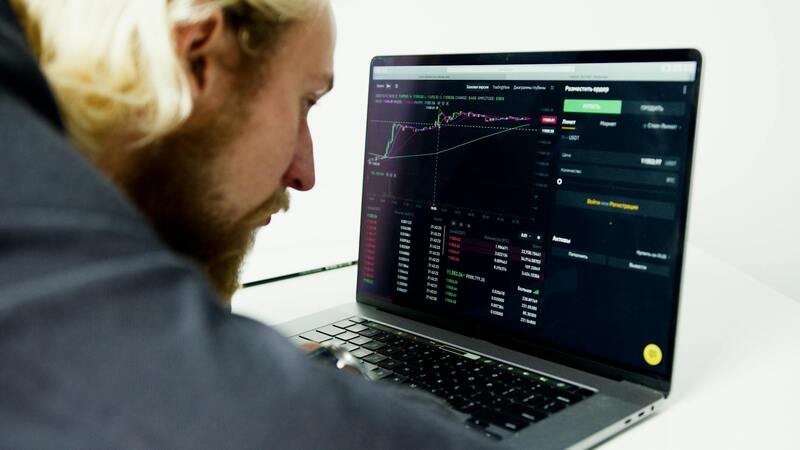
Prop trading firms often employ sophisticated trading systems, including algorithmic, high-frequency, and quantitative models. These systems enable traders to execute large volumes of trades at high speed, exploiting minute market inefficiencies that may not be accessible through manual trading. The use of advanced software and data analytics enhances decision-making and allows for precise risk control, crucial in maintaining profitability amid volatile market conditions.
Risk management is a vital aspect of a prop trading firm's operations. Firms implement strict protocols to monitor exposure, set position limits, and utilize hedging techniques to mitigate potential losses. Technological resilience, such as real-time monitoring and automated stop-loss orders, helps safeguard capital against sudden market swings or operational failures.
Additionally, continuous research and development are integral to maintaining a competitive edge. Prop firms invest heavily in technology upgrades, data acquisition, and strategy refinement. This constant innovation allows firms to adapt swiftly to changing market dynamics and regulatory landscapes, ensuring sustained performance over time.
Operational efficiency and thorough compliance protocols further support a firm's revenue generation. Firms need to adhere to internal risk policies and market regulations, which often mandate rigorous trade reporting and transparency. Maintaining these standards not only helps avoid operational issues but also builds trust with stakeholders and preserves the firm's reputation.
Overall, the profitability of a prop trading firm hinges on a combination of skilled traders, robust technological infrastructure, disciplined risk controls, and strategic innovation. By continuously refining their approach and leveraging their capital effectively, these firms aim to deliver consistent gains in an intensely competitive financial environment.
What is a Prop Trading Firm?
A proprietary trading firm, often referred to as a prop trading firm, is a financial organization that uses its own capital to engage in trading activities across various asset classes, including stocks, options, futures, currencies, and commodities. Unlike traditional investment firms or brokerages, which typically act on behalf of clients or earn commissions on trades, prop trading firms focus on generating profits through their own trading strategies. These firms employ skilled traders, quantitative analysts, and technology specialists to identify and capitalize on market inefficiencies, price anomalies, and emerging trading opportunities.

How Prop Trading Firms Differ from Other Financial Institutions
While traditional investment firms primarily manage client assets and earn management or performance fees, prop trading companies operate predominantly with their own financial resources. This distinction creates a different set of operational dynamics, risk profiles, and strategic objectives.
- Capital Deployment: Prop firms allocate their own capital directly into markets, avoiding reliance on external investors or clients.
- Trading Strategies: They typically employ high-frequency trading, arbitrage, statistical, and algorithmic strategies to maximize returns.
- Profit Retention: All profits generated from trading activities go directly to the firm, with traders often earning a significant share of the gains as incentives.
- Risk Management: Since trading involves substantial risk, these firms implement rigorous risk controls to safeguard their capital and ensure sustainable operations.
Key Roles and Functions of Prop Trading Firms
Prop trading firms are structured around several core functions essential for operational success:
- Traders: They execute trades based on proprietary strategies, often supported by sophisticated algorithms and real-time data analysis.
- Quantitative Analysts: These specialists develop mathematical models and trading algorithms that identify potential profitable opportunities.
- Risk Managers: Responsible for monitoring exposures, setting limits, and implementing hedging techniques to control potential losses.
- Technology and Data Teams: Ensure robust infrastructure, high-speed trading platforms, and access to market data critical for timely decision-making.
- Compliance Officers: Maintain adherence to trading regulations, internal policies, and market standards, crucial for operational integrity.
Types of Trading Strategies Used by Prop Firms
Prop trading firms deploy a diverse array of strategies tailored to maximize profitability and mitigate risks. These include:

- High-Frequency Trading (HFT): Leverages ultra-fast algorithms and infrastructure to execute large volumes of trades within fractions of a second, capitalizing on tiny price movements.
- Market Making: Involves providing liquidity by placing buy and sell orders around the current market price, profiting from the bid-ask spread.
- Statistical Arbitrage: Uses mathematical models to identify and exploit price disparities between related assets or markets.
- Trend Following: Based on technical analysis, traders aim to capitalize on sustained directional movements in asset prices.
- Event-Driven Strategies: Focus on trading around major market events like earnings releases or economic reports, which can cause significant price volatility.
Balancing Innovation and Discipline in Strategy Development
Prop firms continuously evolve their trading approaches, blending cutting-edge technological innovations with disciplined risk controls. By integrating machine learning, big data analytics, and real-time market feeds, these firms refine their strategies to stay ahead in competitive markets. At the same time, stringent risk management protocols ensure that potential losses are contained, preserving the firm's capital and reputation. Such practices enable the sustainable growth of trading operations, maintaining profitability amidst fluctuating market conditions.
How Proprietary Trading Firms Operate and Generate Revenue
Proprietary trading firms, commonly known as prop firms, employ a range of operational frameworks designed to maximize trading efficiency and profitability. Their core function revolves around deploying capital to execute trades that aim to exploit market inefficiencies and directional movements, ultimately generating revenue through strategic trades and systematic risk management.
One of the primary methods prop firms use to operate involves maintaining a dedicated team of professional traders who implement pre-defined trading strategies. These strategies often utilize sophisticated algorithms, quantitative models, and technical analysis to identify lucrative trading opportunities across various asset classes, including equities, futures, commodities, and foreign exchange markets.
Prop firms are distinguished by their investment from the firm’s own capital, rather than client funds. This structure allows them to have greater flexibility in trading activities and risk control. As a result, they can execute high-volume trades and employ complex strategies that require significant infrastructure and technological resources.

Revenue generation for prop trading firms primarily hinges on the profitability of their trading activities. These firms often implement a systematic approach to risk management to prevent substantial losses. Profits are typically shared between the firm and individual traders based on a fixed or tiered arrangement, incentivizing traders to optimize their performance while aligning their risk appetite with the firm's objectives.
Technological infrastructure plays a vital role in maximizing revenue potential. Many firms develop proprietary trading platforms equipped with real-time data feeds, algorithmic trading systems, and risk monitoring tools. These platforms allow traders to execute large volumes of trades rapidly and with precision, thereby capitalizing on fleeting market opportunities.
In addition to direct trading profits, some prop firms engage in related activities that support their main trading operations. These can include data analytics, market research, and technological innovation, which further enhance their ability to identify and act on profitable opportunities.
Risk Management and Capital Allocation
Fundamental to the operation of prop trading firms is the implementation of rigorous risk management protocols. These include setting strict trading limits, employing stop-loss orders, and conducting continuous performance reviews. Effective capital allocation strategies enable the firm to optimize risk-return ratios, ensuring sustainability even during periods of high market volatility.
Trading Infrastructure and Environment
Prop firms typically invest heavily in technology infrastructure, such as high-speed trading servers, low-latency networks, and advanced order execution systems. These technological assets are critical in executing trades at optimal speeds and minimizing slippage, especially in high-frequency trading (HFT) environments. Additionally, firms often operate in a highly disciplined environment emphasizing compliance, data security, and operational integrity.

Furthermore, many trading firms emphasize continuous training and development to keep traders aligned with evolving market conditions and technological advancements. This ongoing education ensures traders maintain a competitive edge and adhere to the firm's trading protocols effectively.
Overall, prop trading firms' operational success is driven by their ability to combine innovative trading strategies, advanced technological infrastructure, and disciplined risk management. This synergy allows them to generate consistent revenue streams while managing market and operational risks proficiently.
Understanding the Operational Framework of Prop Trading Firms
Prop trading firms operate within a complex financial ecosystem that requires meticulous management of capital, risk, and technological resources. Their core operational framework is built on a combination of advanced technology, disciplined risk controls, and strategic financial management. By leveraging cutting-edge trading systems, these firms facilitate rapid execution of trades across diverse markets, including equities, commodities, forex, and derivatives.

Central to the operation of a proprietary trading firm is its ability to generate profit through strategic market positions. The firm’s traders implement various proprietary trading strategies, aiming to exploit market inefficiencies, arbitrage opportunities, or momentum trends. These strategies are underpinned by rigorous data analysis, quantitative models, and real-time market intelligence, enabling traders to make informed decisions swiftly.
Technological Infrastructure and Trading Environment
Investment in advanced technological infrastructure is fundamental. High-frequency trading (HFT) and algorithmic trading are common components, requiring ultra-low latency networks, co-location with major exchanges, and powerful data processing units. Such systems allow traders to execute thousands of transactions within fractions of a second, capitalizing on minute price discrepancies that may exist only for milliseconds. Ensuring operational resilience, security, and data integrity is paramount in these environments to prevent costly disruptions or breaches.
Trading Platforms and Tools
- Algorithmic trading systems
- Risk management and compliance monitoring software
- Real-time market data feeds
- Automated order execution protocols
Revenue Generation Models
Prop trading firms generate revenue predominantly through successful trading activities. Profits are accumulated by taking calculated market positions and accurately predicting market movements. The firms often operate under profit-sharing models with traders, incentivizing high performance. Additionally, some firms employ a fee-based approach for providing technology or trading infrastructure to other trading entities, diversifying income streams.
Operational Strategies and Risk Mitigation
While profit opportunities are abundant, managing associated risks remains critical. Prop firms implement rigorous risk controls, such as setting predefined trading limits, stop-loss orders, and ongoing performance evaluations. Capital allocation is carefully calibrated to balance exposure and potential reward, with continuous adjustments based on market conditions and trader performance. Such disciplined risk management strategies help sustain profitability and mitigate potential losses during volatile market phases.
Qualifications and Requirements for Traders
Entry into a prop trading firm is highly selective, with firms seeking candidates possessing strong analytical skills, a profound understanding of financial markets, and proficiency in trading technologies. Typical requirements include:
- Relevant educational background or industry experience in finance or quantitative analysis
- Proven track record of trading success or significant demonstrated aptitude
- Proficiency in programming languages such as Python, C++, or R for algorithm development
- Comfort with real-time decision-making and high-pressure environments
It is also common for firms to require traders to complete intensive training programs, focusing on firm-specific protocols, risk management policies, and technological systems. Maintaining transparency and compliance with operational standards is essential for sustained employment and growth within these environments.
Risks, Challenges, and Regulations Facing Prop Trading Firms
Prop trading firms operate in a dynamic environment filled with inherent risks that require meticulous management. Market volatility, rapid price fluctuations, and unforeseen geopolitical events can significantly impact trading outcomes. To navigate these challenges, firms employ comprehensive risk mitigation strategies that include real-time monitoring, stringent stop-loss mechanisms, and diversification across asset classes. These measures ensure that potential losses are contained and that the firm's capital remains protected during turbulent periods.
Regulatory frameworks also influence the operational landscape of prop trading firms. Although these entities often operate with considerable independence, they must adhere to industry standards concerning transparency, capital requirements, and trading practices. Regulatory bodies may institute policies designed to prevent market manipulation, enforce fair trading, and ensure the financial stability of participants within the industry. Compliance with these regulations is vital for maintaining a firm's reputation and avoiding penalties that could jeopardize its viability.
Moreover, as the industry evolves, firms face the ongoing challenge of adapting to technological innovations that reshape trading methodologies. Advanced algorithms, artificial intelligence, and machine learning models are becoming integral components of proprietary trading strategies. Keeping pace with these technological advancements requires continuous investment in infrastructure, staff training, and security protocols to safeguard sensitive data against cyber threats.
Operational risks extend beyond market and regulatory issues and include technological failures and human errors. System crashes, connectivity issues, or trader mistakes can lead to significant financial setbacks. To safeguard against such risks, firms establish redundant systems, rigorous testing procedures, and comprehensive error mitigation policies. These practices help ensure uninterrupted trading activities and preserve investor confidence.
Emerging Trends and Strategic Opportunities for Prop Trading Firms
In the face of ongoing challenges, prop firms are exploring new strategic avenues to enhance profitability and operational efficiency. The integration of artificial intelligence and big data analytics allows traders to identify market patterns with greater accuracy and execute trades based on predictive insights. This technological shift is redefining the competitive landscape, making data-driven decision-making a cornerstone of modern proprietary trading.
Additionally, the globalization of financial markets creates opportunities to diversify across emerging economies and asset classes. Prop firms are increasingly expanding their presence into international markets, leveraging local expertise and adjusting strategies to suit regional trading conditions. This geographic diversification helps mitigate risks associated with market-specific shocks and enhances potential revenue streams.
Another area of growth involves specialized trading approaches, such as quantitative trading, options and derivatives trading, and high-frequency trading. These strategies rely heavily on sophisticated technology and data analysis. By harnessing these methods, firms can capitalize on short-lived market inefficiencies and generate substantial returns within fractions of a second.
As regulatory and operational environments become more complex, partnerships with technology providers, data aggregators, and analytics firms are increasingly vital. These collaborations enable prop trading firms to access cutting-edge tools and insights, maintaining a competitive edge in an evolving industry landscape.
