
What Is A Prop Trading Firm: An Overview Of Proprietary Trading Companies
What Is a Prop Trading Firm?
Proprietary trading firms, commonly known as prop trading firms, are specialized companies that engage in the buying and selling of financial instruments using their own capital. These firms serve as vital players within financial markets by providing liquidity, facilitating price discovery, and sometimes taking on higher risk positions that traditional financial institutions might avoid. The core purpose of a prop trading firm is to generate profits through strategic trading activities, leveraging advanced technology, market insights, and specialized expertise.
Unlike investment firms that manage client funds or banks that focus on lending and deposit activities, prop trading firms prioritize their own financial resources to maximize gains. This approach allows for more flexible trading strategies, quicker decision-making, and the pursuit of diverse trading opportunities across various asset classes, including equities, options, futures, and foreign exchange markets.
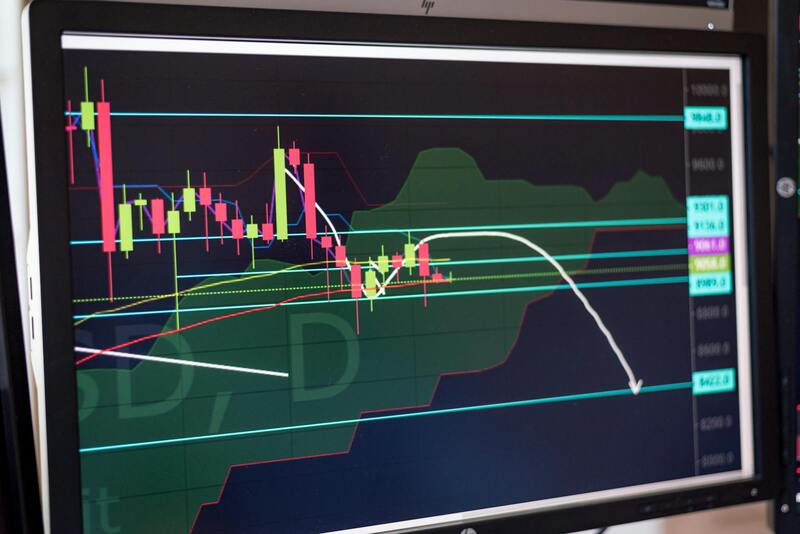
Main Functions and Roles
- Market Liquidity Provision: Prop trading firms often act as market makers, providing buy and sell quotes that help stabilize market prices and improve liquidity.
- Price Discovery: Their active trading contributes to more accurate asset valuation by quickly reacting to market information and trends.
- Risk Management and Hedging: These firms develop sophisticated risk controls to manage exposure across their trading activities, often utilizing complex algorithms and analytics.
- Innovation and Technology: Implementing cutting-edge trading algorithms and high-frequency trading platforms, prop trading firms stay at the forefront of technological advancements to gain a competitive edge.
By operating independently and with significant autonomy, prop trading firms can explore diverse trading strategies, from short-term arbitrage to long-term directional bets. Their activities contribute to the overall efficiency and stability of financial markets, making them indispensable components of modern trading ecosystems.

How Prop Trading Firms Operate
Proprietary trading firms utilize a variety of strategies to generate profits, leveraging their own capital to capitalize on market opportunities. These strategies are often tailored to specific asset classes, market conditions, and the firm's overall risk appetite. To ensure consistent performance, such firms employ advanced technological tools, rigorous analytical processes, and dedicated trading teams.
Operationally, prop trading firms allocate their capital across multiple trading desks, each specializing in different strategies such as arbitrage, momentum trading, or directional bets. Traders within these desks are tasked with executing trades based on proprietary models, real-time market analysis, and algorithmic signals. A firm’s success depends heavily on its ability to accurately interpret market data, execute trades swiftly, and manage risk effectively.

Capital allocation is often dynamic, with firms continuously adjusting their exposure based on market volatility, trading performance, and evolving investment insights. Sophisticated risk management systems monitor every trade in real-time, ensuring that potential losses are minimized and capital is protected. These systems often incorporate algorithms that can automatically halt trading in response to certain risk thresholds, maintaining overall financial stability.
Trade execution is facilitated by cutting-edge technology, including high-frequency trading platforms and advanced order management systems. These tools enable traders to execute large volumes of trades rapidly, often within milliseconds, taking advantage of fleeting market inefficiencies. The emphasis on technology not only enhances execution speed but also improves accuracy and reduces operational risk.
In addition to in-house trading teams, many firms employ quantitative analysts and data scientists to develop and refine trading models. Their work involves back-testing strategies against historical data, optimizing algorithms for speed and accuracy, and continuously monitoring market behavior to make real-time adjustments. This scientific approach to trading helps firms adapt to changing market conditions and sustain profitability over time.
Types of Proprietary Trading Firms
Within the proprietary trading landscape, firms can be categorized based on their operational focus and strategies:
- Market Makers: These firms provide liquidity by constantly quoting buy and sell prices for specific assets. Their primary goal is to profit from bid-ask spreads while contributing to market stability.
- Quantitative Trading Firms: Rely heavily on mathematical modeling, data analysis, and automated algorithms to identify trading opportunities. They often operate across multiple asset classes and employ high-frequency trading techniques.
- Discretionary Traders: Use their judgment and market experience to make trading decisions, often blending technical and fundamental analysis.
- Specialist Firms: Focus on niche markets or specific asset types where they develop specialized expertise and trading strategies.
Funding and Capital Structure
Proprietary trading firms are typically financed through a combination of personal capital, retained earnings, and occasionally external investors. The firms retain a significant portion of their profits to reinvest in their trading operations, which allows for continuous expansion and technological upgrades. Capital structure varies based on firm size, strategy, and risk appetite but generally emphasizes robust risk management frameworks to ensure sustainability.
Trader Recruitment and Compensation
Recruitment strategies focus on attracting skilled traders with strong analytical capabilities and a deep understanding of financial markets. Many firms prioritize quantitative skills, programming expertise, and a track record of successful trading. Compensation models often combine base salaries with performance-based incentives, aligning traders’ interests with the firm’s profitability. Additionally, profit-sharing arrangements motivate traders to optimize their strategies and manage risks prudently.
Regulations and Compliance
While proprietary trading firms are responsible for managing their own risk and capital, they operate within a regulatory environment designed to promote transparency and market integrity. Regulations typically require firms to maintain detailed records of their trades, adhere to risk limits, and implement compliance programs to prevent market abuse. Staying current with regulatory standards and adopting best practices in risk management are essential to sustain operations and reputation.
Types of Proprietary Trading Firms
Proprietary trading firms can be classified into several categories based on their trading strategies, technological focus, and operational scales. Among these, boutique firms are typically smaller entities that often specialize in niche markets or specific asset classes. They prioritize agility and personalized trading approaches, often leveraging proprietary insights and close-knit teams. High-frequency trading (HFT) firms, on the other hand, utilize ultra-fast technology and algorithms to execute trades within fractions of a second, capitalizing on minute price discrepancies across markets. These firms rely heavily on cutting-edge infrastructure, colocated servers near exchange data centers, and sophisticated algorithms to maintain a competitive edge.
Algorithmic trading firms develop and deploy complex quantitative models that automate decision-making processes. They utilize vast datasets and rapid computing to identify trading opportunities, often operating across multiple markets simultaneously. These firms emphasize research and development to innovate trading strategies continually, making technological prowess a core component of their operations.
Funding and Capital Structure
The financial backing of prop trading firms varies significantly based on their size, scope, and market focus. Small boutique firms may rely primarily on the founders’ capital and reinvested earnings, gradually scaling their operations through prudent risk management and strategic growth. Larger firms often secure additional funding through external investors or partnerships, which provides increased capital for expanded trading activity and technological development.
Capital management within these firms is central to their operational sustainability. Capital is typically allocated across various trading desks or asset classes depending on market conditions and strategic objectives. Firms maintain a reserve or buffer to absorb losses and ensure operational continuity during periods of market volatility.

Trader Recruitment and Compensation
Recruitment processes in prop trading firms focus on attracting individuals with proven trading capabilities, analytical acumen, and technical proficiency. Firms often look for candidates with experience in quantitative analysis, programming, and familiarity with market data. The hiring process generally involves rigorous assessments, such as simulated trading exercises, technical interviews, and evaluating historical performance records.
Compensation models are designed to motivate sustained high performance and responsible risk-taking. Many firms adopt a hybrid structure that offers fixed salaries supplemented with performance-based bonuses. These bonuses are calculated based on individual, team, or firm-wide profitability, fostering a culture of shared success. Profit-sharing schemes directly link traders’ incentives to the overall profitability, encouraging strategic trade management and risk control.

Regulations and Compliance
Despite operating with a focus solely on proprietary capital, these firms adhere to regulations that promote transparent and fair trading practices. They implement comprehensive compliance programs that monitor trading activities, ensure adherence to risk limits, and maintain detailed records of transactions. Such measures help to uphold the integrity of the trading environment while safeguarding the firm's reputation.
Staying aligned with evolving regulatory standards involves continuous staff training, audits, and technological upgrades to their compliance infrastructure. This proactive approach allows firms to adapt swiftly to changes in the financial regulatory landscape, manage risks effectively, and maintain operational robustness.
Funding and Capital Structure
Proprietary trading firms rely on a carefully structured financial base to support their trading operations. Unlike traditional investment entities that may operate with investor capital, prop trading firms primarily utilize their own capital to establish trading positions across various markets. This foundation allows them to maintain greater flexibility and control over trading strategies and risk management practices.
The initial capital infusion into a prop trading firm can come from founders, private investors, or initial seed capital pools. As the firm grows and demonstrates successful trading performance, it may increase its capital base through reinvested profits or additional capital injections from stakeholders. This process of capital accumulation enables the firm to scale its trading activities, diversify into different financial instruments, and improve overall liquidity.
Effective risk management is central to the firm's capital structure. Traders are typically assigned specific limits on maximum exposure, and sophisticated systems are employed to monitor real-time market positions and potential risks. These controls help maintain the firm’s financial stability, especially during periods of high volatility or adverse market movements.

As the firm scales, it often adopts a tiered capital approach, segregating funds for different trading desks, asset classes, or strategies. This segmentation aids in precise risk allocation and accountability, ensuring that potential losses are contained within predefined limits and do not jeopardize the overall financial health of the organization.
Additionally, innovative capital management strategies such as leverage optimization and hedging are employed to enhance trading capacity while controlling downside risks. These methodologies enable prop trading firms to utilize their capital efficiently without exposing themselves to excessive financial strain.
Maintaining a balance between aggressive trading aims and safeguarding the firm's financial stability requires ongoing analysis of market conditions, capital performance, and risk metrics. Regular audits and stress testing form integral parts of this process, keeping the capital structure aligned with the firm's strategic objectives and operational needs.
Funding and Capital Structure
Proprietary trading firms maintain a carefully managed capital structure that is essential for sustaining high-volume trading activities while managing risk effectively. Funding sources typically include a combination of internal capital allocations and external financing, which collectively provide the liquidity necessary for executing diverse trading strategies. These firms often implement a tiered capital approach, segregating funds across different trading desks, asset classes, or specific strategies. Such segmentation allows for precise risk management and accountability, ensuring that losses in one area do not impact the entire operation.
Moreover, prop trading firms leverage sophisticated capital management techniques, including leverage optimization and hedging strategies, to maximize trading capacity without exposing themselves to unnecessary financial danger. Leverage is used judiciously, often within strict limits, to amplify potential returns while mitigating downside risk. Hedging instruments and derivative contracts are also employed to protect the firm's capital from adverse market movements, enabling sustained profitability even during volatile periods.

Regular analysis and monitoring of capital performance, combined with rigorous stress testing and audits, are integral components of the firm's risk management framework. These practices ensure the alignment of trading activities with the firm’s financial objectives and risk appetite. Efficient capital utilization, along with ongoing strategic reviews, helps the firm adapt to changing market conditions and capitalize on emerging opportunities.
Trader Recruitment and Compensation
Recruiting the right traders is pivotal in prop trading firms, and the process often involves comprehensive assessment procedures to identify individuals with strong analytical skills, risk management capability, and adaptability to fast-paced environments. Once onboarded, traders are usually incentivized through performance-based compensation structures that include a mix of base salary, profit sharing, and bonuses tied to individual and team achievements.
Training programs are also a cornerstone of trader development, offering advanced courses on trading platforms, market analysis, and risk management techniques. These initiatives help ensure traders stay updated with evolving market practices and leverage the firm's resources effectively. Performance metrics are clearly defined, focusing on profitability, adherence to risk parameters, and contribution to overall firm objectives.

Funding and Capital Structure
Proprietary trading firms operate with distinct funding mechanisms that differentiate them from traditional investment entities. Instead of relying on external capital from clients or investors, these firms typically capitalize through internal funds, which are accumulated through initial seed capital, institutional backing, or strategic partnerships. The firm's own capital is then allocated to various trading strategies and asset classes, providing the agility to execute trades swiftly without external constraints.
Securing sufficient capital allows prop trading firms to execute large-volume trades, diversify their strategies, and maintain liquidity across different markets. The capital structure is often designed to optimize leverage while managing exposure to risk—balancing high-risk, high-reward trading activities with robust risk management protocols.
Additionally, some firms collaborate with external sources to enhance their capital base, such as institutional investors or hedge funds, but these relationships are carefully managed to preserve strategic independence. The internal capital management involves detailed analysis, including stress testing and scenario analysis, to ensure that the firm can withstand market volatility and unexpected downturns.
Trader Recruitment and Compensation
Attracting skilled traders is fundamental to a prop trading firm’s success. To identify top talent, firms often utilize comprehensive selection processes including aptitude tests, trading simulations, and multiple interview stages to evaluate traders’ analytical skills, risk-awareness, and market intuition. A keen focus is placed on candidates’ ability to perform under pressure and adapt to dynamic market conditions.
Once recruited, traders are usually offered performance-based compensation models to align their interests with the firm’s profitability. Common structures include profit sharing, where a percentage of the profits generated by the trader is allocated to them, along with a base salary that provides financial stability. These arrangements motivate traders to maximize performance while adhering to the firm’s risk parameters.
Training and ongoing development are key components of trader management. Firms often provide specialized training programs covering advanced trading strategies, technological tools, and risk mitigation techniques. This continuous education helps traders refine their skills, stay current with market trends, and consistently contribute to the firm’s objectives.

Funding and Capital Structure
Proprietary trading firms typically operate with dedicated capital allocated specifically for trading activities. This capital allocation can vary significantly depending on the size of the firm and its strategic objectives. Smaller firms might focus on niche markets or specific asset classes, while larger entities often manage extensive portfolios across multiple markets and instruments. The core principle is that the firm's capital is used solely for trading purposes, enabling traders to execute larger positions than they could with personal funds alone.
Funding is often structured to maintain a balance between providing enough leverage to traders and controlling overall risk exposure. Firms may also establish reserve funds to mitigate potential losses, ensuring operational stability during periods of heightened market volatility. The capital structure is carefully designed to optimize liquidity, risk management, and profitability. Risk capital is distinguished from operational funds to maintain financial health and safeguard the firm's ability to continue trading even when facing adverse market conditions.

Access to capital is often contingent upon the firm's track record and internal risk assessments. Successful firms may secure additional funding or capital inflows from institutional investors or partners interested in the trading strategies employed, providing an additional layer of financial strength.
Trader Recruitment and Compensation
Recruitment processes are highly competitive, as the success of a prop trading firm relies heavily on the skill and decision-making capabilities of its traders. A rigorous selection process includes multiple interviews, technical assessments, and trading simulations designed to evaluate potential traders' analytical proficiency, risk management skills, and market intuition. The goal is to identify candidates who can perform consistently under pressure and adapt swiftly to ever-changing market dynamics.
Once onboard, traders are often compensated through performance-based models that align their earnings with the profits they generate. These models typically feature profit-sharing arrangements, where a predetermined percentage of the gross profits is awarded to the trader, complemented by a base salary that provides financial stability. Such compensation schemes incentivize traders to maximize their performance while operating within the firm’s risk parameters.

Continuous training and skill development are integral to a trader’s growth and contribution. Firms invest in educational programs that enhance traders’ understanding of complex trading strategies, technological tools, and risk mitigation techniques. This ongoing development helps traders stay ahead of market trends and ensures alignment with the firm’s overall trading objectives.
Regulations and Compliance
Proprietary trading firms operate within a framework of regulatory guidelines and compliance measures designed to promote transparency, ethical trading practices, and financial stability. These frameworks often include regular audits, record-keeping, and reporting requirements, ensuring that the firm adheres to governing standards. Firms may also implement internal compliance programs that monitor trading activities for suspicious or unauthorized actions, reducing the risk of misconduct or unintended violations. By maintaining robust compliance protocols, prop trading firms foster a trustworthy environment that safeguards their reputation and operational integrity.
Adhering to these regulations often involves leveraging sophisticated risk management systems, ensuring that trading activities do not exceed predefined risk limits, and that the firm remains within the bounds of applicable laws and industry standards.
Understanding the Funding and Capital Structure of Prop Trading Firms
Proprietary trading firms typically operate with a unique funding model that distinguishes them from traditional financial institutions. Unlike banks or hedge funds, prop firms primarily utilize their own capital to execute trades, with internal mechanisms designed to optimize the use of these resources. Their funding structures are often built to maximize leverage while maintaining rigorous risk controls, allowing traders to operate with significant positions relative to the firm’s overall capital base.
Most firms allocate a dedicated trading capital pool that is managed separately from operational funds. This capital pool is often replenished through the profits generated by successful traders, creating a cyclical flow where performance directly impacts the firm's financial strength. Additionally, some prop firms establish reserve funds or line of credit arrangements to ensure liquidity during periods of market volatility or unforeseen downturns.

Fundamental to the structure of prop trading firms is rigorous risk management. Firms deploy sophisticated models that monitor exposure across various asset classes, ensuring that trading activities remain within predefined risk thresholds. This approach helps protect the firm's capital from excessive losses and enhances the sustainability of its trading operations.
Another element in the capital structure involves the use of leverage. Prop firms often use leverage ratios that are carefully calibrated, enabling traders to maximize opportunities without exposing the firm to disproportionate risks. This balance is achieved through continuous oversight and real-time monitoring of positions and market conditions.
Trader Recruitment and Compensation Structures
Recruiting skilled traders is a cornerstone for prop trading firms aiming for consistent profitability. These firms typically follow stringent selection processes, assessing traders' quantitative skills, decision-making capabilities, and understanding of market dynamics. Many firms prefer to hire individuals with proven track records or those with specialized expertise in certain financial instruments or markets.
Compensation within prop trading firms often combines a base salary with performance-based incentives. This model aligns traders’ interests with the firm's financial goals, rewarding successful trading outcomes with profit-sharing arrangements. Common compensation structures include a percentage of the profits generated by the trader, sometimes combined with a fixed retainer or salary to ensure stability.
- Profit Split: The trader receives a fixed percentage of the profits, typically ranging from 50% to 80%.
- Performance Bonuses: Additional bonuses are awarded based on reaching certain profit targets or trading milestones.
- Draws and Retainers: Some firms provide a monthly draw or minimal retainer to support traders during initial periods, with variations based on performance.
Ongoing training and mentorship programs are integral to the development of traders. Prop firms often invest heavily in educational resources, keeping traders updated on market trends, technological tools, and risk management strategies.
Regulations and Compliance Measures
Proprietary trading firms operate within a carefully constructed framework of regulations and internal policies that promote transparency and ethical trading practices. These measures include comprehensive record-keeping, regular audits, compliance reporting, and internal controls designed to detect suspicious activity or deviations from established protocols.
Firms often adopt advanced technology solutions to monitor trading activities continuously, ensuring all operations adhere to legal and industry standards. Internal compliance teams conduct frequent reviews, and firms provide mandatory training to traders on regulatory requirements and ethical standards.
Pros and Cons of Proprietary Trading Firms
Engagement with prop trading firms offers distinct advantages, such as access to advanced trading technology, extensive training resources, and the opportunity to trade with significant capital that enhances potential returns. These firms also foster a collaborative environment, where traders can learn from experienced colleagues and benefit from ongoing professional development.
However, the risks involved include the pressure to perform consistently, the possibility of losing allocated capital, and the demanding nature of trading careers. Traders must possess high resilience, discipline, and a comprehensive understanding of market strategies to succeed within this environment. Additionally, the competitive landscape and the need for continuous skill enhancement pose ongoing challenges.
