
What Is A Proprietary Trading Firm And How Does It Operate
What is a Proprietary Trading Firm?
A proprietary trading firm, often referred to as a prop trading firm, is a financial organization that engages in the buying and selling of securities, commodities, or other financial instruments using its own capital. Unlike brokerages or asset management companies that handle client funds, proprietary trading firms use their own financial resources to execute trades with the primary objective of generating profits directly for the firm. This operational model allows these firms to adopt aggressive trading strategies, leverage market opportunities, and deploy advanced technologies to maximize returns.
Proprietary trading firms play a vital role in the financial markets by injecting liquidity, facilitating price discovery, and sometimes taking on risks that other market participants might avoid. Their ability to operate with significant autonomy in decision-making, combined with access to sophisticated trading systems and data analytics, enables them to exploit market inefficiencies more effectively than many traditional trading entities.

Their primary goal is to increase profitability through strategic trading activities, often employing high-frequency trading algorithms, quantitative analysis, and other cutting-edge trading techniques. By operating with their own capital, these firms can pursue a wide array of trading opportunities across various asset classes, including equities, futures, forex, and derivatives, with the flexibility to adapt their strategies rapidly as market conditions evolve.
Since they trade with their own funds, proprietary trading firms often invest heavily in technology infrastructure, data resources, and skilled analysts or traders to maintain competitive advantage. This setting creates a dynamic environment where talented traders and quantitative analysts are highly valued for their ability to develop innovative trading models and execute complex strategies efficiently.

Understanding the structure and operational principles of proprietary trading firms is crucial for anyone interested in careers or investments within this sector. Their role extends beyond mere trade execution; they influence market liquidity, contribute to efficiency, and often lead the development of innovative trading methodologies.
Core Activities of Proprietary Trading Firms
Proprietary trading firms engage in a diverse range of trading strategies designed to capitalize on market inefficiencies and optimize returns. Their core activities typically include high-frequency trading (HFT), quantitative trading, and fundamental analysis-based strategies, each serving different market conditions and asset classes.
In high-frequency trading, firms utilize algorithms to execute a large volume of trades within fractions of a second, aiming to profit from minute price discrepancies across markets. Quantitative trading involves developing mathematical models and statistical analysis to identify trading signals and patterns, often leveraging vast datasets and complex computational techniques. Fundamental analysis-based trading, on the other hand, involves thorough research and valuation of assets based on economic indicators, financial statements, and market news, guiding long-term or medium-term investment decisions.

Asset classes commonly targeted by proprietary trading firms encompass equities, futures, foreign exchange (forex), options, and other derivatives. Equity trading involves buying and selling stocks to generate profits from short-term price movements or arbitrage opportunities. Futures trading allows firms to hedge risks or speculate on commodity, currency, or financial index prices. Forex trading provides liquidity and opportunities for profit through rapid currency fluctuations, often involving sophisticated risk management techniques.
These firms also participate in market-neutral strategies, such as pair trading or statistical arbitrage, that seek to exploit relative pricing discrepancies while minimizing market exposure. Additionally, many proprietary trading firms develop and employ advanced trading algorithms, utilizing artificial intelligence and machine learning to refine their strategies continually.
Specialized Infrastructure and Resources
To support these activities, proprietary trading firms heavily invest in technology infrastructure—such as low-latency trading platforms, powerful data centers, and connectivity solutions—to execute trades swiftly and accurately. Data analytics platforms enable traders and analysts to process large datasets effectively, spotting trends and signals that inform their decisions. The skillset within these firms is equally vital, encompassing quantitative analysts, programmers, risk managers, and experienced traders, all working collaboratively to adapt to dynamic market conditions and ensure the optimal deployment of capital.
Overall, the core activities of proprietary trading firms are centered on leveraging cutting-edge technology, conducting in-depth market analysis, and executing rapid trading strategies to generate consistent profits across multiple asset classes in a highly competitive environment.
Understanding the Operational Framework of Proprietary Trading Firms
Organizational Structure and Decision-Making Processes
Proprietary trading firms are characterized by a distinctive organizational framework that prioritizes agility, technological innovation, and expertise. Within these firms, decision-making is predominantly driven by quantitative analysis, market insight, and automated systems. The structure usually comprises specialized teams such as trading desks, risk management departments, technology units, and support functions. Each team plays a crucial role in maintaining optimal trading operations, from executing high-frequency transactions to analyzing market conditions.
The leadership in proprietary trading firms often includes experienced traders, quantitative analysts, and technology specialists. These individuals collaboratively develop trading strategies, implement risk controls, and refine algorithms. The firm's culture heavily emphasizes continuous learning and adaptation, as market patterns evolve rapidly, requiring traders and analysts to stay abreast of the latest developments and trading techniques.

Adoption of Advanced Technology and Trading Strategies
Success in proprietary trading hinges on leveraging cutting-edge technology and sophisticated trading methodologies. Firms invest heavily in high-performance computing infrastructure, low-latency trading platforms, and extensive data feeds to enable rapid execution of trades. Advanced algorithms, often driven by artificial intelligence and machine learning, analyze vast datasets to identify trading opportunities and automate decisions.
These technological capabilities facilitate the implementation of complex trading strategies such as arbitrage, market-making, and trend following. Systems are often designed to adapt dynamically to changing market conditions, minimizing human intervention while maximizing speed and accuracy. Additionally, proprietary trading firms utilize real-time risk management systems to monitor exposures, ensure compliance with internal guidelines, and protect capital during volatile periods.
Financial Instruments and Markets Engaged
Proprietary trading firms operate across a diverse universe of financial assets, including equities, options, futures, foreign exchange, and fixed-income securities. Their ability to participate in multiple asset classes allows for diversification and the implementation of market-neutral strategies that aim to generate consistent returns regardless of overall market direction.
Their involvement in various markets necessitates a comprehensive understanding of global economic trends, geopolitical events, and market microstructure. Traders and analysts rely on this holistic perspective to anticipate market movements and position their trades advantageously.
Data-Driven and Risk-Managed Approach
At the core of proprietary trading operations is a data-centric approach combined with rigorous risk management. Firms utilize real-time analytics to inform trading decisions, continually refining their models based on historical performance and new data inputs. Risk management frameworks are integrated into the trading process, involving limits on position sizes, loss thresholds, and hedge strategies designed to mitigate downside risk.
This disciplined methodology ensures the preservation of capital and consistent profitability. It also fosters a culture of accountability, where traders and analysts regularly review performance metrics and adapt strategies accordingly.
How Proprietary Trading Firms Operate
Proprietary trading firms operate through a well-organized structure that integrates advanced technological tools and a team of skilled professionals. These firms typically establish dedicated trading desks, each focusing on specific asset classes such as equities, derivatives, or currencies. These desks are staffed by traders who employ quantitative models, technical analysis, and fundamental research to execute trades that align with the firm's strategic objectives.
The backbone of operation in a prop trading firm is its reliance on sophisticated trading algorithms and software. Algorithmic trading allows for rapid execution of trades, often in fractions of a second, enabling firms to capitalize on fleeting market opportunities and minimize the impact of human emotions. Automated systems are backed by extensive backtesting and simulation processes to optimize strategies before deploying them in live markets.

Risk management plays a pivotal role in how these firms function. Real-time monitoring systems track trading activity, position sizes, and exposure levels to ensure adherence to predefined risk parameters. When a trade exceeds risk thresholds, automated or manual interventions can halt further trading to prevent large losses. This proactive approach is critical in maintaining firm stability during volatile market conditions.
Furthermore, firms also maintain a high level of compliance with internal policies and industry standards. They incorporate compliance checks throughout the trading process, ensuring that all operations align with best practices and organizational guidelines. Communication within the firm is streamlined through secure channels, facilitating swift decision-making and collaboration among different teams and departments.
The operational model of a prop trading firm is dynamic, with continual adaptation to market developments and technological advancements. Traders, data analysts, risk managers, and technology specialists work cohesively to refine strategies, optimize trading algorithms, and improve overall performance. This integrated approach allows firms to remain competitive and innovative within a highly fast-paced environment.
Understanding the Operational Framework of Proprietary Trading Firms
Technology-Driven Strategy Deployment
Proprietary trading firms rely heavily on sophisticated technological infrastructure to execute trades with speed and precision. Cutting-edge trading algorithms and high-frequency trading systems analyze vast datasets in real-time, enabling traders to capitalize on fleeting market opportunities. These algorithms are meticulously developed and backtested using historical data to ensure their robustness under various market conditions. Such technological integration allows firms to minimize human error, automate repetitive tasks, and enhance overall efficiency.
Furthermore, the deployment of advanced data analytics tools supports predictive modeling, helping traders anticipate market movements rather than react solely to current conditions. Continuous monitoring of trading activity through integrated dashboards provides a comprehensive view of positions, exposure, and potential risks, facilitating swift decision-making to optimize profits and mitigate losses.
Risk Management and Compliance Practices
Effective risk management is fundamental to the sustainable operation of proprietary trading firms. These companies utilize real-time risk assessment tools that track position sizes, leverage levels, and market exposures to comply with internal risk policies. Automated alerts and controls ensure that traders adhere to predefined risk thresholds, and when violations occur, trading activities can be halted or adjusted instantly.
Compliance with industry standards and internal policies is enforced through systematic checks integrated into daily trading routines. Data security and confidentiality protocols are rigorously maintained to protect sensitive information. Communication channels within the firm are secured, ensuring that strategic discussions and sensitive data exchanges adhere to strict privacy guidelines. This layered approach to risk mitigation and compliance safeguards the firm’s capital, sustains operational integrity, and fosters trust in their trading practices.
Adaptation to Market Dynamics
Proprietary trading firms continuously evolve their strategies in response to the shifting landscape of financial markets. Regular updates to algorithmic models, incorporation of new data sources, and technological enhancements are part of the ongoing process to stay competitive. Traders, quantitative analysts, and technology teams collaborate to identify areas of improvement, refine strategies, and adapt risk controls accordingly.
This proactive and iterative process ensures the firm maintains a cutting edge, remaining agile in turbulent markets. It also involves assessing the performance of existing trading models and experimenting with innovative approaches, including machine learning and artificial intelligence, to enhance predictive accuracy and execution speed.
Operational Collaboration and Strategy Optimization
At the core of a proprietary trading firm's success is the close collaboration among various specialized teams. Traders implement and adjust strategies based on market feedback, while data analysts provide actionable insights on market trends and model performance. Risk managers oversee the system to ensure all trading activities fall within established risk parameters, and technology specialists maintain the infrastructure supporting trading operations.
This multidisciplinary coordination drives rapid strategy iteration and operational efficiency, enabling firms to exploit emerging opportunities and mitigate potential losses swiftly. The integration of technological innovation, disciplined risk management, and collaborative strategy development creates a resilient environment conducive to sustained profitability.
Roles and Responsibilities within a Proprietary Trading Firm
Within a proprietary trading firm, a diverse array of specialized roles work collaboratively to ensure the success and growth of the enterprise. Each position carries distinct responsibilities that collectively enable the firm to operate efficiently, adapt to changing market dynamics, and maximize profitability. Understanding these roles offers insight into the complex ecosystem that drives prop trading activities.
Traders
At the core of a proprietary trading firm are traders. Their primary responsibility is to execute trading strategies across various financial instruments, including equities, commodities, derivatives, and foreign exchange. Traders analyze market conditions, identify entry and exit points, and manage positions in real time. Successful traders possess a deep understanding of market mechanics, possess sharp analytical skills, and demonstrate disciplined risk management. They often specialize in specific asset classes or trading styles, such as scalping, momentum trading, or algorithmic trading.
Quantitative Analysts
Quantitative analysts, or quants, develop and refine mathematical models used to inform trading decisions. They analyze large datasets, identify patterns, and create algorithms that can execute trades automatically or assist traders in making informed choices. Their work involves designing predictive models, backtesting strategies, and optimizing trading systems for speed and accuracy. In many firms, quants work closely with software developers to implement algorithms that can operate at high speeds with minimal latency.
Risk Management Teams
Risk managers play a crucial role in maintaining the firm’s stability. They monitor trading activities, assess potential risk exposure, and enforce trading limits aligned with the firm’s risk appetite. Their responsibilities include developing risk metrics, stress-testing portfolios against various market scenarios, and implementing hedging strategies to mitigate potential losses. By continuously evaluating the firm's risk profile, they help ensure sustainable growth and prevent catastrophic losses.

Technology and Infrastructure Specialists
The technological backbone of a prop trading firm is vital for executing strategies swiftly and accurately. Technology specialists build and maintain trading platforms, optimize data feeds, and ensure low-latency connections to exchanges. They also develop and support risk management software, automated trading algorithms, and data analysis tools. Their expertise enables the firm to leverage technological innovations such as high-frequency trading, machine learning, and artificial intelligence to gain a competitive edge.
Compliance and Legal Advisors
While not explicitly emphasized here, compliance officers ensure that the firm adheres to relevant trading regulations and internal policies. They oversee audit procedures, ensure proper record-keeping, and assist in navigating the complex landscape of financial regulations. Through diligent oversight, they help safeguard the firm's reputation and operational integrity.
Collaborative Dynamics
The effectiveness of a proprietary trading firm hinges on seamless cooperation among these roles. Traders rely on insights from quants and data analysts, risk managers provide safeguards against excessive exposure, and technical teams enhance the efficiency of trading operations. This synergy facilitates rapid decision-making, continuous strategy refinement, and robust risk controls—cornerstones of sustained profitability in the volatile environment of financial markets.
Regulations and Legal Considerations
Proprietary trading firms operate within a framework of established regulatory standards designed to promote transparency, fairness, and integrity in financial markets. These standards are set and overseen by relevant authorities that monitor trading practices, ensure compliance with market conduct rules, and prevent manipulative or deceptive activities. While firms are autonomous in their trading operations, they are subject to periodic audits and reporting requirements that verify adherence to these standards.
Operational integrity in prop trading enterprises often hinges on rigorous adherence to internal policies that mirror external regulations. This includes comprehensive record-keeping of trading activities, transparent risk management protocols, and diligent monitoring of market interactions to prevent conflicts of interest. Firms also implement strict procedures for handling client data, confidentiality, and sensitive information, safeguarding the trust placed in them by stakeholders and counterparties.
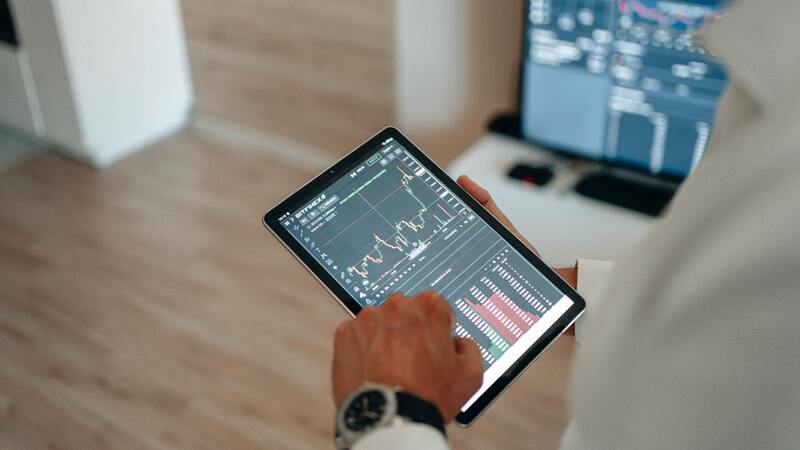
Implementing robust compliance programs is essential for maintaining smooth operations, especially in environments where rapid decision-making and high volumes of transactions are commonplace. These programs typically encompass ongoing staff training, internal audits, and updates to procedural policies that respond to evolving market conditions and new regulatory directives.
Furthermore, proprietary trading firms need to be vigilant about market abuse mechanisms, such as insider trading, front-running, or other unfair trading practices. Establishing clear ethical guidelines and strict oversight mechanisms help to foster a culture of responsible trading, which is crucial for long-term sustainability and reputation management.

Legal considerations also extend into contractual agreements with traders and partners, ensuring clear delineation of responsibilities, profit-sharing arrangements, and confidentiality clauses. These legal instruments serve to protect the firm’s interests while fostering a professional trading environment.
Additionally, some firms implement advanced cybersecurity measures to prevent unauthorized access to trading platforms and sensitive data, further fortifying their operational defenses against potential threats.
Understanding the Operational Dynamics of Proprietary Trading Firms
Proprietary trading firms operate through a combination of sophisticated strategies, advanced technology, and disciplined execution to capitalize on market inefficiencies and volatility. These firms leverage substantial capital resources to execute trades across various financial instruments, including equities, commodities, forex, and derivatives, with the aim of generating substantial returns.

Core operational activities are underpinned by a combination of quantitative analysis, market research, and real-time decision-making. Trading algorithms and models, often developed by in-house quantitative analysts and technologists, interface with trading platforms to identify profitable opportunities at speeds unattainable by manual traders. The implementation of high-frequency trading (HFT) systems and algorithmic strategies allows firms to execute thousands of trades within fractions of a second, optimizing performance and minimizing risks.
Risk management is crucial in prop trading operations. Firms employ rigorous risk controls, which include real-time monitoring systems, stop-loss orders, and position limits to prevent catastrophic losses. These measures are supported by regular performance reviews and adherence to predefined trading parameters, ensuring that traders operate within the bounds of the firm’s risk appetite.
In addition to technological infrastructure, prop firms maintain dedicated teams focused on various domains:
- Quantitative analysts: Develop and refine trading algorithms to exploit market patterns.
- Traders: Execute and manage trades based on algorithm signals and market insights.
- Risk managers: Oversee trading activities, enforce compliance, and manage exposure limits.
- Technologists: Maintain trading infrastructure, enhance system performance, and implement cybersecurity protocols.
These integrated efforts enable proprietary trading firms to operate efficiently, adapt swiftly to market shifts, and sustain profitability over time.

Distinguishing Prop Trading from Other Market Activities
Unlike other trading approaches such as retail trading or hedge fund investing, proprietary trading focuses on using the firm's own capital rather than client assets. This distinction shapes the operational philosophy, with an emphasis on short-term, high-probability trades aimed at quick turnaround and high liquidity. The emphasis on speed, technological sophistication, and risk control differentiates prop trading from longer-term investment strategies employed by traditional fund managers or investor-driven trading.
Operational Strategies and Ethical Standards
Prop trading firms adhere strictly to structured protocols designed to optimize trade performance while maintaining market integrity. They implement comprehensive compliance policies, including the use of ethical guidelines that promote fair trading practices. Internal controls prevent activities like market manipulation or unfair trading tactics, safeguarding the firm's reputation and contributing to market transparency.
The integration of technological tools and human oversight supports responsible trading while enabling firms to adapt swiftly to evolving market conditions. Regular audits, ongoing staff training, and adherence to industry standards foster a disciplined environment conducive to sustainable growth.
Legal and Regulatory Frameworks
Operating within a framework of established regulations, proprietary trading firms maintain rigorous documentation of trading activities, contractual relations, and internal policies. These legal instruments cover trader agreements, profit-sharing arrangements, confidentiality clauses, and compliance protocols, ensuring clarity and accountability across all operational levels. Firms also invest in cybersecurity measures to safeguard sensitive data and trading infrastructure, which is essential given the high volume and velocity of trades managed daily.
Ensuring alignment with evolving regulatory standards requires dedicated compliance teams and continual staff education. This proactive approach helps to sustain a resilient operational environment where market operations are conducted with integrity and transparency.
