
How Does A Prop Trading Firm Work: A Detailed Explanation
How Does a Prop Trading Firm Work
Definition and Role of a Prop Trading Firm
Proprietary trading firms, commonly known as prop trading firms, operate as specialized financial entities that trade various financial instruments using their own capital. Unlike traditional brokerage firms that facilitate client trades, prop firms focus on generating returns by engaging directly in market activities. Their primary goal is to profit from market fluctuations through active trading strategies, often leveraging advanced technology and sophisticated analysis techniques.
These firms serve as pivotal players within financial markets by providing liquidity, enhancing market efficiency, and enabling the discovery of asset prices. They often attract skilled traders who seek a platform that offers capital access, professional training, and risk management support, all aimed at maximizing profit potential. By acting as both market makers and speculative traders, prop trading firms contribute to a more dynamic and efficient marketplace, supporting the broader financial ecosystem.
Fundamentals of Prop Trading Operations
The core operations of a proprietary trading firm revolve around executing trades that profit from short-term market movements. These firms typically employ a combination of quantitative models, technical analysis, and fundamental research to identify trading opportunities. Their traders operate within predefined risk parameters, often reinforced through sophisticated risk management systems.
Operational aspects include:
- Market analysis using proprietary algorithms and data feeds
- Real-time trade execution platforms
- Continuous monitoring of trading positions
- Strict adherence to risk and capital management protocols
Effective operation necessitates seamless coordination between traders, risk managers, and technological infrastructure to ensure profitable and controlled trading activities.
Trader Recruitment and Selection
Recruitment is a critical phase for prop trading firms, often focusing on identifying traders with strong analytical skills, discipline, and a proven track record of success in financial markets. Selection processes may include rigorous testing, simulated trading assessments, and interviews designed to evaluate trading mindset and technical knowledge.
Firms typically offer training programs for new traders, providing them with the necessary tools, resources, and market insights. The goal is to cultivate traders who can adapt to the firm's trading strategies and risk management practices, ultimately contributing to the firm's overall profitability.
Trading Strategies and Risk Management
Prop firms employ diverse trading strategies tailored to various asset classes, including equities, futures, forex, and options. These strategies can range from high-frequency trading to swing trading, each with specific risk profiles and operational requirements.
Effective risk management is fundamental, involving:
- Setting strict trading limits, such as maximum exposure per trade
- Implementing stop-loss and take-profit orders
- Utilizing real-time market analysis tools
- Maintaining a diversified portfolio of trades to mitigate risks
This structured approach ensures that the firm's capital is protected while optimizing the potential for profit in volatile markets.
Fundamentals of Prop Trading Operations
Understanding how a proprietary trading firm functions involves examining its core operational principles, particularly how it executes trades, manages its trading capital, and differentiates itself from conventional trading institutions. Unlike investment firms that manage assets on behalf of clients, prop trading firms utilize their own capital to directly engage in market activities, aiming for profit generation through strategic trading practices.
Central to their operation is a sophisticated infrastructure that enables rapid trade execution, real-time data analysis, and comprehensive risk monitoring. Prop trading firms consistently invest in advanced trading platforms and technological tools that facilitate high-speed order execution, enabling traders to capitalize on even the smallest market inefficiencies. These systems are supported by robust, secure servers and internet connections designed to minimize latency, thus providing a competitive edge in fast-moving markets.

Trade execution at these firms is often algorithm-driven, allowing for large volumes of trades to be executed with precision. The deployment of automated trading strategies helps optimize trading performance, reduce emotional bias, and ensure adherence to predefined risk parameters. Traders and algorithms work hand-in-hand within a tightly controlled environment designed to maximize efficiency while safeguarding capital.
Capital management in a prop trading setting involves strict oversight to prevent excessive exposure to risk. Firms allocate a specific amount of capital per trader or trading strategy, ensuring that losses are contained within manageable limits. Risk controls such as predefined stop-loss and take-profit levels are integrated into trading protocols, and continuous monitoring is employed to quickly detect anomalies or deviations from expected performance.
Moreover, proprietary trading firms typically maintain a dedicated risk management team that oversees trading activities and enforces compliance with established risk parameters. In addition to leveraging technology, human oversight is critical for adapting to dynamic market conditions and ensuring that trading strategies remain aligned with firm objectives.
- Trade Execution: Utilization of high-frequency trading algorithms and direct market access for rapid order placement.
- Capital Allocation: Distributing trading capital efficiently to diversify risk and optimize return potential.
- Risk Controls: Implementation of stop-loss, take-profit, and position limits to manage downside exposure.
- Real-time Monitoring: Continuous oversight via dashboards and alerts to promptly address market anomalies or operational issues.
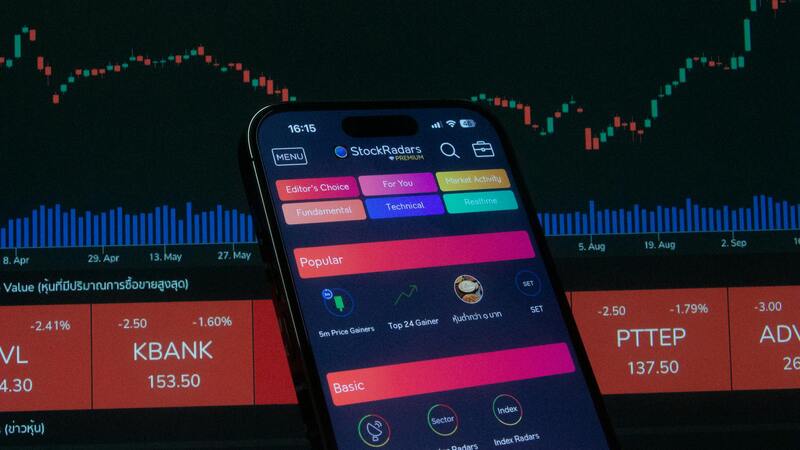
Effectively functioning prop trading firms rely heavily on integrating sophisticated technological infrastructure with disciplined trading strategies. This synergy allows them to steer through volatile markets while maintaining control over risk exposure, ultimately aiming for consistent profitability.
Trader Recruitment and Selection
Successfully operating a proprietary trading firm hinges on assembling a highly skilled and disciplined team of traders. The selection process is rigorous, focusing on both technical proficiencies and psychological resilience. Candidates typically undergo a series of evaluations, including quantitative assessments, simulated trading scenarios, and interviews that gauge decision-making under pressure. Firm recruiters look for individuals with strong analytical skills, a solid understanding of market mechanisms, and the ability to adapt strategies dynamically to changing conditions.
Experience plays a crucial role; many firms prefer traders with a proven track record in trading environments, whether in institutional or independent settings. However, emerging talent with exceptional aptitude for pattern recognition, risk management, and disciplined execution may also be considered, especially if they demonstrate the capacity for rapid learning and adaptation.

Evaluation methods include extensive testing of trading simulations, where candidates are assigned virtual capital to manage over extended periods. These simulations help assess their ability to develop and implement effective trading strategies while maintaining discipline during periods of drawdowns. Additionally, interview panels evaluate candidates' understanding of risk controls, trading psychology, and adherence to firm policies.
Many firms also employ probationary periods during which new traders are monitored closely in live trading environments. This phase ensures that only those traders who consistently adhere to risk management protocols and demonstrate profitability are retained as permanent members of the team.
Trading Strategies and Risk Management
Proprietary trading firms develop and refine proprietary strategies that are tailored to their specific trading styles and risk appetite. These strategies are often rooted in quantitative analysis, technical indicators, and market microstructure insights. Some firms focus on high-frequency trading, exploiting small price discrepancies with rapid order execution, while others employ swing trading or trend-following methods aligned with longer-term market movements.
Risk management remains integral to strategy deployment. Each strategy incorporates predefined parameters such as maximum drawdown limits, position sizing rules, and profit targets. Continuous analysis and backtesting ensure that strategies remain effective across various market conditions.
- Stop-loss and take-profit levels are set to prevent excessive losses and secure gains.
- Position limits prevent overexposure to a single asset or market segment.
- Diversification of trading styles and asset classes helps mitigate overall portfolio risk.
Trade monitoring software tracks real-time performance, quickly flagging anomalies or deviations from expected behavior, allowing traders and risk managers to intervene proactively.

Effective risk management involves not only technical controls but also cultural discipline. Firms emphasize adherence to trading protocols and continuous education to ensure traders understand the importance of disciplined trading. The combination of sophisticated technology, clear policies, and rigorous oversight creates a stable environment where strategies can adapt to market evolution without compromising risk controls.
Trader Recruitment and Selection
Effective trader recruitment is pivotal to the success of a proprietary trading firm. These firms typically seek individuals with a proven track record of disciplined trading, robust analytical skills, and a solid understanding of market dynamics. Selection processes often involve multiple phases, including aptitude assessments, technical tests, and simulated trading evaluations, designed to gauge a candidate's ability to execute strategies effectively under real-market conditions.
During the recruitment process, firms prioritize attributes such as risk management discipline, emotional resilience, and adaptability. Candidates are often evaluated on their capacity to follow strict trading protocols and their aptitude to manage pressure during volatile market periods. A thorough background check, including trading history review and interviews, ensures that traders align with the firm’s standards.
Once a trader is onboarded, they usually undergo an extensive training phase. This phase encompasses familiarization with the proprietary trading platform, compliance protocols, and specific trading strategies employed by the firm. Emphasis is placed on understanding the firm’s risk management framework, as well as cultivating a disciplined approach to trading, which is vital for long-term profitability.
Some proprietary firms implement a probationary or evaluate period, during which traders are closely monitored. This allows the firm to assess the trader’s performance, adherence to protocols, and ability to operate within the firm’s risk parameters. Only after successfully completing this phase are traders fully integrated into the firm’s trading operations.
Advanced selection techniques such as algorithmic assessments and behavioral interviews help identify traders with strong analytical capabilities and emotional stability. Many firms also value traders who demonstrate continuous learning, adaptability to evolving market conditions, and a commitment to disciplined trading practices.
By maintaining rigorous selection standards, prop trading firms foster a team of proficient traders who can execute strategies efficiently, manage risk appropriately, and contribute positively to the firm’s overall profitability.
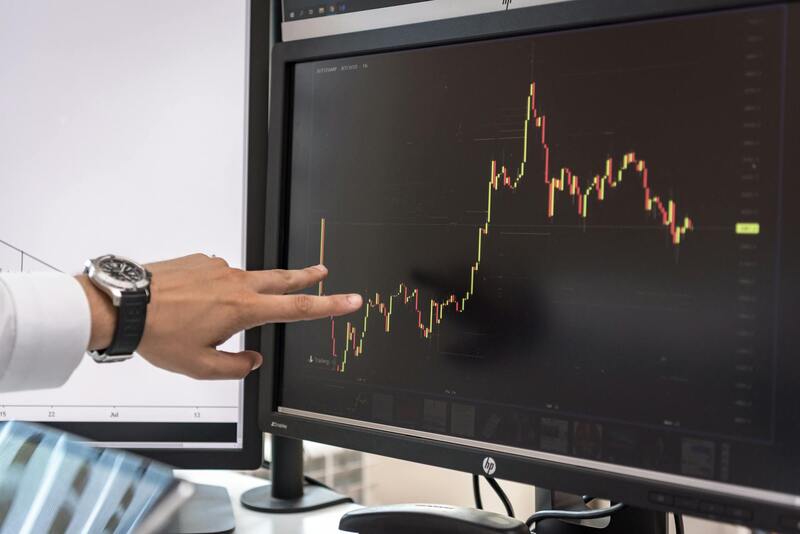
Understanding the Daily Operations and Profit Sharing Models of Prop Trading Firms
Once traders are recruited and trained, prop trading firms operate through a well-structured system that emphasizes efficient capital deployment, strict risk management, and fair profit sharing mechanisms. These elements ensure the firm's sustainability while motivating traders to perform at their best.
At the core of daily operations is the allocation of trading capital. Prop firms allocate a defined amount of capital to each trader, which is used exclusively for trading activities. This capital pool is managed through sophisticated trading platforms that provide real-time data, analytics, and execution capabilities. Traders are responsible for executing strategies within predefined risk limits, monitored continuously through automated systems and manual oversight.

Profit sharing models are designed to incentivize performance while aligning the trader’s goals with the firm’s overall profitability. Typically, traders receive a percentage of the profits they generate, with common splits ranging from 50% to 80% of the net gains. The exact structure depends on factors such as the trader’s experience, consistency, and adherence to risk protocols.
Many prop firms implement tiered profit-sharing schemes. For example, a trader might start with a 60% profit share, which could increase to 70% or higher as they demonstrate consistent profitability over time. Conversely, if a trader exceeds loss thresholds or violates risk parameters, their profit share might be reduced or they could face temporary restrictions until performance improves.
In addition to profit sharing, some firms offer performance bonuses or other incentive programs based on specific benchmarks such as trading volume, risk management excellence, or innovative strategy development. These instruments serve to foster a high-performance culture and encourage traders to refine their skills continually.
Operational Infrastructure Supporting Proprietary Trading
Beyond capital and profit sharing, a comprehensive infrastructure is critical for prop trading success. This includes robust trading platforms capable of executing high-frequency trades, data analytics services for market insights, and risk management tools that enforce trading limits. The integration of these systems facilitates swift decision-making, accurate monitoring, and real-time adjustments to trading strategies.
Most firms utilize cloud-based solutions or dedicated data centers to ensure minimal latency and high uptime. These technological investments support traders in maintaining competitive edge while adhering to the firm's compliance and risk policies.
Continuous Monitoring and Performance Evaluation
Real-time performance monitoring is vital to sustain profitability and prevent excessive risk exposure. Prop firms deploy sophisticated software that tracks individual trader activity, analyzes trading patterns, and flags anomalies or deviations from established protocols. This monitoring helps identify potential issues early, enabling timely intervention.
Periodic reviews and audits of trading performance are conducted to assess compliance with firm policies, profitability levels, and adherence to risk controls. Traders receiving consistent positive evaluations are often granted increased trading limits and possibly access to more capital, fostering their growth within the firm.
Furthermore, ongoing training and evaluation ensure traders remain updated on market developments and refine their strategies, maintaining a competitive edge within the complex financial landscape.
Fundamental Methods of Capital Allocation and Profit Distribution
Understanding how prop trading firms allocate capital and share profits is crucial for traders seeking transparency and fairness in their operations. These models are designed to align the interests of traders with those of the firm, fostering mutually beneficial relationships.
One common approach is the profit-sharing model, where a trader receives a predetermined percentage of the profits generated from their trading activities. This percentage typically varies based on the trader’s experience, trading volume, and consistency of performance. For example, a trader might receive 70% to 80% of the profits, with the remaining share going to the firm to cover operational costs and risk exposure.
Another prevalent method involves capital allocation models that start with a base trading capital provided by the firm. Profits accumulated from trading efforts are then split according to the agreed terms, often on a monthly or quarterly basis. Such models incentivize traders to maximize their performance since a higher profit return directly benefits both parties.
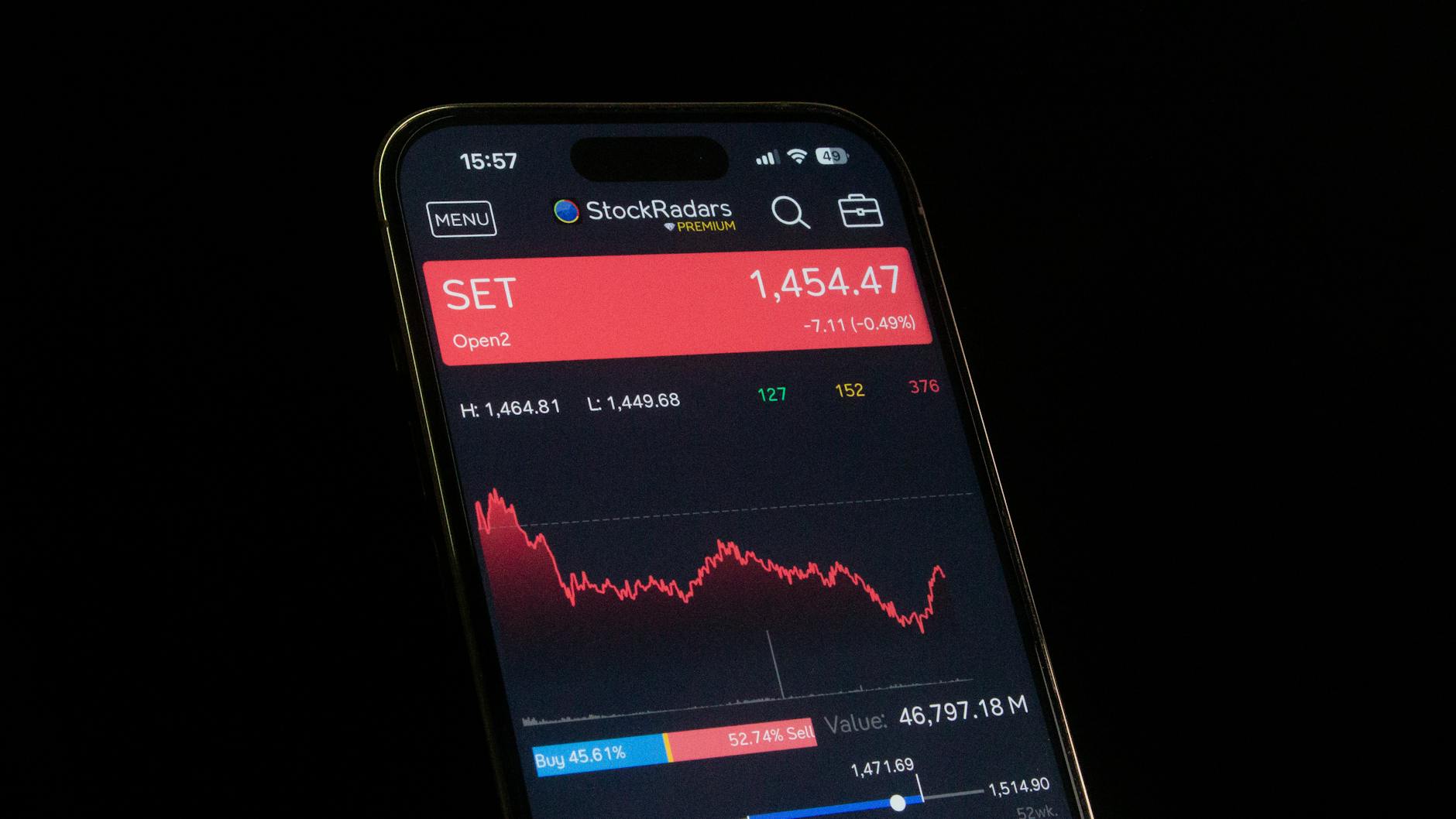
Variable and Fixed Fee Structures
In addition to profit sharing, some firms implement fee structures that incorporate fixed fees or performance-based bonuses. Traders might pay a fixed monthly fee to access the firm’s trading infrastructure and resources, which is offset against their share of profits. Performance bonuses can also be awarded periodically to high-performing traders, providing additional motivation for excellence.
It's essential for traders to scrutinize these arrangements, ensuring clarity on how profits are calculated, fees are deducted, and any additional costs involved. Transparent agreements not only foster trust but also contribute to long-term financial stability for traders operating within these firms.
Tiered Compensation Systems
Many prop trading firms employ tiered compensation systems that reward consistent performance over time. Traders who demonstrate sustained profitability might be upgraded to higher profit-sharing tiers or receive increased trading capital, unlocking further earning potential. Such systems promote professional growth, encouraging traders to refine their skills and adhere to risk management standards.

Impact of Capital and Profit Sharing Models on Trader Performance
These models significantly influence trader behavior and decision-making. Fair and motivating profit distribution methods, coupled with transparent capital allocation, create a conducive environment for traders to innovate and take calculated risks. When traders are appropriately rewarded for their efforts and disciplined trading, overall performance improves, benefiting the firm's bottom line.
Moreover, well-structured profit-sharing agreements foster a sense of partnership, motivating traders to align their strategies with the broader objectives of the firm. As a result, mutual growth becomes achievable, with high-performing traders gaining the opportunity to access larger trading pools and more sophisticated tools.

Performance Monitoring and Growth
Once traders are onboarded and actively engaging with their trading strategies, a robust performance monitoring system becomes essential. Prop trading firms establish comprehensive frameworks for evaluating trading activity, ensuring adherence to risk parameters, and promoting continual skill development. These systems often incorporate advanced analytics, real-time data feeds, and automated alerts to track key performance metrics such as profitability, drawdowns, trade frequency, and adherence to risk management protocols.
Consistency in trading results is a primary focus for prop firms. Regular review sessions help identify areas of strength and opportunities for improvement. Traders receive detailed reports illustrating their performance, including win-loss ratios, profit per trade, and risk-adjusted returns. Such transparency encourages disciplined trading behavior and highlights the importance of adhering to the firm's strategic guidelines.
Monitoring tools also facilitate early detection of deviating behaviors or potential risk exposures, enabling prompt intervention. Managers may implement automated controls that halt trading if certain thresholds—such as maximum loss limits or excessive leverage—are exceeded. This automated oversight safeguards both the traders and the firm’s capital, ensuring sustainable growth.
As part of performance management, many prop trading firms incorporate structured feedback processes and performance improvement plans. Traders who demonstrate exceptional results or show promise may be offered additional capital, access to more sophisticated trading tools, or inclusion in trading teams focusing on specific strategies. Conversely, traders struggling to meet benchmarks might undergo targeted training or mentoring sessions aimed at refining their skills and risk awareness.
Continuous growth within prop trading firms depends significantly on fostering an environment of ongoing learning and adaptation. Firms regularly update their trading models based on evolving market conditions, regulatory changes, and technological advancements. Traders are encouraged to participate in training workshops, strategy reviews, and collaborative forums, contributing to a culture of shared expertise and collective success.

How Does a Prop Trading Firm Work: Key Mechanisms of Profit and Growth
In the landscape of proprietary trading, a firm's ability to sustain, grow, and adapt depends significantly on its fundamental operational frameworks. Central to this is the effective management of trader performance, the deployment of advanced technological infrastructure, and adherence to comprehensive risk management protocols. These elements interact dynamically to foster an environment where skilled traders can maximize returns while safeguarding the firm's capital.

Ongoing Performance Evaluation and Strategic Development
Prop trading firms rigorously monitor individual trader activities and overall portfolio performance through sophisticated analytics platforms. These systems compile real-time data on trade execution, profitability metrics, and risk exposure, providing traders and managers with a comprehensive overview of operational health.
Evaluation processes are not limited to retrospective analysis but are proactive, focusing on continuous improvement. Traders receive constructive feedback, and behavioral analytics help identify areas for skill enhancement or risk mitigation. Firms often implement performance benchmarks that traders must meet or exceed, ensuring consistent alignment with overall business objectives.
To support sustained growth, firms promote ongoing learning through regular training sessions, strategy workshops, and collaborative discussions. This educational environment encourages traders to refine their techniques, adapt to changing market conditions, and incorporate emerging trading technologies.
Scaling Operations and Capital Allocation
As traders demonstrate consistent profitability and sound risk management, firms allocate additional capital to expand their trading portfolios. This strategic scaling process involves careful assessment of trader performance data, market opportunities, and capital availability.
Advanced algorithms and data-driven models assist in determining optimal capital distribution across trading desks or strategies. Firms may also introduce new trading strategies or diversify into different asset classes, leveraging their established infrastructure and expertise.
Adapting to Market Dynamics and Regulatory Changes
Successful prop trading firms remain vigilant to shifts in market conditions, regulatory policies, and technological developments. They invest continuously in upgrading their hardware, software, and trading algorithms to maintain competitiveness.
This adaptive approach often involves integrating artificial intelligence and machine learning to enhance predictive accuracy and automate decision-making processes. Simultaneously, firms comply with relevant trading standards and regulations through systematic documentation, reporting, and internal audits. This disciplined approach helps sustain long-term operations and diminishes risk exposure.
Operational resilience is further supported by diversified trading strategies that mitigate dependence on any single asset class or market condition. Risk controls, such as automatic stop-loss orders and maximum drawdown limits, are integral to this resilience, ensuring that profits are protected and losses are contained across all trading activities.
Building a Culture of Excellence and continuous Innovation
The collective success of a prop trading firm hinges on cultivating a culture that values expertise, integrity, and relentless pursuit of improvement. Continuous innovation in trading methodologies, risk management practices, and technological capabilities is essential to stay ahead in a competitive environment.
Professional development programs, performance incentives, and collaborative opportunities create an environment where traders are motivated to excel and contribute to shared success. This culture of excellence is bolstered by transparent operational procedures, regular strategy reviews, and an emphasis on ethical trading practices.
