
Best Prop Trading: Key Factors And Top Firms For Proprietary Trading
Overview of Proprietary Trading
Proprietary trading, commonly known as prop trading, involves financial firms, including trading firms and investment banks, using their own capital to engage in various trading activities. The primary goal is to generate profit through the buying and selling of securities, commodities, or other financial instruments. Unlike traditional investment management, where firms trade on behalf of clients, prop trading firms trade with their own funds, thus bearing all the associated risks and rewards.
One significant distinction of prop trading is its focus on leveraging expert market insights, advanced technological tools, and sophisticated trading strategies to capitalize on market opportunities. This practice not only enhances the firm's profitability but also contributes to market liquidity and efficiency. It plays a vital role in financial markets by acting as a key participant that can rapidly respond to market movements and price signals.
Many proprietary trading firms operate in diverse financial markets, including equities, forex, commodities, and derivatives. They often employ traders with specialized skills and provide them with substantial resources, including cutting-edge trading software and analytical tools, to execute their strategies effectively.

Compared to other forms of trading, such as institutional or retail trading, prop trading offers opportunities for traders to develop their skills, test innovative strategies, and potentially earn significant profits. The firms benefit from such talent by enhancing their overall trading performance, which in turn supports the firm’s growth and stability. As a market practice, prop trading continues to evolve with technological advancements, making it a core component of the modern financial ecosystem, especially for traders aiming to operate at the highest levels of sophistication and effectiveness.
Criteria for Evaluating the Best Prop Trading Firms
Identifying the top-performing proprietary trading firms involves a comprehensive assessment of several critical aspects that directly impact trader success and firm stability. The fundamental criteria include the amount of trading capital available, risk management protocols, profit-sharing arrangements, and the level of trader support provided by the firm.
Trading capital is essential because it determines the scale of trading activity and the potential for earning. Firms with substantial capital pools facilitate larger positions, which can lead to higher profits while also enabling traders to implement risk management strategies more effectively.
Risk management is a vital component that safeguards both the firm's and traders' interests. Top firms enforce disciplined risk controls, such as strict stop-loss levels and position size limits, to prevent catastrophic losses and promote sustainable growth.
Profit-sharing models vary across firms but often include a combination of fixed splits or tiered arrangements based on profitability. Transparent and equitable profit distribution fosters motivation and aligns the interests of traders with the company’s objectives.
Support systems are a hallmark of the best prop trading firms. Many offer advanced trading platforms, real-time market analysis, comprehensive training, and ongoing mentorship. These resources equip traders with the tools necessary for high-level performance and continual development.

Additional Evaluation Points
- Reputation and Track Record: Established firms with consistent performance histories tend to offer more reliable environments for traders.
- Transparency of Terms: Clear policies regarding profit sharing, trading rules, and operational procedures are crucial for building trust.
- Technological Infrastructure: Access to cutting-edge trading software and analytical tools enhances effectiveness and execution speed.
- Trader Development Programs: Firms that invest in ongoing education and mentorship demonstrate a commitment to trader growth.
Choosing the right proprietary trading partner requires diligence and a clear understanding of these criteria. Successful traders prioritize firms that offer a balance of robust capital resources, disciplined risk policies, and solid support frameworks, aligning with their own trading styles and growth trajectories.
Overview of Proprietary Trading
Proprietary trading, commonly known as prop trading, involves financial firms or trading entities using their own capital to engage in market transactions. Unlike traditional brokerage activities where clients' trades generate revenue, prop traders operate independently, aiming for profit directly from their trading strategies. This approach allows traders to employ a wide spectrum of techniques across diverse asset classes, including equities, commodities, foreign exchange, and derivatives, with the goal of maximizing returns on the firm's capital.
In the realm of prop trading, firms often provide traders with access to significant financial resources, advanced trading tools, and dedicated support structures. Such an environment fosters a high-performance culture where strategic thinking, discipline, and expertise are paramount. The focus remains on developing innovative trading strategies, managing risk effectively, and leveraging technological infrastructure to seize market opportunities swiftly. As the industry continues to evolve, the best prop trading firms distinguish themselves through rigorous evaluation standards, transparent operational policies, and ongoing commitments to trader development.

Criteria for Evaluating the Best Prop Trading Firms
Choosing a reputable and effective prop trading firm involves assessing several critical elements that ensure a secure and productive trading environment. Key considerations include the firm's capital resources, risk management policies, technological infrastructure, and support systems tailored to trader success.
- Capital and Funding: The firm’s financial strength determines the trading capacity and potential profits. Adequate capital allocation allows traders to execute larger positions and diversify their strategies, reducing the risk of overexposure.
- Risk Management Policies: Effective risk controls, such as drawdown limits and position sizing rules, safeguard both the trader and the firm. Firms with disciplined risk frameworks promote stability and sustainable growth.
- Trader Support and Resources: A comprehensive support system includes access to cutting-edge trading platforms, real-time market data, educational tools, and mentorship programs, all of which are vital for continuous development.
- Reputation and Track Record: Firms with longstanding operational histories and consistent performance demonstrate reliability and a commitment to trader success. Their proven track records offer insight into their stability and operational transparency.
- Transparency of Terms: The clarity of profit-sharing arrangements, trading rules, and operational procedures builds trust and ensures clear expectations for traders.
- Technological Infrastructure: The integration of advanced trading software, analytical tools, and automation capabilities enhances trading efficiency and execution speed, providing a competitive edge.
- Trader Development Programs: Ongoing training, mentorship, and educational resources reflect the firm’s investment in nurturing trader talent and fostering professional growth.
Additional Evaluation Points
Evaluating a prop trading firm's reputation and policies is essential for aligning with your trading style and growth aspirations. A firm with a strong community presence and positive trader feedback often signifies an environment conducive to success. Ensure the firm maintains transparency regarding operational policies, fee structures, profit splits, and other contractual obligations. Access to innovative technology and regular updates on market developments further contribute to a trader's ability to perform effectively. Ultimately, selecting a firm that balances capital support, risk discipline, and developmental opportunities can significantly influence your trading trajectory.
Criteria for Evaluating the Best Prop Trading Firms
When selecting top-tier prop trading firms, traders should consider several critical factors that influence both their potential for success and alignment with professional goals. A firm's operational history and performance stability provide initial indicators of credibility. Established firms with a consistent track record demonstrate resilience and a commitment to long-term growth, often reflecting robust risk management practices. Traders should investigate the authenticity and transparency of a firm's profit-sharing models, scrutinizing how commissions, splits, and fee structures are outlined and enforced.
Technology infrastructure plays an integral role in modern prop trading. The availability of cutting-edge trading platforms, analytical tools, and automation capabilities can significantly impact a trader's ability to execute timely and informed decisions. Firms that regularly update their technology stack and offer access to advanced data analytics help traders stay competitive in rapidly evolving markets.
Trader development programs, including mentorship, comprehensive training materials, and ongoing educational initiatives, demonstrate a firm's dedication to fostering growth. These programs not only improve individual performance but also contribute to building a cohesive and skilled trading community.
Reputation and operational transparency further distinguish superior firms. A positive trader community, reflected through testimonials and feedback, indicates a supportive environment conducive to professional development. Transparency regarding operational policies, fee structures, profit split arrangements, and risk management protocols safeguards against misunderstandings and establishes clear expectations.
Financial stability and regulatory compliance are additional criteria but often fall outside the scope of official public disclosures. Nonetheless, verified compliance histories and safeguards ensure that traders operate within a secure environment. The firm’s approach to risk management, capital allocation, and trader support collectively influences overall stability.
Ultimately, evaluating these criteria helps traders identify firms that prioritize transparency, technological excellence, stability, and developmental support—elements crucial for sustained growth in proprietary trading environments.

Understanding Legitimate Methods to Access Top Prop Trading Firms
Securing a position with a reputable prop trading firm involves a structured and transparent process. The most recognized and reputable firms emphasize clear application procedures, rigorous evaluation methods, and transparent communication with prospective traders. Typically, candidates are required to demonstrate trading proficiency, technological understanding, and adherence to firm-specific risk protocols through formal assessments or trial periods.
One of the most secure and transparent methods for aspiring traders to gain entry is through official application channels. These channels often include comprehensive online applications where traders submit their trading history, experience levels, and sometimes undertake initial assessments designed to gauge their skills. Firms may also require traders to participate in simulation environments or demo trading periods, which serve as practical evaluations of their abilities without risking real capital.
During these evaluations, firms assess various competencies such as risk management skills, decision-making under pressure, consistency in trading, and the effective use of trading platforms. This process ensures that only traders who meet the firm’s standards for discipline, profitability, and strategic thinking gain access to their capital pools. Transparency in this process helps maintain a fair environment, where traders understand the specific criteria they need to meet to qualify.

In addition to application and testing phases, many leading firms have established mentorship programs or introductory workshops that guide new traders through the firm's operational philosophies, risk policies, and technological systems. These programs foster a cooperative environment and help traders align their strategies with the firm’s expectations, thereby reducing misunderstandings and promoting mutual growth.
Another highly regarded approach involves participating in industry-recognized certification or evaluation platforms. These platforms provide standardized testing services that allow traders to showcase their skills objectively. Successful completion of such assessments often enhances a trader’s credibility and can serve as a stepping stone to qualifying with premier prop trading firms.
Furthermore, direct, official engagement with firms—such as signing standard trader agreements and undergoing compliance checks—ensures adherence to all operational protocols. These official procedures are designed to establish trust and clarity, providing a foundation for long-term, secure trading relationships. Traders should prioritize firms that openly detail their entry processes, offer verifiable references, and promote transparent onboarding practices.
Ultimately, the most reliable methods for entering top-tier prop trading environments involve standardized assessments, clear communication channels, and adherence to official protocols. Such approaches safeguard traders’ interests while ensuring they meet the criteria necessary for professional and sustained trading growth.
Criteria for Evaluating the Best Prop Trading Firms
When selecting a top-tier proprietary trading firm, traders should focus on several critical factors that establish the firm’s credibility and operational integrity. These criteria serve as benchmarks to distinguish genuine, reputable firms from less transparent counterparts. Understanding these parameters ensures traders align themselves with organizations that support their professional growth through transparent practices, robust risk management, and strong technological infrastructure.
Regulatory Compliance and Transparency
While explicit discussions of legal frameworks are not the focal point, it is essential to recognize entities that operate within recognized standards. Reputable firms openly share their operational policies, risk controls, and compliance procedures, providing detailed documentation and transparency regarding their business model. Such openness fosters an environment of trust, allowing traders to understand the risks and expectations involved.
Funding and Capital Structure
A significant indicator of a firm’s stability is its funding capacity and capital reliability. Leading prop trading firms have substantial capital reserves, enabling them to support traders through varied market conditions. Firms with strong backing typically offer larger trading accounts, better risk management tools, and more consistent payout structures, creating a supportive foundation for trading success.
Technology and Trading Infrastructure
Advanced, reliable technological infrastructure is vital in prop trading. The best firms invest heavily in cutting-edge trading platforms, risk management software, and data analytics tools. These technological resources enhance execution speed, provide real-time market insights, and help traders implement strategies more effectively. Access to such infrastructure gives traders a competitive advantage while maintaining operational security.
Risk Management Policies
Effective risk management protocols are the backbone of sustainable prop trading. Reputable firms enforce strict risk limits, monitor trading behaviors continuously, and employ automated safeguards to prevent excessive losses. These mechanisms protect both the firm’s capital and traders’ interests, ensuring long-term viability and consistency in trading operations.
Support and Training Resources
Top firms prioritize trader development through comprehensive support and educational resources. This includes mentorship programs, detailed onboarding procedures, and ongoing training modules. Firms that provide such tools facilitate skill enhancement and ensure traders stay aligned with evolving market conditions and firm policies.
Evaluation Methodology
Assessing a prop trading firm’s credibility involves a combination of these factors, along with direct feedback from traders and industry reviews. Investigating the firm’s history, operational transparency, risk management standards, and technological robustness provides a systematic approach to identifying trustworthy organizations.

Evaluation Methodology of Top Prop Trading Firms
Choosing the best prop trading firm involves a comprehensive evaluation of several critical factors that influence trading success and operational harmony. Effective evaluation methodologies rest on transparent criteria, consistent industry standards, and first-hand trader feedback, ensuring that the selected firm aligns with the trader’s expertise and strategic goals.
Assessment of Technological Infrastructure
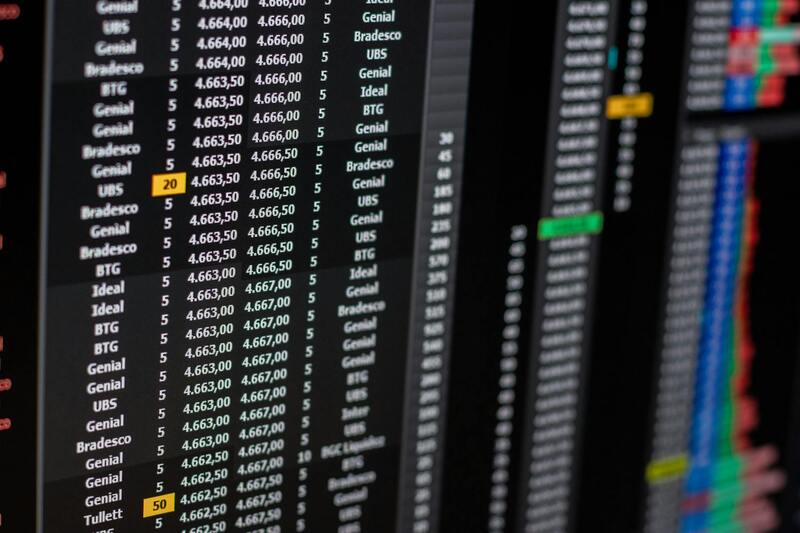
Proprietary trading firms investing in robust technological infrastructure tend to offer traders exceptional resources for execution, analysis, and risk management. These include advanced trading platforms, real-time data feeds, and sophisticated analytics tools. A firm’s technological capacity directly impacts a trader’s ability to react swiftly to market developments and implement strategies efficiently.
Financial Stability and Reputation
The financial health of a prop trading organization is a fundamental criterion; a stable and well-capitalized firm provides a secure environment for traders and ensures continuity during market fluctuations. Additionally, a firm’s reputation, built on years of operational consistency, transparency, and positive trader feedback, serves as a strong indicator of its credibility.
Risk Management Framework
Top firms employ rigorous risk management protocols that safeguard both their capital and traders’ interests. These include predefined risk limits, automated safeguards, and real-time monitoring. The effectiveness of these systems reflects an organization’s commitment to sustainable trading practices and long-term growth.
Trader Support and Development Resources
An organization’s investment in trader development demonstrates its commitment to success. Support can be gauged through mentorship programs, educational materials, advanced training modules, and responsive administrative assistance. Firms fostering continuous education and support tend to enable traders to adapt to shifting market dynamics more effectively.
Operational Transparency and Ethical Standards
Transparency in operational policies and ethical conduct are crucial in evaluating a prop trading firm. Clear communication regarding fee structures, profit-sharing models, and compliance protocols helps traders make informed decisions. Ethical standards reinforce confidence and stability within the trading environment.
Feedback from the Trading Community
Insights from current and former traders provide invaluable perspectives on the firm’s day-to-day operations and support systems. Platforms dedicated to trader reviews, industry forums, and direct feedback channels contribute to building an accurate assessment of a firm’s reliability and overall performance.
Conclusion
Assessing top prop trading firms involves a systematic approach that balances technological resources, financial robustness, risk management efficacy, support infrastructure, and community feedback. Prioritizing these criteria helps traders identify organizations that offer a conducive environment for sustainable trading growth and success.
Final Considerations for Choosing the Best Prop Trading Firms
As the proprietary trading landscape continues to evolve, traders must equip themselves with reliable and comprehensive information to identify firms that align with their trading goals and standards of excellence. Besides evaluating technical resources and profit-sharing models, understanding the operational methodologies and support infrastructures of these firms is essential for sustained success.
Reputation and Industry Standing
One of the foremost indicators of the quality of a prop trading firm is its standing within the trading community and industry at large. Firms that maintain a strong reputation often have a history of transparent operations, consistent payout records, and positive trader testimonials. A firm's longevity and resilience in the market reflect its ability to adapt to changing conditions and uphold high standards.
Technological Infrastructure
High-performance trading platforms, reliable data feeds, and advanced analytics tools are vital in competitive prop trading environments. The best firms invest in cutting-edge technology to ensure traders have the tools necessary to execute strategies efficiently and react swiftly to market movements. Cloud-based solutions, real-time risk management systems, and customization options often distinguish top-tier firms from their competitors.
Trader Development and Support Systems
Elite prop trading organizations understand the significance of ongoing education and professional support. These firms typically offer mentorship programs, comprehensive training modules, and resources that enable traders to refine their strategies. Responsive administrative assistance and dedicated trader support channels help resolve issues promptly, reducing downtime and fostering a positive trading experience.
Risk Management and Compliance
Adherence to rigorous risk management protocols is a hallmark of the best prop trading firms. They implement clear policies to monitor trading activities, enforce risk limits, and ensure compliance with industry standards. Traders should look for firms that prioritize transparency in their risk procedures and maintain accountability through regular audits and reporting mechanisms.
Financial and Operational Transparency
Transparency about fee structures, profit-sharing arrangements, and operational policies creates a trustworthy environment for traders. Firms that openly communicate their terms, avoid hidden fees, and provide detailed documentation foster confidence and promote long-term collaboration. These organizations typically have clear onboarding processes and accessible support channels for questions and clarifications.
Community Feedback and Reviews
Gathering insights from current and former traders helps create a balanced view of a firm's operational environment. Feedback shared through industry forums, trader review platforms, and direct testimonials can reveal insights on payout consistency, support quality, and overall trader satisfaction. In-depth community feedback often highlights the nuances that raw specifications might overlook.
Preparing to Join the Best Prop Trading Firms
Meeting the application criteria usually involves demonstrating trading competence, understanding risk controls, and passing evaluation phases that assess trading skills under simulated or live conditions. Prospective traders should prepare by honing their strategies, maintaining detailed trading records, and understanding the firm's specific onboarding requirements. Many firms require initial assessments, which evaluate trading discipline, consistency, and risk management capabilities before formal acceptance.
Tools for Staying Informed and Updated
- Industry Reports and Trader Reviews: Regularly review reports and user feedback to stay informed about firm reputations and operational practices.
- Professional Networking: Engage within trading communities to exchange insights and experiences with other traders and industry veterans.
- Educational Platforms: Continually upgrade trading skills through workshops, webinars, and specialized training modules offered by top firms or independent platforms.
- Market Analysis Tools: Utilize advanced analytics and news aggregation tools to stay ahead of market trends and ensure timely decision-making.
Summary
Choosing the right prop trading firm involves comprehensive evaluation of its operational integrity, technological competence, community standing, and support infrastructure. By systematically analyzing these factors, traders can identify organizations offering environments conducive to consistent profitability and professional growth, ensuring a foundation for long-term success in proprietary trading.
Related Tags
