
Top Prop Trading Firms: Leading Proprietary Trading Companies In The Industry
Overview of Proprietary Trading Firms
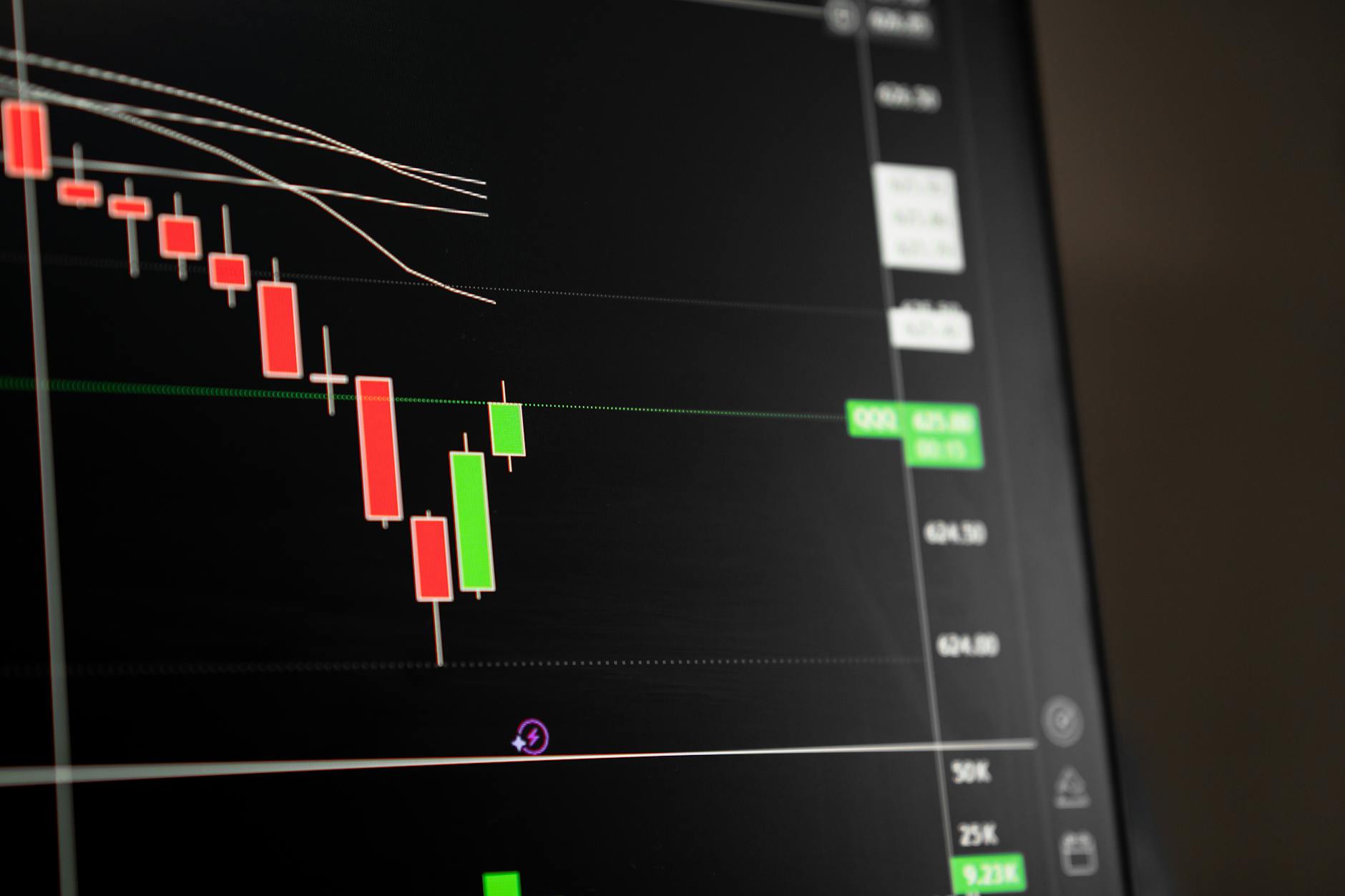
Proprietary trading firms, commonly known as prop trading firms, are specialized financial entities that invest their own capital in a wide array of markets to generate profits. Unlike traditional investment venues, such as retail brokerage houses or institutional asset managers, prop trading firms focus primarily on leveraging skilled traders and advanced trading strategies to maximize financial gains for the company itself. Their core activity involves executing trades across various asset classes, including equities, commodities, options, futures, and currencies, with the primary goal of capital appreciation rather than client asset management.
These firms play a critical role in the broader financial ecosystem by providing liquidity, facilitating market price discovery, and maintaining market efficiency. Through the deployment of cutting-edge technology and data-driven approaches, top prop trading firms often lead in innovation within financial markets. Many operate with a competitive and performance-oriented culture, emphasizing skill, discipline, and risk management. Unlike traditional brokerage firms, which generate revenue through commissions and fees, prop trading companies earn by successfully executing trades that yield profitable outcomes from their own risk capital.
Another distinctive feature of proprietary trading firms is their unique approach to employee trader selection and operational structure. They typically employ professional traders, quants, and analysts who are evaluated based on proven track records and trading capabilities. These firms often offer training programs, access to premium trading tools, and in some cases, profit-sharing arrangements that incentivize high performance. Their operational models vary, with some emphasizing algorithmic and high-frequency trading, while others focus on discretionary strategies based on fundamental or technical analysis.
Despite the high risk associated with trading market volatility, top prop trading firms are known for their disciplined risk management protocols, which are vital for sustaining profitability over time. Their research and development teams continuously work to adapt strategies to evolving market conditions, making them notable players within the financial services industry. Overall, proprietary trading firms serve as innovative powerhouses, combining advanced technology, financial expertise, and strategic risk-taking to operate at the forefront of global markets.
Criteria for Ranking Top Prop Trading Firms
When evaluating proprietary trading firms, several key factors are taken into account to determine their standing within the industry. A primary consideration is the amount of trading capital available to traders, which directly influences the potential scale of trading activities and profit opportunities. Larger trading capital enables traders to execute more substantial trades, diversify strategies, and manage risk more effectively, contributing to the firm's overall profitability.
Technology infrastructure is another crucial element. Top firms invest heavily in cutting-edge trading platforms, real-time data feeds, and advanced analytical tools. These technological resources provide traders with a competitive edge by facilitating faster executions, better market insights, and sophisticated risk management capabilities. Firms that offer access to premium trading software and proprietary algorithms often stand out in this regard.
Trader support and development are also vital criteria. Leading firms prioritize comprehensive training programs, mentorship, and continuous education to enhance traders' skills. They typically provide a range of resources, including risk management guidelines, trading strategies, and psychological support, to foster consistent performance.
Reputation within the financial services community adds to a firm's ranking. This encompasses transparency, ethical trading practices, and the firm’s track record of stability and profitability. Evaluating the firm’s history, client feedback, and industry recognition helps determine its credibility and reliability.

Overall, these criteria serve as benchmarks for traders seeking to join a firm that offers optimal conditions for professional growth and profitability.
Key Features of Leading Prop Trading Firms
Top proprietary trading firms share several core features that distinguish them within the industry. One notable characteristic is their strong emphasis on risk management. They implement rigorous protocols to mitigate potential losses, such as detailed risk limits, real-time monitoring, and contingency plans. This disciplined approach ensures long-term sustainability, even amid market volatility.
Another defining trait is their technological innovation. These firms leverage the latest advancements in trading technology, including algorithmic trading systems, machine learning models, and high-frequency trading setups. Access to these tools enables traders to execute complex strategies with high precision and speed.
Additionally, top firms are committed to trader development. They often run extensive training programs, provide mentorship from experienced traders, and facilitate knowledge sharing within their teams. Offering competitive profit-sharing arrangements or payout structures also incentivize traders to perform at their highest level, aligning individual success with the firm’s overall profitability.
Operational transparency and a focus on compliance are integral features as well. Such firms maintain clear policies regarding trading standards and adhere to regulatory guidelines, fostering an environment of integrity and trust. This not only supports sustainable growth but also attracts talented traders seeking reputable partnerships.
Popular Prop Trading Firm Models
Proprietary trading firms adopt various operational structures to optimize performance and cater to different trader profiles. The most common models include:
- Profit-Sharing Model: Traders receive a percentage of the profits generated from their trades, incentivizing high performance and aligning their interests with the firm. This model often involves an initial evaluation period or trading phase.
- Salary Plus Performance Bonus: Traders receive a base salary complemented by performance-based bonuses, providing financial stability while motivating excellent performance.
- Capital Allocation Model: Traders are allocated a virtual or actual trading account with a set amount of capital. Successful traders often earn increased allocations over time based on their track record.
- Hybrid Models: Combining elements of profit-sharing and fixed compensation, these models aim to balance risk and reward effectively.
Each model has its advantages and caters to different trader preferences—some favoring risk and profit potential, others prioritizing stability and consistent income. This diversity allows top firms to attract a broad range of skilled traders, fostering innovative trading strategies.
Overview of Proprietary Trading Firms
Proprietary trading firms, commonly referred to as prop trading firms, operate by deploying their own capital to engage in financial markets, seeking to generate profits through skilled trading strategies. These firms serve as a unique bridge between individual traders and the larger financial industry, offering resources, infrastructure, and support that enable traders to maximize their potential. Unlike traditional employment models, top prop trading firms emphasize the importance of transparency, risk management, and technological innovation to stay competitive and ensure sustainable growth.

Fundamentally, these firms focus on fostering an environment of integrity and trust, which not only contributes to their reputation but also attracts high-caliber traders. Top firms often implement rigorous evaluation processes to select traders based on their skills, discipline, and strategic thinking. This ensures that the overall risk profile remains aligned with the firm's objectives, while also maintaining a competitive and dynamic trading atmosphere. The emphasis on risk controls and technological advancements allows such firms to navigate turbulent markets effectively and achieve consistent profitability over time.
Criteria for Ranking Top Prop Trading Firms
Assessing and ranking the top proprietary trading firms involve considering several key factors that reflect their strength, reliability, and capacity to support traders. These criteria include:
- Funding Capacity: The financial resources available for trading and the firm's ability to sustain traders in various market conditions.
- Trader Support and Development Programs: Availability of comprehensive training, mentorship, and continuing education to improve trading skills.
- Technology and Infrastructure: State-of-the-art trading platforms, analytical tools, and technological support that enable efficient and precise trading executions.
- Risk Management Strategies: Implementation of advanced risk controls, such as real-time monitoring and predefined risk limits, to safeguard both traders and firm capital.
- Profit Sharing and Compensation Models: Fair and motivating payout structures that incentivize high performance while aligning trader interest with firm goals.
- Reputation and Longevity: The firm's history, market reputation, and success stories over extended periods of operation.

Another critical aspect is the transparency and clarity of the firm's trading agreements and policies, which contribute to a secure framework for traders. These factors collectively determine the position of a prop trading firm within the competitive landscape, influencing its ability to attract and retain talented traders while maintaining robust operational integrity.
Key Features of Leading Prop Trading Firms
Understanding what sets top-tier proprietary trading firms apart involves examining their core features that foster a conducive trading environment and support sustainable growth. These features encompass several critical areas, including technological infrastructure, risk management, trader development, and operational integrity.
Technological Infrastructure
Leading prop trading firms invest heavily in cutting-edge trading technology. This includes robust trading platforms that offer real-time market data, rapid order execution, and seamless access to multiple financial instruments. Analytical tools such as advanced charting software, algorithmic trading systems, and data analytics platforms enable traders to make informed decisions swiftly. These technological assets reduce latency, improve precision, and enhance traders' ability to capitalize on fleeting market opportunities.

Risk Management Strategies
Exceptional firms implement comprehensive risk controls that safeguard both trader and firm capital. This involves real-time monitoring systems that track individual and aggregate risk levels, predefined risk limits per trade, and automated alerts for breaches. These controls minimize the potential for catastrophic losses and help maintain stable trading operations, especially during high-volatility periods. Risk management policies are transparently communicated, with clear guidelines to ensure traders operate within acceptable risk parameters.
Trader Support and Development
Top proprietary trading firms recognize the importance of continuous improvement for their traders. Many offer structured training programs, mentorship opportunities, and access to educational resources designed to refine trading strategies and enhance market understanding. Regular performance reviews and feedback sessions help traders identify areas for growth. Additionally, firms may host internal competitions and offer performance-based incentives, fostering a competitive yet supportive environment that encourages skill development.
Operational Integrity and Transparency
Maintaining trust within the trading community necessitates clear communication and transparent policies. Leading firms publish detailed trading agreements outlining profit-sharing structures, payout schedules, and risk management procedures. This transparency ensures traders are fully informed about the terms of their engagement and policies governing their trading activities. Such integrity is vital for building long-term relationships with traders and sustaining a reputable operational profile.
Financial Strength and Longevity
Experience and stability also distinguish top prop trading firms. Firms with a history of consistent performance and financial robustness tend to attract high-caliber traders. Their capacity to provide sufficient funding, especially during adverse market conditions, underscores their commitment to trader success. Longevity in the industry often correlates with a proven track record of adhering to best practices and adapting to evolving market dynamics.
Key Features of Leading Prop Trading Firms
Identifying the features that distinguish top proprietary trading firms is essential for traders seeking reliable and resource-rich environments. These firms exemplify excellence through a combination of financial backing, technological innovation, comprehensive training, and ethical operational practices. Such attributes not only attract talented traders but also foster their growth over the long term.
Financial Capital and Risk Management
Leading prop trading firms typically allocate substantial capital for trading activities, allowing traders to execute sizeable positions and capitalize on diverse market opportunities. This financial backing ensures traders can operate without the constraints that smaller firms may face. Additionally, robust risk management protocols are integral, with strict position limits, sophisticated monitoring systems, and contingency strategies designed to mitigate potential losses. The focus on risk management enhances stability and sustains operational longevity, particularly during volatile markets.
Advanced Trading Technology and Infrastructure
State-of-the-art trading platforms, real-time data feeds, and sophisticated analytical tools are hallmarks of top firms. These technologies empower traders with fast execution speeds, deep market insights, and automated alerts that improve decision-making processes. Moreover, top firms invest heavily in maintaining reliable infrastructure to prevent downtime, ensure cybersecurity, and facilitate seamless trading experiences. The integration of artificial intelligence and machine learning tools is increasingly common, enabling traders to harness predictive analytics for better strategy formulation.
Structured Training and Development Programs
High-caliber proprietary trading firms prioritize continuous education, offering extensive training programs tailored to different experience levels. New traders often undergo onboarding that covers market fundamentals, risk protocols, and trading psychology, supplemented by mentorship from seasoned professionals. Ongoing development includes participation in simulation exercises, trading contests, and access to comprehensive research resources. This commitment to education ensures traders sharpen their skills, adapt to evolving markets, and stay competitive.
Performance Monitoring and Incentives
Transparency in performance assessment is another defining feature. Leading firms utilize detailed metrics to track individual progress, providing constructive feedback and identifying areas for improvement. Recognition and rewards are aligned with performance, incentivizing traders to optimize their results. Profit sharing models, bonus structures, and career advancement opportunities motivate traders while maintaining high standards of operation.

Operational Integrity and Ethical Conduct
Ethical operations underpin longevity in the prop trading sector. Leading firms maintain transparent policies, clear contractual agreements, and consistent communication with traders. Procedures around profit sharing, payout schedules, and risk protocols are openly documented, creating a trustworthy environment. This integrity fosters stable trader-provider relationships and positive industry reputation.
Track Record and Industry Presence
Experience and stability are indicative of a top firm’s capacity to support its traders over market cycles. Firms with a longstanding presence often demonstrate adaptability, sound financial health, and adherence to best practices. Their ability to provide consistent funding, even under challenging conditions, positions them as preferred partners for ambitious traders seeking long-term growth opportunities.
Overview of Proprietary Trading Firms
Proprietary trading firms, commonly known as prop trading firms, are financial institutions that use their own capital to execute trades across various markets. Unlike traditional brokers or asset managers, prop firms prioritize generating profit internally through the skillful trading activities of their traders. These firms typically provide traders with significant resources, technological tools, and risk management frameworks to optimize trading strategies. Their core objective is to leverage market opportunities effectively while maintaining stringent controls on risk exposure, enabling consistent performance and sustainable growth.

Criteria for Ranking Top Prop Trading Firms
Assessing the premier names in the industry involves a comprehensive evaluation of several key aspects. These criteria include the firm's market reputation, stability, and track record of success, as well as the robustness of its infrastructure and risk management protocols. The firm's capacity to nurture talented traders, offer competitive compensation structures, and its transparency in operations also weigh heavily. Additionally, the flexibility in trading models, technological integration, and support services play vital roles in distinguishing the best players in this competitive field.
Operational Stability and Industry Presence
Consistent performance over multiple market cycles demonstrates a firm’s resilience and effective risk management strategies. Established firms with a long history of successful trading and stable funding are often deemed more capable of supporting traders’ long-term endeavors. Their reputation within the trading community, industry awards, and client testimonials further solidify their standing.
Technology and Infrastructure
Leading prop trading firms invest significantly in state-of-the-art trading platforms, data analysis tools, and secure connectivity systems. These technological assets enable traders to execute strategies swiftly and efficiently, while also providing comprehensive risk assessment and compliance monitoring capabilities. Accessibility to real-time data, back-office support, and seamless integration of algorithmic trading tools are also critical factors for ranking high in this category.
Key Features of Leading Prop Trading Firms
- Advanced Trading Platforms: Proprietary and third-party software that facilitates rapid trade execution and market analysis.
- Comprehensive Risk Management: Strict protocols to monitor and control traders’ leverage and exposure levels.
- Structured Training Programs: Ongoing education and mentorship initiatives to enhance trader skills.
- Clear Profit-Sharing Models: Transparent delineation of income distribution, bonuses, and payout schedules.
- Operational Transparency: Well-defined policies around trading procedures, compliance, and ethical standards.
- Supportive Infrastructure: State-of-the-art hardware, data feeds, and connectivity solutions to minimize latency and optimize trading performance.

Popular Prop Trading Firm Models
The industry features several common operational models that cater to different trader preferences and risk appetites:
- Funding Programs: Firms provide traders with capital after passing evaluation stages, enabling them to trade with the firm’s resources.
- Profit Sharing Arrangements: Traders earn a percentage of the profits they generate, with the firm taking the remainder.
- Bonus and Incentive Structures: Performance-based rewards that incentivize successful trading strategies and consistent results.
- Evaluation and Certification Tracks: Structured assessments to identify talented traders and offer them funding upon qualification.
Benefits of Trading with Top Prop Firms
Engaging with reputable prop trading firms offers several advantages for traders. These include access to substantial capital, competitive profit-sharing schemes, and cutting-edge trading technologies. Traders benefit from structured training programs, ongoing mentorship, and a supportive network that fosters development. Additionally, top firms tend to provide favorable payout schedules, risk controls, and transparent operational policies, which collectively contribute to a stable and growth-oriented trading environment.
Overview of Proprietary Trading Firms
Proprietary trading firms are specialized entities that allocate their own capital to actively trade various financial instruments, including equities, derivatives, currencies, and commodities. Unlike traditional investment firms, which manage client funds, prop trading firms focus on generating profit directly through their trading systems and strategies. They attract skilled traders by offering access to significant trading capital, advanced technological tools, and structured support programs. These firms play a pivotal role in the financial markets, providing liquidity and enhancing price discovery, while also offering traders the opportunity to leverage institutional-grade resources and sophisticated trading environments.

Criteria for Ranking Top Prop Trading Firms
When evaluating the leading proprietary trading firms, several key factors are considered to ensure traders partner with reputable and supportive organizations. The primary criteria include:
- Financial Stability: The firm’s capacity to sustain operations and support traders through market fluctuations.
- Trading Infrastructure: Access to state-of-the-art hardware, low-latency connectivity, and real-time data feeds that facilitate high-performance trading.
- Profit-Sharing Models: Transparent and competitive profit distribution schemes that incentivize traders.
- Support and Training: Availability of comprehensive training programs, mentorship, and educational resources to foster trader development.
- Risk Management Policies: Effective risk controls and compliance standards to ensure sustainable trading practices.
- Reputation and Market Presence: Industry recognition, positive trader feedback, and adherence to regulatory frameworks.
Key Features of Leading Prop Trading Firms
Top proprietary trading firms distinguish themselves through several defining features that cater to professional traders. These include:
- Advanced Technology Platforms: Firms invest heavily in trading platforms, algorithmic tools, and market access solutions that enable rapid execution and real-time analytics.
- Capital Allocation Programs: Offering traders access to substantial funds once certain evaluation criteria are met, enabling larger trading volumes and potential profits.
- Structured Evaluation Processes: Rigorous testing and assessment stages to identify skilled traders, often using simulated trading environments or trial periods.
- Transparent Fee and Payout Structures: Clear policies outline trader payouts, fees, and profit splits, avoiding ambiguities.
- Community and Support Networks: Active trader communities foster knowledge sharing, mentorship, and a collaborative trading environment.
Popular Prop Trading Firm Models
The industry hosts various operational models tailored to different trader preferences and risk appetites, including:
- Funding Programs: Firms provide trading capital after evaluation, with traders executing trades using the firm’s resources.
- Profit Sharing Arrangements: Traders receive a percentage of profits they generate, incentivizing performance and strategy effectiveness.
- Bonus and Incentive Structures: Performance-based rewards that motivate traders to maintain consistent results.
- Evaluation and Certification Tracks: Structured pathways where traders prove their skills through testing before receiving funding.
Benefits of Trading with Top Prop Firms
Partnering with reputable proprietary trading firms offers numerous advantages, including access to substantial capital, advanced trading technology, and professional support. Traders are often provided with comprehensive training programs, ongoing mentorship, and a collaborative environment that nurtures skill development. High-quality prop firms also offer flexible payout structures, robust risk controls, and transparent operational policies, fostering trust and stability. This combination of resources and support allows traders to focus on refining their strategies and increasing profitability within well-regulated frameworks.
Effective Communication and Community Building within Prop Trading Firms
Within the realm of top proprietary trading firms, establishing a robust communication network and fostering a sense of community are vital components for sustained success. These firms emphasize transparent, consistent interactions between traders and management, creating an environment where insights, feedback, and innovative strategies are openly shared. This open exchange enhances collective knowledge, allows for rapid adaptation to market changes, and nurtures a culture of continuous learning.

Regular meetings, whether held virtually or in-person, serve as platforms for traders to discuss current market conditions, share performance metrics, and troubleshoot challenges collectively. These interactions help traders stay aligned with firm objectives, understand risk management protocols, and adopt best practices. Furthermore, community-building initiatives such as mentorship programs, trader forums, and social events contribute to a cohesive culture that promotes mutual support, motivation, and professional growth.
Technological Infrastructure Supporting Collaboration
Modern top prop trading firms invest heavily in advanced technological tools to facilitate seamless communication and collaboration. Secure data sharing platforms, real-time chat applications, and cloud-based analytics dashboards enable traders to access critical information instantly. Additionally, collaborative trading software allows multiple traders to work on strategies simultaneously, exchange ideas, and optimize performance collectively. This technological backbone reinforces a cohesive operational environment where agility and innovation are prioritized.
Promoting a Culture of Transparency and Trust
Transparency in operations, performance metrics, and decision-making processes builds trust between traders and firm leadership. Top-ranked prop firms implement clear policies regarding risk limits, profit-sharing mechanisms, and evaluation criteria. Regular reporting, performance reviews, and constructive feedback sessions ensure that traders understand their standing and areas for improvement. Such an environment encourages responsible trading behaviors, reduces misconceptions, and fosters a sense of shared purpose.
Impact of Community and Communication on Trader Performance
Teams cultivated through deliberate communication strategies tend to demonstrate higher resilience and adaptability. The exchange of diverse viewpoints often leads to innovative trading approaches and refined strategies that outperform competitors. Moreover, a supportive community bolsters trader morale, reduces stress during volatile periods, and encourages continuous skill development. As a result, firms that prioritize effective communication and community engagement typically see enhanced overall performance and sustained growth in their trading operations.
