
Largest Proprietary Trading Firms: Leading Industry Players And Market Overview
Overview of Proprietary Trading Firms
Proprietary trading firms, commonly known as prop firms, are specialized financial organizations that allocate capital to professional traders with the goal of generating profits through market speculation. Unlike traditional investment firms or fund managers, prop firms use their own funds rather than client money, allowing them to operate with greater flexibility and potentially higher risk tolerance. These entities play a significant role in providing liquidity, facilitating price discovery, and contributing to market efficiency in various financial environments.
At their core, proprietary trading firms engage in a wide array of trading activities across multiple asset classes including equities, futures, options, foreign exchange, and fixed income. Typically, these firms employ skilled traders, quants, and algorithm developers who leverage advanced analytical tools, proprietary models, and cutting-edge technology to identify trading opportunities and execute strategies rapidly. The focus is on maximizing return on investment through disciplined risk management, strategic market positioning, and innovative trading techniques.
Prop firms are often characterized by a strong emphasis on training and developing their trading talent, providing infrastructure that fosters a dynamic trading environment. Their influence extends across the financial ecosystem as liquidity providers, market makers, and key participants in both short-term and long-term trading activities. As financial markets evolve with technological advances, large proprietary trading firms continue to adapt, utilizing high-performance computing, big data analytics, and automated trading systems to maintain competitive edge.

Their operational scope often includes proprietary research, sophisticated trading infrastructure, and risk management protocols designed to sustain profitability and stability. These firms contribute significantly to market liquidity and efficiency but also face challenges related to market regulation, technological disruption, and volatility management. As entities that capitalize on market movements using their own capital, they remain integral to the ongoing development and functioning of financial markets worldwide.
Criteria for Ranking the Largest Firms
Assessing the largest proprietary trading firms involves multiple factors that reflect their operational scale, trading volume, and influence within the industry. Key criteria include:
- Trading Volume: Total value of assets traded over a specific period, indicating market activity levels driven by the firm.
- Capital Base: The size of the firm’s trading capital, which determines its capacity to engage in large or multiple trades concurrently.
- Market Influence: The firm’s ability to impact market prices and liquidity across various asset classes.
- Technological Edge: The deployment of advanced trading systems, algorithms, and infrastructure to optimize trading performance.
- Global Presence: The geographical range of operations and access to diverse markets worldwide.
- Revenue and Profitability: Financial performance that signifies stability and growth potential within competitive trading environments.
Identifying top performers based on these factors provides a comprehensive understanding of industry leaders and their contributions to market dynamics.
Top Proprietary Trading Firms by Volume and Influence
Within the landscape of proprietary trading, several firms stand out due to their remarkable trading volumes, technological prowess, and market influence. These firms leverage extensive resources and innovative methods to dominate trading spaces and shape market trends. Some of the most prominent proprietary trading firms are often recognized through industry reports, market analysis, and rankings based on trading activity and financial impact.

Such firms often operate with multi-billion dollar trading desks, employ thousands of traders and analysts, and utilize proprietary algorithms that enable high-frequency and algorithmic trading strategies. Their market presence facilitates liquidity and often leads to innovations that set industry standards. Recognizing these firms helps stakeholders and aspiring traders understand the key players shaping modern financial markets.
Criteria for Ranking the Largest Proprietary Trading Firms
Assessing the magnitude of proprietary trading firms involves a multifaceted approach that encompasses various quantitative and qualitative metrics. These key indicators offer insights into a firm's operational scale, market impact, and overall influence within the trading ecosystem.
- Trading Volume: This metric reflects the total value or number of securities traded by a firm over a specific period. High trading volumes often indicate robust market participation and operational capacity, enabling the firm to influence liquidity and price movements significantly.
- Assets Under Management (AUM): While traditionally associated with asset management firms, in the context of proprietary trading, AUM can relate to the proprietary capital committed to trading activities. Larger capital bases typically correlate with enhanced trading capacity and the ability to pursue diverse strategies.
- Market Influence and Liquidity Provision: A firm's ability to influence market conditions, provide liquidity, and facilitate efficient price discovery plays a crucial role in its ranking. Firms with substantial market presence often set trends and contribute to market stability.
- Technological Edge: The deployment of cutting-edge trading algorithms, infrastructure, and data analytics enhances trading efficiency and speed. Firms with superior technology often outperform competitors and dominate high-frequency trading spaces.
- Financial Performance: Revenue streams, profitability margins, and overall financial stability serve as indicators of a firm's success and capacity to sustain aggressive trading operations over time.
Combining these factors helps industry analysts and market participants gauge the relative size and influence of proprietary trading firms. Understanding these metrics provides clarity on the key players actively shaping modern financial markets and their potential for future growth and innovation.
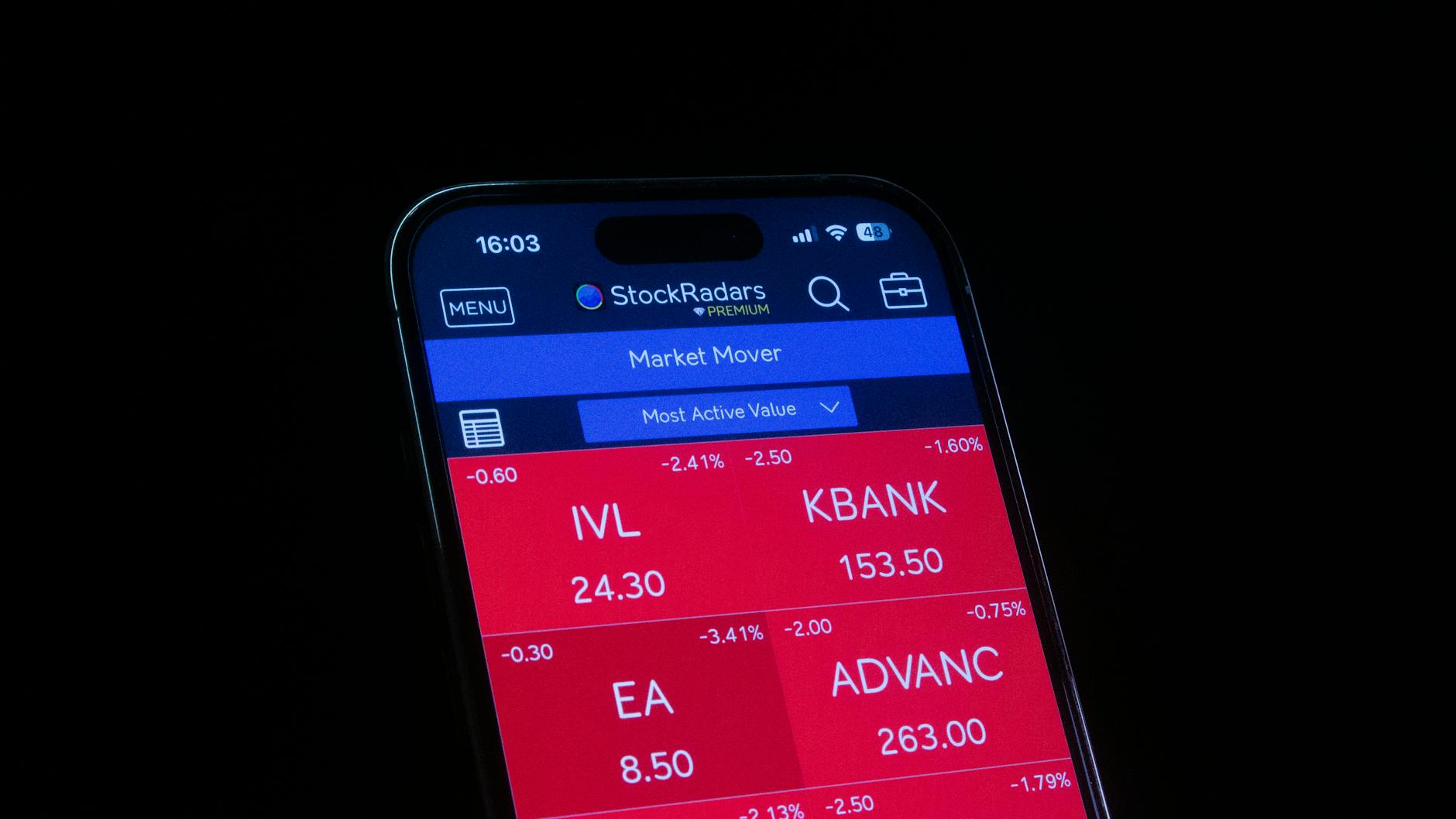
Overview of Proprietary Trading Firms
Proprietary trading firms, often referred to as prop trading firms, are specialized financial institutions that use their own capital to execute a wide array of trading strategies across various asset classes. These firms operate differently from traditional asset managers; instead of managing client funds, they directly deploy their resources to generate profits. Their aggressive pursuit of market opportunities requires a combination of advanced technology, skilled traders, and substantial capital reserves to leverage market movements effectively. The primary goal of these firms is to capitalize on short-term price fluctuations, market inefficiencies, and liquidity needs, often functioning as vital liquidity providers within modern financial ecosystems.
Many of the largest proprietary trading firms have fundamentally transformed the landscape of global finance by integrating cutting-edge algorithms, high-speed trading infrastructure, and sophisticated risk management models. Their influence extends across trading floors, electronic markets, and across different asset domains, including equities, futures, options, currencies, and fixed income. To comprehend their significance, it is vital to analyze the metrics that define their size and influence, such as assets under management dedicated solely to trading capital, market impact, technological capacity, and overall financial performance.

Criteria for Ranking the Largest Firms
Assessing the prominence of proprietary trading firms involves a multidimensional approach, combining quantitative and qualitative factors. Key criteria include:
- Assets Under Management (AUM): While traditionally linked to asset managers, for prop firms, AUM pertains to the trading capital allocated to their activities. Larger trading capital often translates to the capacity to undertake more diverse, aggressive trading strategies and to influence markets more significantly.
- Market Influence and Liquidity Provision: Firms that consistently provide substantial liquidity and actively influence price discovery tend to hold dominant market positions. Their ability to facilitate efficient trading and stabilize markets underpins their relevance.
- Technological Edge: Dominant prop firms employ state-of-the-art trading platforms, algorithms, and data analytics. This technological infrastructure allows for rapid execution, better predictive capabilities, and sustained competitive advantages in high-frequency trading environments.
- Financial Performance: Consistent profitability, revenue streams, and financial stability are strong indicators of a firm's enduring influence and operational resilience.
By evaluating these criteria collectively, analysts and industry insiders can determine which firms exemplify the size and influence within the proprietary trading sector, shaping market dynamics through their strategic activities.
Top Proprietary Trading Firms by Volume and Influence
The industry hosts several notable firms renowned for their trading volume, market share, and consistent performance. These entities have built reputations on their technological prowess, vast trading operations, and strategic agility. Here are some of the prominent names shaping the landscape:
- Jane Street Capital
- Copenhagen-based Optiver
- DRW Trading
- Flow Traders
- Jump Trading
- Smoothening market movements through high-volume trades, these firms often set trends and influence asset prices across diverse markets. Their strategic deployment of capital and sophisticated trading algorithms enable them to respond swiftly to market changes, making them indispensable players in the liquidity provision ecosystem.

Business Models and Trading Strategies
Leading prop trading firms deploy a variety of business models focused on exploiting market inefficiencies, arbitrage opportunities, and trend following. Many integrate high-frequency trading (HFT) strategies, which require ultra-low latency infrastructure and advanced algorithms. Others may employ quantitative trading approaches that leverage vast datasets and machine learning models to forecast asset movements. The common thread across successful firms is the emphasis on continuous technological innovation, rigorous risk management, and diversification across asset classes to maximize profitability and resilience in volatile markets.

Technology and Infrastructure in Large Prop Firms
Technological superiority is a cornerstone for firms dominating the proprietary trading sector. These firms invest heavily in ultra-fast execution systems, colocation services near exchange servers, and advanced data analytics platforms. Artificial intelligence and machine learning tools are increasingly integrated to improve predictive accuracy and automate decision-making processes. Such investments enable these firms to operate at the cutting edge of trading speed, efficiency, and strategic complexity, thus maintaining their competitive advantage.

Regulatory Environment and Compliance
While innovative trading strategies and technological prowess are hallmarks of major prop firms, robust compliance frameworks ensure these firms operate within established market standards. Adhering to regulatory guidelines around market manipulation, transparency, and risk management is critical for sustaining their market roles and avoiding operational disruptions. Many leading firms actively engage with industry bodies and regulatory agencies to stay ahead of compliance requirements and adapt swiftly to evolving regulations.
Impact of Largest Firms on the Market
The size and activity levels of the largest proprietary trading firms inherently influence market stability and liquidity. Their significant trading volumes can help smooth out volatility, especially during turbulent periods. Conversely, their strategic moves can also lead to increased market sensitivities, underscoring the importance of prudent risk management and transparency. Overall, their presence shapes trading norms, influence price formations, and contribute to market innovation.
Future Trends and Industry Outlook
Emerging technologies like deep learning, quantum computing, and enhanced data integration are poised to redefine the competitive landscape further. As regulation continues to adapt to new trading paradigms, large prop firms will need to innovate continually while maintaining compliance. The integration of environmental, social, and governance (ESG) factors into trading strategies is also gaining importance, reflecting broader shifts within the financial industry. Future growth will likely depend on these firms’ ability to balance technological advancements, strategic diversification, and regulatory considerations to sustain their influence in increasingly complex markets.
Operational Strategies and Market Participation of Leading Proprietary Trading Firms
Large proprietary trading firms leverage sophisticated operational strategies to maintain their market influence and optimize trading outcomes. Their approach typically involves a blend of advanced technological infrastructure, rigorous risk management protocols, and adaptable trading models. These firms invest heavily in research and development to stay at the forefront of trading innovations and data analytics, enabling them to identify emerging market opportunities rapidly.
Many of the largest firms utilize high-frequency trading (HFT) methods, which rely on ultra-fast data processing and execution to capitalize on minute price discrepancies across markets. This approach requires a state-of-the-art technological backbone capable of processing millions of data points per second, often supported by colocated servers directly connected to exchanges. Such infrastructure minimizes latency, providing a competitive edge in executing large volumes of trades with precision and speed.
Furthermore, these firms employ diverse trading models, including quantitative strategies that are driven by algorithms designed to exploit statistical patterns, and discretionary approaches that integrate human judgment within automated frameworks. Risk controls are embedded deeply into their trading systems, often featuring real-time monitoring, automated shutdowns, and stress-testing scenarios that help prevent catastrophic losses in volatile markets.

Risk Management and Compliance Measures
The largest proprietary trading firms recognize the critical importance of comprehensive risk management frameworks. They implement multi-layered controls, such as limit orders, margin requirements, and dynamic hedging techniques, designed to mitigate exposure during extreme market movements. Automated alerts and contingency protocols are also integral, ensuring swift responses to unexpected events or technical failures.
Compliance plays a vital role in maintaining market operations and industry reputation. Leading firms work closely with industry regulators and adhere strictly to reporting standards, ensuring their trading activities are transparent and within established parameters. They also invest in compliance technology that continuously monitors trading activities for anomalies and potential issues, providing an ongoing safeguard against inadvertent breaches.
These firms often participate in industry forums and collaborate with regulatory bodies to shape best practices and stay aligned with evolving standards. Their commitment to transparency and best operational practices positions them as responsible market participants and helps sustain their influence in major financial markets.

Market Impact and Strategic Influence
The volume and activity levels of the largest proprietary trading firms significantly affect liquidity and price discovery. Their ability to execute large trades efficiently tends to stabilize markets, especially during periods of high volatility or stress. By providing consistent liquidity, these firms help reduce bid-ask spreads, making markets more accessible and efficient for all participants.
Strategically, these firms often position themselves as market makers or liquidity providers in various asset classes, enhancing overall market functioning. Their presence can influence trading norms and volatility patterns, leading to more resilient trading environments. However, their actions can also prompt regulatory scrutiny, prompting ongoing adaptations in their operational models to align with market expectations.
The influence of these firms extends beyond immediate trading activity; they actively participate in technological innovations and contribute to the development of new trading protocols and platforms. This proactive engagement further cements their role as pivotal players in shaping the future landscape of financial markets.
Business Models and Trading Strategies of Large Proprietary Trading Firms
Large proprietary trading firms employ a variety of business models and trading strategies tailored to optimize market opportunities while managing associated risks. A core aspect of their operation involves leveraging sophisticated technology stacks and vast data analytics capabilities to gain a competitive edge. These firms often dedicate substantial resources to the development of advanced algorithms, enabling them to conduct high-frequency trading (HFT) and execute large-volume trades with remarkable speed and precision.
One prevalent strategy among the largest firms is market making, wherein they provide continuous bid and ask prices across various asset classes. By doing so, they facilitate liquidity, reduce spreads, and profit from the bid-ask spread. This approach not only enhances market efficiency but also aligns with the firms’ capacity to absorb risk through diversified trading portfolios and robust risk management systems.
Another important strategy involves statistical arbitrage, where firms exploit temporary price inefficiencies across markets or securities through rapid, algorithm-driven trades. These strategies rely heavily on quantitative models that analyze historical data, identify patterns, and execute trades within milliseconds. Large proprietary firms often overlap this with momentum or trend-following strategies to exploit ongoing market movements.
In addition to these, some proprietary traders adopt a tactically opportunistic approach, focusing on macroeconomic events or new market developments that present directional trading opportunities. Their agility in response to market news, economic releases, and geopolitical developments allows them to capitalize on short-term fluctuations effectively.

To sustain their competitive advantage, these firms continually invest in infrastructure enhancements, including data centers, low-latency trading platforms, and real-time risk monitoring systems. Combining advanced technology with expert teams of quantitative analysts, traders, and risk managers creates a robust operational environment capable of navigating volatile markets and executing complex strategies at scale.
Furthermore, many of these firms cultivate proprietary data sources, integrating alternative information such as news feeds, social media sentiment, and macroeconomic indicators into their analytical models. This holistic approach enhances their ability to anticipate market moves and refine trading tactics, ensuring they stay at the forefront of market innovation.
Technological and Infrastructure Foundations for Leading Prop Firms
The backbone of large proprietary trading firms’ success lies in their technological infrastructure. High-performance computing clusters, ultra-low latency connectivity, and co-located trading servers distributed across key financial centers support their rapid execution capabilities. These technological investments are essential for maintaining competitiveness in high-frequency environments where milliseconds can determine profitability.
Advanced algorithms enable real-time decision-making, allowing these firms to process vast streams of market data, identify profitable opportunities, and execute trades seamlessly. They also incorporate machine learning models that adapt to evolving market conditions, fine-tuning strategies over time to optimize performance.

Beyond hardware, these firms prioritize cybersecurity measures and disaster recovery protocols to protect sensitive data and ensure uninterrupted trading activity. Their reliance on continuous technological upgrades and partnerships with technology providers helps maintain their competitive edge in a rapidly evolving landscape.
Business Models and Trading Strategies
Large proprietary trading firms employ diverse business models and trading strategies tailored to their operational strengths and market opportunities. The most prominent models include high-frequency trading (HFT), quantitative trading, and market-making activities. Each approach leverages sophisticated algorithms and technology to achieve competitive advantages in liquidity provision, price discovery, and arbitrage opportunities.
HFT-focused firms capitalize on ultra-low latency infrastructure to execute a high volume of trades within fractions of a second, often capitalizing on minute price discrepancies across markets. Their strategies rely heavily on speed, automation, and complex statistical models that identify fleeting trading opportunities faster than competitors. These firms tend to invest heavily in cutting-edge hardware and colocated servers near exchange data centers to minimize delays.
Quantitative trading firms develop and deploy mathematical models based on vast datasets, including historical price patterns, macroeconomic indicators, and social media sentiment. These models enable them to execute systematic trades driven by algorithms that adapt to evolving market conditions. Risk management is central to their operation, with automated controls designed to limit losses and optimize returns.
Market-making entities often serve as liquidity providers, continuously quoting buy and sell prices in various assets. Their profitability hinges on capturing the bid-ask spread while maintaining balanced inventory levels. These firms employ advanced risk management protocols to mitigate exposure to adverse price movements, often utilizing real-time analytics and hedging strategies.

Technological Backbone Supporting Strategic Execution
The effectiveness of these diverse trading approaches is supported by state-of-the-art technological infrastructure. High-performance computing clusters facilitate the rapid processing of market data streams, while ultra-low latency networks ensure trades are executed within milliseconds of signal generation. Co-location at major financial hubs like New York City, London, and Hong Kong is common to reduce transmission delays and gain a competitive edge leveraging proximity to exchange data nodes.
Advanced machine learning models are increasingly integrated into trading strategies, allowing firms to improve predictive accuracy and adapt dynamically to market shifts. These algorithms analyze historical patterns, real-time data, and alternative information sources such as social media feeds to inform trading decisions.
Cybersecurity and data integrity remain pivotal, with large firms investing heavily in robust protection systems. Continuous technological upgrades, partnerships with leading tech providers, and dedicated research and development labs enable these firms to stay ahead in innovation and operational resilience.
Conclusion
By combining innovative business models, cutting-edge technology, and strategic market insights, the largest proprietary trading firms establish dominant positions within the financial ecosystem. Their diverse trading strategies, underpinned by a formidable technological infrastructure, empower them to exploit market inefficiencies effectively and sustain high levels of profitability over time.
Business Models and Trading Strategies
Large proprietary trading firms implement a variety of business models tailored to maximize profitability and manage risk effectively. Their core strategies are often highly data-driven, leveraging advanced algorithms and quantitative methods to identify market inefficiencies, arbitrage opportunities, and trending patterns. These firms frequently employ multi-strategy frameworks, combining different approaches such as market making, statistical arbitrage, high-frequency trading (HFT), and directional trading. By diversifying their tactics, they mitigate vulnerabilities associated with reliance on a single strategy, thereby enhancing resilience amidst volatile market conditions.
Commonly, top firms develop proprietary trading algorithms that undergo rigorous back-testing and real-time validation. Continuous refinement of these models allows adaptation to evolving market landscapes. Many firms also utilize machine learning techniques, providing adaptive capabilities that improve predictive accuracy based on vast datasets, including historical prices, order book dynamics, and macroeconomic indicators. This technological edge enables swift decision-making and ultra-fast trade execution, often within milliseconds.
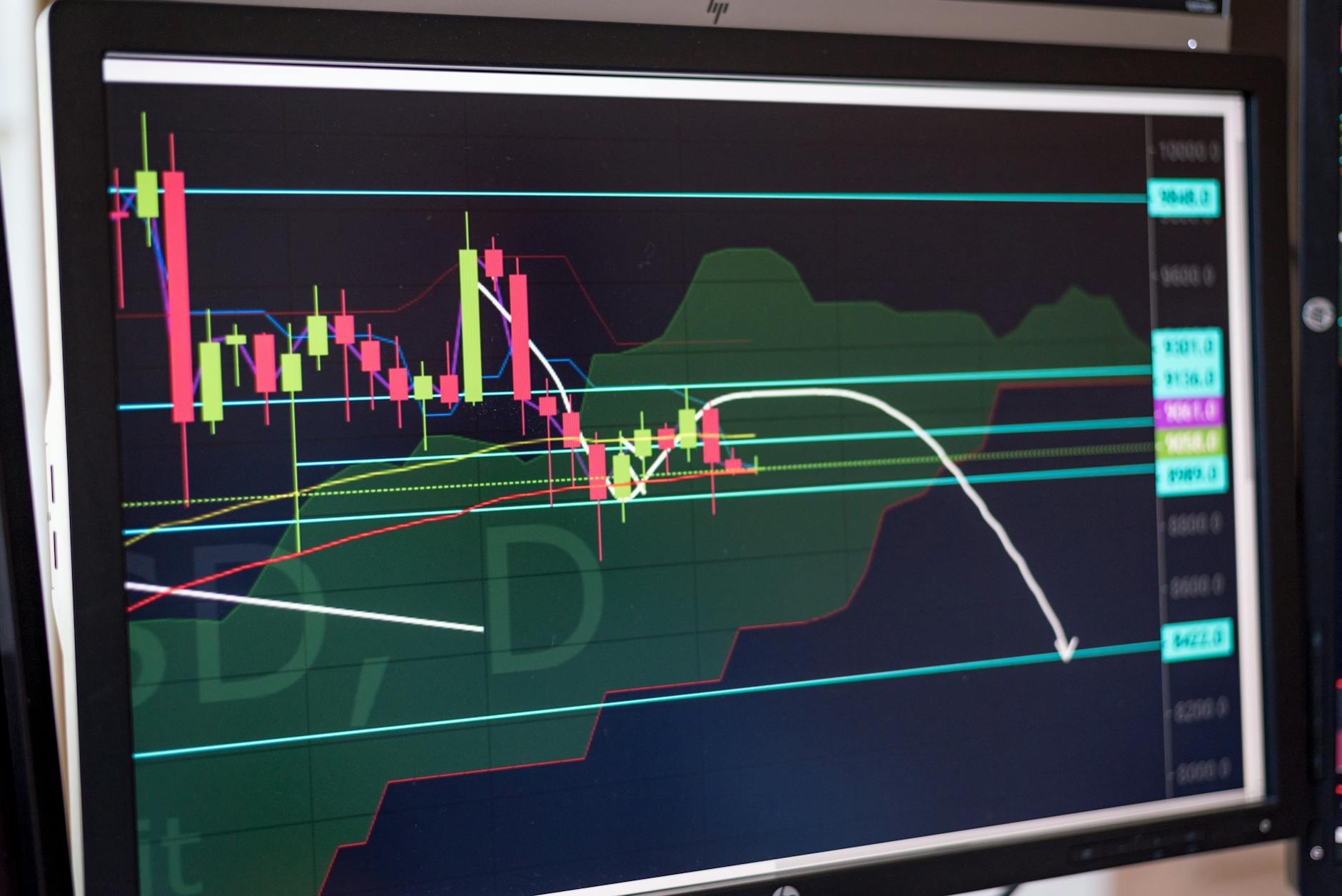
Emphasis on Risk Management
Effective risk management constitutes a cornerstone of large firms’ business operations. Advanced analytics and real-time monitoring systems are implemented to track trading positions, exposure levels, and market risk factors continuously. Many firms adopt conservative leverage ratios, setting strict stop-loss procedures, and employing hedging techniques to protect against adverse market movements. These risk controls are embedded within automated trading platforms, ensuring rapid response to unexpected market downturns or liquidity crunches.
Client and Capital Approaches
While most large proprietary firms trade with their own capital, some also operate hybrid models involving managed accounts or partnerships with institutional investors. In these cases, they leverage their technological and analytical capabilities to generate alpha for external clients, scaling their operations. Capital deployment strategies are aligned with market conditions, often shifting between aggressive and conservative postures depending on volatility and liquidity landscapes.
Innovations and Competitive Edge
Leading firms continuously innovate by integrating new data sources, such as social media sentiment analysis, geopolitical news, and alternative data, to refine their trading signals. They also invest significantly in research and development, contributing to the development of proprietary systems that offer a competitive edge. This culture of innovation supports sustained market dominance by enabling the quick exploitation of emerging opportunities and the minimization of potential losses.

Summary
Through sophisticated algorithms, diversified trading strategies, and rigorous risk management protocols, the largest proprietary trading firms maintain their leadership positions within the financial industry. Their strategic use of technology not only enhances operational efficiency but also grants them the agility to navigate complex and rapidly changing markets. This blend of innovation, discipline, and tactical diversification underpins their substantial influence and enduring profitability.
Impacts and Contributions of the Largest Proprietary Trading Firms on Market Dynamics
The influence of the largest proprietary trading firms extends well beyond their individual operations, shaping broader market behaviors and trends. As key players in the financial ecosystem, these firms contribute to liquidity provision, market efficiency, and volatility regulation. Their substantial trading volumes often lead to tighter bid-ask spreads, facilitating smoother execution for all market participants, from retail investors to institutional players.
Furthermore, their advanced technological infrastructure and data-driven strategies contribute to the evolution of market ecosystems. By continuously optimizing their trading algorithms and leveraging real-time analytics, these firms set benchmarks that drive industry-wide innovation. Their activities often catalyze the development of new financial instruments, trading platforms, and risk management tools.

Their capacity to absorb and adapt to market shocks also plays a vital role in maintaining market stability. During periods of heightened volatility, large proprietary trading firms often act as liquidity providers, helping to stabilize prices and prevent abrupt market declines. This capacity for resilience is built upon sophisticated risk management protocols and diversification across asset classes and trading strategies.
Case Studies of Leading Firms’ Market Impact
- Some of the largest firms have pioneered algorithmic trading frameworks that set industry standards, influencing how trading strategies are developed and executed across the market.
- Several proprietary firms are at the forefront of research in market microstructure, providing insights that improve trading infrastructure and execution quality.
- By actively engaging in market making, these firms help maintain operational continuity during critical market episodes, thereby supporting overall market liquidity.
Challenges Faced by Leading Proprietary Trading Firms
Despite their dominance, these firms operate under complex market conditions that demand constant adaptation. Regulating their market footprint, managing technological risks, and maintaining competitive advantages constitute ongoing challenges. Increased focus on transparency and compliance requires investment in robust monitoring systems, ensuring their operations align with evolving market standards and expectations.
The Future Role of Largest Prop Firms in Market Evolution
Looking ahead, the largest proprietary trading firms are poised to further deepen their integration of artificial intelligence, machine learning, and big data analytics. These advancements promise to enhance predictive capabilities, optimize execution algorithms, and refine risk mitigation techniques. As a result, their influence is expected to grow, setting new benchmarks for efficiency, innovation, and resilience in the trading landscape.
