
Understanding The Prop Trading Firm: Structure, Operations, And Factors For Success
Definition and Overview of Prop Trading Firms
Proprietary trading firms, commonly known as prop trading firms, are specialized financial institutions that utilize their own capital to trade various financial instruments, including stocks, options, futures, currencies, and other derivatives. These firms focus solely on generating profit through trading activities without relying on external clients or investors' funds. The core purpose of prop trading firms is to leverage their expertise, technological tools, and market insights to achieve consistent financial gains.
Unique to the trading industry, prop trading firms often operate with a distinct organizational structure that emphasizes agility, innovation, and a competitive trading environment. They attract expert traders by offering structured programs, advanced trading platforms, and access to substantial trading capital. Unlike traditional asset management firms, which handle clients’ investments, prop firms function with a self-funded approach, reinforcing their emphasis on internal trading performance and risk control.

Within the wider financial trading industry, prop trading firms play an influential role by providing liquidity to markets and helping to facilitate efficient price discovery. Their traders typically employ sophisticated strategies, supported by cutting-edge technology and in-depth market analysis. These firms are often seen as incubators for innovative trading techniques and serve as training grounds for a new generation of skilled traders.
The profitability and sustainability of prop trading firms depend heavily on their ability to adapt swiftly to market conditions, manage risk effectively, and maintain disciplined trading practices. Their success relies on a careful balance between aggressive trading strategies and prudent risk management measures. By focusing on their core competency—leveraging proprietary capital for trading activities—these firms continue to be pivotal players in the global financial ecosystem, contributing to market liquidity and efficiency.
Business Models and Structures of Prop Trading Firms
Prop trading firms operate within diverse structural frameworks designed to maximize trading efficiency and profitability. Central to these models is the division of proprietary trading activities into specialized units that focus on different asset classes, such as equities, commodities, forex, or derivatives. This segmentation allows firms to leverage expertise across markets and adapt quickly to market conditions.
Many prop firms adopt a centralized organizational structure where risk management, compliance, and technology support are integrated into a core operational hub. This consolidation ensures rapid decision-making, streamlined risk controls, and consistent strategic execution. Conversely, decentralized models may feature multiple independent trading desks, each managed by dedicated teams that employ tailored strategies aligned with the firm's overarching objectives.
Staffing models vary, with some firms employing employed traders, while others operate on a contractual or partnership basis. Traders often start as junior members, receiving rigorous training in proprietary strategies, risk controls, and firm policies before progressing to more autonomous roles. The firm's culture typically emphasizes disciplined trading, continuous skill development, and adherence to risk parameters.

In addition to traditional in-house trading teams, some firms incorporate automated trading algorithms and quantitative models, creating hybrid setups where human traders and algorithms complement each other. This integration allows firms to capitalize on high-frequency trading opportunities while maintaining control over broader strategic positions.
Funding and Capital Allocation
Funding constitutes a core aspect of a prop trading firm’s operational model. These firms utilize their own capital to execute trades, enabling a flexible and aggressive approach to market engagement. Capital allocation strategies are crucial; firms often allocate funds based on individual trader performance, strategic priorities, and prevailing market conditions.
To optimize capital deployment, firms employ sophisticated metrics that assess trader risk metrics, historical performance, and market exposure. This ensures that capital is directed toward the most promising opportunities while minimizing potential losses. Balance is maintained between allocating sufficient capital to generate meaningful returns and limiting exposure to mitigate risk.

Many firms implement tiered capital allocation systems, where top-performing traders are granted larger trading budgets, fostering a performance-driven environment. Regular reviews and real-time monitoring are essential to ensure optimal use of capital and to maintain the firm’s financial health.
Risk Management in Prop Trading Firms
Risk management forms the backbone of sustainable prop trading operations. Firms deploy advanced risk controls, such as real-time P&L monitoring, stop-loss orders, and exposure limits, to prevent significant losses and protect capital integrity. These measures are embedded within trading platforms, enabling instantaneous responses to adverse market movements.
Risk managers analyze traders' positions continuously, employing stress testing and scenario analysis to prepare for volatile conditions. The implementation of strict trading boundaries ensures traders adhere to predefined risk thresholds, balancing aggression with prudence. The focus remains on maximizing risk-adjusted returns rather than pure profit maximization.

Effective risk management also involves comprehensive compliance protocols, ensuring that trading activity aligns with regulatory standards and internal policies. This multi-layered approach safeguards the firm’s reputation and operational integrity amid dynamic market environments.
Business Models and Structures of Prop Trading Firms
Prop trading firms operate through various structural models, each designed to optimize trading efficiency, manage risk, and maximize profits. These structures can broadly be categorized into proprietary trading desks, hybrid models, and technology-driven setups. Understanding these models is crucial for traders and stakeholders seeking to navigate the landscape effectively.
Proprietary Trading Desks
The most traditional form involves dedicated trading desks that deploy the firm’s capital across multiple asset classes such as equities, commodities, forex, and derivatives. These desks are staffed with specialized traders, risk managers, and analysts who collaborate to develop and execute strategic trades. The firm's management often establishes clear trading guidelines, risk parameters, and profit targets to ensure aligned objectives across the team.
Hybrid Models
Hybrid models integrate elements of proprietary trading with institutional or client-focused services. In this setup, firms may allocate a portion of their capital to proprietary trading while also offering managed accounts or advisory services. This diversification helps spread risk and generate additional revenue streams, allowing firms to adapt to different market conditions and client needs.
Technology-Driven Trading Structures
Many prop trading firms leverage cutting-edge technology to automate trading strategies through algorithmic and quantitative methods. These firms often operate with smaller teams, focusing on developing sophisticated algorithms that can execute high-frequency trades or statistical arbitrage across markets. The reliance on advanced computing infrastructure and data analytics enables rapid execution and adaptation to market changes, often outpacing manual trading efforts.
Performance and Incentive Structures
Across these models, incentive structures are typically aligned with performance metrics such as profit generation, risk-adjusted returns, and adherence to compliance standards. Traders often receive a base fee or salary complemented by performance-based bonuses or profit-sharing arrangements, motivating disciplined trading practices and consistent results.
Operational Considerations
Operational efficiency depends on factors like capital allocation strategies, technological infrastructure, compliance management, and risk controls. Firms customize these elements based on their size, target markets, and trading philosophies, aiming to create a resilient environment that can adapt to different market cycles.

In conclusion, the organizational design of a prop trading firm significantly influences its trading performance, risk posture, and sustainability. By choosing appropriate models and integrating advanced risk management protocols, these firms position themselves to navigate volatile markets while optimizing profitability. The structure also impacts traders’ working conditions, incentives, and overall operational agility, making it a critical factor for success in the competitive landscape of proprietary trading.
Funding and Capital Allocation
Effective funding and capital management are fundamental to a prop trading firm’s operational success. These firms typically utilize a combination of internal capital pools, external funding sources, and strategic risk-weighted allocations to optimize trading potential. The initial capital investment is often provided by the firm's own reserves or partners who invest in the company’s trading infrastructure.
Once the foundational capital is established, trading capital is allocated across various trading desks, asset classes, and strategies based on rigorous risk assessments and historical performance metrics. The allocation process involves balancing the pursuit of profit with prudent risk exposure, ensuring the firm's financial stability over different market cycles. Dynamic capital reallocation is essential; during periods of market volatility or changing economic conditions, firms may adjust capital deployment to safeguard assets and capitalize on emerging opportunities.
Furthermore, risk-weighted capital allocations are employed to adapt to the specific risk profiles associated with different trading strategies. For instance, higher leverage might be used in liquid markets with tight spreads, while more conservative capital buffers are preserved for less predictable or volatile assets. The use of sophisticated algorithms and quantitative models assists in real-time monitoring, enabling traders and risk managers to maintain consistent oversight of capital utilization.

In addition to internal funding, many firms seek strategic partnerships or external investments to scale operations and diversify their trading portfolios. This approach allows for increased leverage and market penetration without compromising internal capital buffers. Risk management teams continuously evaluate the cost-benefit ratio of external funding sources versus internal resources, aiming to sustain a balance aligned with the firm's long-term objectives.
Technological infrastructure plays a critical role in the effective deployment of capital. Advanced trading platforms, real-time risk analysis tools, and automated execution systems facilitate the rapid deployment and reallocation of capital, ensuring a firm's agility to respond swiftly to market movements. Proper capital management not only maximizes trading opportunities but also provides resilience against adverse trading conditions, protecting the firm’s overall financial health.
Funding and Capital Allocation
In prop trading firms, effective funding strategies are essential to sustain profitable trading operations while maintaining flexibility to adapt to changing market conditions. Capital allocation involves the strategic distribution of the firm's resources across various trading desks, asset classes, and strategies. This process aims to optimize risk-adjusted returns while safeguarding the firm's financial stability.
Initial capital provided to traders often comes from the firm’s own reserves or external investment sources. Once traders demonstrate consistent performance and risk management discipline, they may be granted access to larger pools of capital. This step often includes tiered funding models, where traders start with smaller accounts to prove their capabilities before scaling up.
Prop trading firms utilize a combination of internal funding and external capital partners, such as institutional investors or private equity firms, to expand their trading capacity. This hybrid approach allows firms to leverage additional resources without overly exposing their internal funds to market risks. External partnerships typically involve structured arrangements, with clear terms on profit-sharing and risk exposure, ensuring all parties are aligned in their goals.
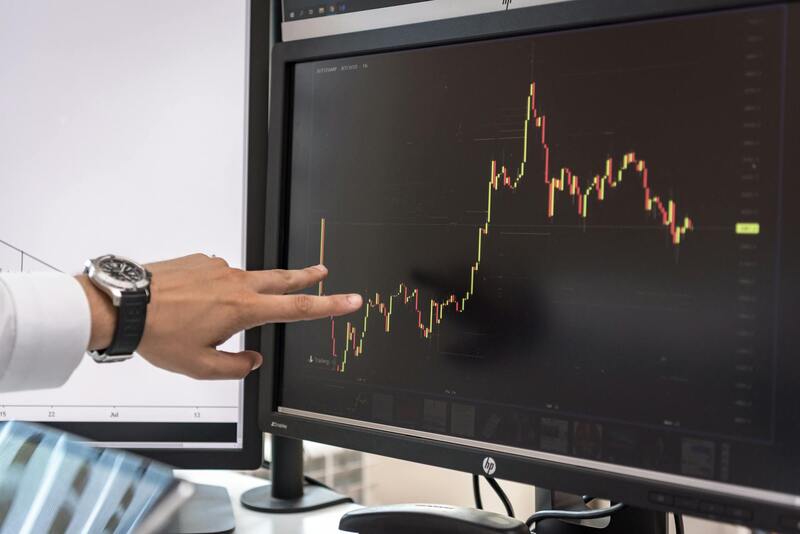
Advanced technological infrastructure supports optimal capital deployment by enabling real-time monitoring of trading activities, risk levels, and liquidity flows. Automated systems facilitate quick reallocation of capital based on market signals and performance metrics, maximizing trading opportunities while minimizing idle capital. Risk controls, including predefined limits and automated stop-loss mechanisms, are integrated within these platforms to prevent overexposure.
Additionally, many firms adopt dynamic funding models that respond to market volatility and trader performance. During periods of high volatility, capital may be shifted toward more liquid and less risky assets. Conversely, during stable periods, firms might allocate more funds to high-growth opportunities, balancing risk with return in a structured and disciplined manner.

Legal, Regulatory, and Ethical Aspects
Operating as a prop trading firm involves adhering to a comprehensive set of legal, regulatory, and ethical standards designed to ensure transparent, fair, and responsible trading practices. These standards are essential for maintaining trust within the financial community and safeguarding the interests of all stakeholders involved, including traders, investors, and the broader markets.
Compliance frameworks established by relevant authorities often require prop trading firms to implement rigorous internal control systems. These include meticulous record-keeping, transparent reporting practices, and clear separation of proprietary trading activities from client relationships. Such measures help to prevent conflicts of interest and promote accountability across the organization.
Moreover, transparency regarding risk management procedures is crucial in demonstrating the firm’s commitment to responsible trading. Firms frequently adopt strict controls around leverage, position limits, and margin requirements to prevent excessive exposure to market fluctuations. Regular audits and oversight by independent bodies reinforce these efforts, ensuring that the firm’s operations conform with established guidelines.

On the ethical front, prop trading firms are expected to cultivate a culture of integrity and professionalism. This involves providing ongoing training for traders and staff on ethical trading practices, market conduct, and the importance of avoiding manipulative or deceptive activities. Embracing ethical principles not only enhances the firm’s reputation but also promotes sustainable growth and stability in trading operations.
Emerging technology plays a growing role in supporting compliance and ethical standards. Automated monitoring tools can detect irregular trading patterns or suspicious behaviors promptly, enabling firms to take corrective actions swiftly. This integration of advanced systems helps to uphold integrity and fosters a compliant trading environment.
It is also important for prop trading firms to stay informed about the evolving regulatory landscape. This includes keeping up with changes in financial regulations, reporting requirements, and industry best practices. Engaging proactively with regulators and industry associations further demonstrates a commitment to legal and ethical practice, which can facilitate smoother operations and reduce potential conflicts with oversight bodies.
Ultimately, adherence to these standards not only preserves the firm's operational integrity but also builds confidence among investors and trading partners. A disciplined approach to legal and ethical responsibilities ensures that the firm’s growth is sustainable and resilient in the face of market and regulatory changes.
Legal, Regulatory, and Ethical Aspects
Operating within the realm of proprietary trading requires strict adherence to established legal, regulatory, and ethical standards. These standards are essential to maintain market integrity, foster investor confidence, and ensure the sustainable operation of prop trading firms. Each jurisdiction imposes specific requirements, which may include registration with regulatory bodies, compliance with reporting obligations, and adherence to market conduct rules.
In many regions, prop trading firms must implement comprehensive internal policies that address compliance issues. This includes maintaining transparent trading records, avoiding market manipulation, and preventing conflicts of interest. Such policies are designed to promote fair trading practices and avoid activities that could be perceived as deceptive or manipulative.
On the ethical front, prop trading firms emphasize integrity, professionalism, and a commitment to transparent practices. Traders are often held to high ethical standards that discourage manipulative tactics, insider trading, or any form of misconduct that can distort markets. Fostering a culture of accountability and ethical behavior is critical to long-term success and reputation management.
The implementation of automated monitoring systems is increasingly common. These advanced tools scan for unusual trading patterns or suspicious behaviors, offering real-time alerts to compliance officers. This automation not only improves oversight but also helps enforce ethical standards across trading operations.

Staying current with evolving regulations involves continuous education and engagement with industry associations and oversight agencies. Prop trading firms must adapt swiftly to regulatory changes to remain compliant, which often includes updating internal policies or enhancing reporting mechanisms. Failing to comply can lead to substantial penalties, reputational damage, or operational restrictions.
Furthermore, transparency with clients, investors, and regulators fosters trust and minimizes misunderstandings. Clear communication about trading strategies, risk controls, and compliance measures reinforces the firm’s commitment to lawful and ethical conduct.
Ultimately, a disciplined approach to legal and ethical standards not only safeguards the firm from regulatory repercussions but also promotes a sustainable business model rooted in trust and integrity. Upholding these principles is paramount for maintaining a reputable presence in the competitive landscape of prop trading.
Advanced Due Diligence and Reputation Management in Proprietary Trading
For a prop trading firm committed to long-term sustainability and market integrity, implementing a comprehensive due diligence process is essential. This process involves verifying the backgrounds of traders, assessing trading strategies for consistent compliance with internal policies, and scrutinizing operational procedures to prevent misuse of capital or unethical behavior. Robust background checks help ensure that traders uphold high standards of professionalism and reduce the risk of misconduct, which could otherwise compromise the firm’s reputation and operational stability.

Effective reputation management extends beyond internal oversight. It encompasses transparent communication with all stakeholders, including investors, clients, and regulatory bodies. Regular disclosures about trading performance, adherence to compliance standards, and proactive responses to any concerns demonstrate the firm's commitment to integrity. Additionally, implementing continuous education programs for traders about industry standards and ethical practices fosters a culture of accountability, further strengthening the firm’s standing in the marketplace.
Utilizing Technology for Monitoring and Compliance
Modern prop trading firms leverage cutting-edge technology to uphold high standards of operational excellence and compliance. Automated trading surveillance systems monitor real-time activity, flagging any irregular or suspicious transactions based on predefined parameters. These tools not only detect potential trading misconduct but also streamline internal review processes, ensuring swift action can be taken when necessary.
Advanced analytics and machine learning algorithms play a crucial role in detecting subtle patterns that may indicate risk or unethical conduct. Integrating these technologies into daily operations helps maintain a transparent environment where traders are aware that their activities are continuously overseen, promoting disciplined trading behavior.
Building Strategic Partnerships and Industry Engagement
Beyond internal controls, engaging with industry associations and regulatory bodies enhances a firm's credibility. Participating in industry forums, workshops, and compliance initiatives provides insights into evolving best practices and regulatory expectations. This proactive approach enables firms to adapt swiftly to new standards and reinforce their commitment to transparent, ethical trading operations.
Establishing partnerships with reputable service providers, such as legal advisors or compliance consultants, further supports adherence to standards. These collaborations assist in developing internal policies aligned with industry norms, conducting regular audits, and ensuring comprehensive training programs are in place for traders and staff.
Handling Investigations and Incident Response
Despite rigorous controls, incidents of trading irregularities may occur. A well-structured incident response plan allows firms to investigate promptly and thoroughly. This includes establishing clear procedures for internal inquiries, collecting relevant data, and cooperating with regulatory investigations. Transparent and timely communication during such episodes helps mitigate damage and reaffirms the firm’s dedication to ethical standards.
Following an incident, conducting root-cause analyses and implementing corrective measures are vital steps in preventing recurrence. Continuous review and improvement of compliance programs safeguard the firm’s reputation, reinforce stakeholder confidence, and support operational resilience.
Maintaining a Sustainable Business Ecosystem
The integrity of a prop trading firm is rooted in its commitment to lawful and ethical trading practices. Achieving this involves continuously refining internal controls, embracing technological solutions, fostering industry engagement, and Upholding transparency in all activities. This comprehensive approach not only sustains the firm’s reputation but also enhances its ability to adapt to dynamic market conditions, ensuring long-term viability and competitive advantage.
