
Prop Firms Trading: Key Insights And Strategies For Proprietary Trading
Understanding Prop Firms and Their Role in Trading

Proprietary trading firms, commonly referred to as prop firms, serve a pivotal role within the financial trading landscape. These organizations specialize in trading financial instruments—such as stocks, commodities, forex, and derivatives—using their own capital rather than client funds. The primary objective of prop firms is to generate profits through leveraging their resources, sophisticated trading strategies, and technological infrastructure.
Unlike traditional asset management or brokerage firms, prop trading entities focus solely on the act of trading to earn returns. They recruit talented traders, provide them with substantial trading capital, and support their activities with advanced analytical tools, cutting-edge technology, and rigorous risk management protocols. This environment fosters an innovative and competitive atmosphere, where traders are incentivized to maximize performance within structured guidelines.
At the core of prop trading operations is the provision of capital—an essential element that empowers traders to execute significant positions without the constraints commonly faced in personal accounts. This access to ample funds allows traders to implement various trading strategies, including high-frequency trading, swing trading, and long-term positioning, depending on the firm's focus and risk appetite.
Proprietary trading firms also contribute significantly to market liquidity and efficiency. They often employ sophisticated trading algorithms and high-speed execution systems to capitalize on minute discrepancies in pricing and market movements. Their active participation helps facilitate smoother market operations and provides opportunities for other market participants.
For traders, engaging with prop firms opens avenues for access to capital that might be difficult to obtain independently. It provides a structured environment with professional support, risk controls, and clearer profit-sharing models. For the firms, it creates a revenue stream through successful trading activity and a competitive edge in high-volume markets.
In essence, prop firms are integral to the modern trading ecosystem, bridging the gap between individual talent and substantial financial resources. Their operational model combines expert risk management, innovative trading strategies, and technological advancement to deliver value not only to the firms themselves but also to the broader financial markets they help shape.

Types of Prop Trading Firms and Business Models
Proprietary trading firms vary significantly in their operational structures, strategic focus, and business models. Understanding these differences is essential for traders aiming to join reputable firms that align with their trading style and objectives.
- Market Makers and Liquidity Providers: These firms focus on providing liquidity to markets by continuously quoting buy and sell prices for securities. Their revenue largely depends on the bid-ask spread and trading volume, making their operational strategies heavily reliant on speed and technological infrastructure.
- High-Frequency Trading (HFT) Firms: Specializing in executing a vast number of trades within fractions of a second, HFT firms capitalize on minute price discrepancies. Their success hinges on ultra-low latency systems, advanced algorithms, and sophisticated data analysis tools.
- Swing Trading and Positioning Firms: These firms typically engage in medium-term trading, holding positions over days or weeks. They often employ fundamental analysis, technical analysis, or a combination of both to identify opportunities with larger profit margins.
- Hybrid Models: Some proprietary firms combine multiple strategies, managing a diversified portfolio of trading approaches to mitigate risks and optimize profits. They integrate algorithmic trading with manual decision-making, guided by experienced traders and advanced risk management protocols.

How Traders Engage with Prop Firms
For traders aiming to collaborate with proprietary trading firms, understanding the onboarding process, operational expectations, and ongoing support is vital. Entry typically involves a rigorous evaluation period, which assesses a trader’s skills, discipline, and consistency.
During the recruitment process, firms often require traders to demonstrate their trading acumen through simulated accounts, recorded trading histories, or performance metrics. Once accepted, traders gain access to the firm’s trading platform, capital allocation, and risk management frameworks.
Execution within prop firms is guided by strict trading rules designed to safeguard both the trader and the firm. These include adherence to risk limits, maximum daily loss thresholds, and diversified trading strategies. Many firms offer ongoing mentorship, analytics, and training to enhance trader performance and foster continuous improvement.

Risk Management and Trading Rules in Prop Firms
Effective risk management is the cornerstone of sustainable prop trading operations. Firms implement comprehensive policies, including:
- Pre-defined maximum loss caps per trading day or session
- Position size limitations based on account equity and market volatility
- Real-time monitoring systems that alert on abnormal trading activity or risk exposure
- Procedures for halting trading in volatile conditions to prevent outsized losses
These measures ensure a disciplined trading environment, promoting consistency while protecting the firm’s capital. Transparency in risk protocols also fosters trust and emphasizes the importance of responsible trading practices.
Funding, Profit Splits, and Incentives
Trade funding models differ across prop firms, but common elements include profit-sharing arrangements, performance bonuses, and scaling opportunities. Typical structures involve:
- Initial capital provided by the firm, with traders managing specific accounts
- Profit splits that allocate a percentage of gains to traders, often ranging from 50% to 80%, depending on the firm’s policies
- Performance-based incentives, including bonuses for achieving milestones or consistent profitability
- Scaling rules that increase traders’ capital allocation upon demonstrated success
These models motivate traders to optimize their strategies while aligning their interests with the firm’s profitability goals.
Advantages and Challenges of Prop Trading
Engaging with proprietary trading firms offers notable benefits, such as access to substantial trading capital, advanced technology, and professional risk management support. Traders can leverage these resources to amplify their trading impact and pursue diverse strategies.
However, challenges also exist, including the high standards for trader evaluation, stringent risk controls, and the pressure to deliver consistent results. Success in prop trading requires disciplined execution, continuous skill development, and an understanding of the firm’s operational environment.

Understanding Prop Firms and Their Role in Trading
Proprietary trading firms, commonly known as prop firms, play a significant role in the financial trading landscape by providing traders with essential resources such as capital, technology, and operational support. These firms serve as platforms where professional traders can execute trades using the firm's funds, aiming for mutual benefits through profit sharing and risk management. Unlike retail trading, where individual traders risk personal capital, prop firms empower traders by offering substantial leverage and sophisticated trading tools, enabling them to pursue diverse strategies, including day trading, swing trading, and algorithmic approaches. The core function of prop firms is to facilitate high-volume trading activities while maintaining robust risk controls to protect both the firm's and traders' interests.

Key Components of Prop Trading Operations
- Funding Allocation: Prop firms allocate trading capital to skilled traders based on various assessment metrics and proven capabilities.
- Profit Sharing: Traders typically receive a percentage of the profits generated, which incentivizes performance and strategic execution.
- Risk Management: These firms implement strict risk controls, including trading limits and stop-loss rules, to mitigate losses and ensure sustainable operations.
- Advanced Tools: Traders gain access to cutting-edge trading platforms, analytical tools, and real-time market data, enhancing decision-making processes.
- Performance Incentives: Consistent profitability can lead to increased capital allocation and bonuses, motivating traders to refine their skills continuously.
The Relationship Between Prop Firms and Traders
The synergy between prop firms and traders centers on performance. Traders bring strategies and execution skills, while prop firms provide the resources and infrastructure necessary for high-level trading. This relationship requires disciplined adherence to trading rules and risk protocols, fostering an environment where professional growth aligns with the firm's profitability goals. Importantly, evaluation phases often precede full integration, during which traders demonstrate their aptitude and consistency in a controlled environment before accessing significant capital.

Effective risk management and operational discipline are critical for success in prop trading, providing a stable foundation for sustainable profit generation.
Understanding Prop Firms and Their Role in Trading
Proprietary trading firms, commonly referred to as prop firms, serve as catalysts for professional traders seeking access to substantial trading capital and sophisticated resources. These entities act as partners rather than traditional employers, providing traders with the financial backing to execute larger trades and leverage advanced technology. The core function of a prop firm is to identify talented traders, train and support them, and share in the profits generated from their trading activities. This partnership-centric model enables traders to maximize their potential and focus on strategy execution without the constraints typically associated with personal capital limitations.

Types of Prop Trading Firms and Business Models
Prop firms employ various operational models tailored to their strategic goals and regulatory environment. The most common structures include:
- Funding-Only Models: These firms primarily allocate their own capital to traders who pass through an evaluation or trading performance phase. Once approved, traders receive an account with a predefined trading budget.
- Evaluation/Assessment Models: Firms implement structured testing periods where traders demonstrate consistent profitability and adherence to risk parameters. Successful traders are then granted access to larger trading accounts.
- Hybrid Models: Combining elements of funding-only and evaluation models, these firms may offer ongoing training or mentoring while gradually increasing capital allocation based on performance metrics.
Some firms operate on profit-sharing arrangements, where traders receive a percentage of the profits, aligning incentives and encouraging disciplined, strategic trading. Others may offer fixed salary structures complemented by performance bonuses. The choice of business model often correlates with the firm's target trader profile and operational philosophy.
Official and Legitimate Methods for Prop Trading Engagement
Engaging with a reputable prop firm involves following well-established avenues that prioritize transparency and adherence to industry standards. These sanctioned methods typically include:
- Application Through Official Platforms: Traders apply directly on the firm's official website or authorized partner channels, submitting relevant trading history, experience, and personal information for evaluation.
- Evaluation Programs: Participation in structured assessment processes designed to test trading skills and risk management practices. Successful completion often leads to account funding and access to the firm's full trading resources.
- Certification and Compliance: Some firms require traders to pass compliance checks and prove proficiency in risk management, ensuring alignment with the firm's operational standards.
Choosing legitimate channels for engagement guarantees a secure trading environment and protects traders from potential scams or unverified offers. It also solidifies the relationship based on mutual trust and adherence to established trading practices.

Strategies for Securing Funding and Ensuring Compliance
Establishing a strong foundation for prop trading begins with understanding the precise steps necessary to secure funding through reputable channels. The process often involves a comprehensive application submitted via the firm’s official website or authorized partner platforms, where traders provide detailed trading histories, risk management profiles, and personal credentials. This meticulous vetting process is designed to ensure traders possess the necessary skills and discipline to operate within the firm's risk parameters and trading strategies.
Participation in evaluation programs is a common phase in the onboarding process. These assessments may include simulated trading challenges or real-money trials, aimed at gauging a trader’s ability to manage risk and adhere to specific trading rules. Successful completion of these programs not only leads to account funding but also demonstrates a trader’s commitment to responsible trading practices.
Some firms implement certification procedures that verify a trader's proficiency in essential areas such as market analysis, trade execution, and risk control. Passing these checks affirms that the trader aligns with the firm’s standards and facilitates a smoother transition into funded trading accounts.
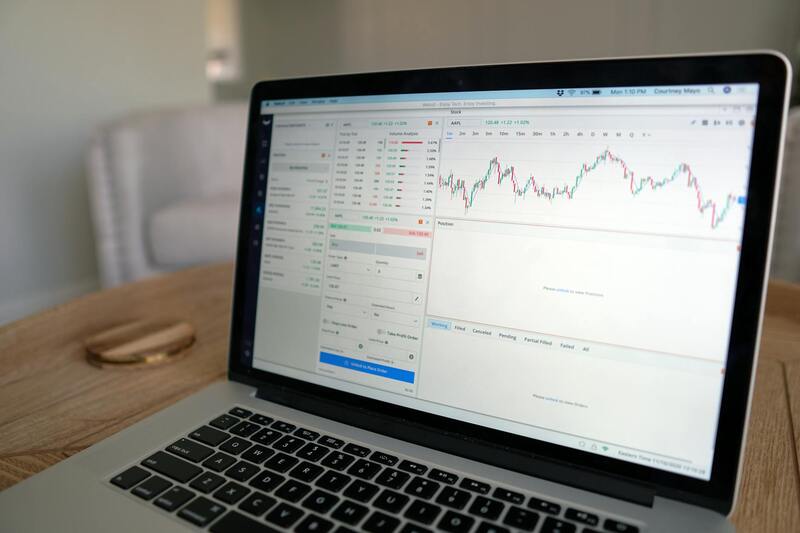
Engaging through these official channels ensures traders operate in a secure and regulated environment, significantly reducing exposure to fraudulent schemes or unauthorized offers. It also promotes transparency, fostering a professional partnership based on mutual understanding and adherence to best practices in the industry.
Building a Profile that Meets Prop Firm Standards
Creating a compelling trading profile is crucial for gaining acceptance into a prop firm's program. This involves maintaining detailed records of trading performance, demonstrating consistent profitability, and showing disciplined risk management. Traders should focus on developing a documented history that emphasizes their ability to trade responsibly under various market conditions, aligning with the firm's operational standards.
Additionally, continuous education and certification in relevant trading methodologies enhance credibility. Many firms value traders who actively update their skills and stay informed about market trends, which can lead to better risk-adjusted returns and a more sustainable trading career within the prop trading environment.

Adherence to Trading Rules and Ongoing Compliance
Successful engagement with prop trading firms necessitates strict adherence to established trading rules and risk limits. These rules are typically crafted to protect both the trader and the firm’s capital, emphasizing prudent position sizing, stop-loss orders, and adherence to trading schedules. Regular monitoring by the firm ensures compliance, with any deviations potentially resulting in account suspension or review.
Beyond initial approval, traders are often required to participate in ongoing compliance checks and periodic performance assessments. This ongoing oversight encourages disciplined trading habits, fosters risk-aware decision-making, and aligns individual trader goals with the overall risk management framework of the firm.
Utilizing risk management tools provided by the firm, such as real-time monitoring dashboards and automated alerts, helps traders stay within prescribed boundaries. Such measures are vital to maintaining the integrity of the trading account and safeguarding against impulsive or excessive risk-taking.
Funding, Profit Splits, and Incentives
Funding arrangements in proprietary trading companies are fundamental to how traders perform and are compensated. Typically, traders gain access to capital provided by the firm after passing a rigorous evaluation process that demonstrates their skill and risk management capabilities. These initial assessments often involve simulated trading environments, where traders must meet specific profitability targets within defined risk parameters.
Once funded, traders are allowed to execute live trades using the firm’s capital, with their performance directly impacting their earnings. Profit sharing is a crucial aspect of this relationship, generally structured as a pre-agreed percentage split. The percentage distribution varies across firms but commonly ranges from 50% to 80% in favor of the trader, reflecting their performance contribution and trading skills.
Incentive structures are designed to motivate consistent and disciplined trading, often incorporating tiered profit splits that reward traders for exceeding benchmarks or achieving sustained profitability. Some firms implement performance bonuses or additional incentives for traders who manage risk effectively or innovate trading strategies that generate consistent returns.

Transparency and clarity regarding profit splits and incentives are vital to establishing a trustworthy environment. Many reputable firms provide detailed documentation outlining payout schedules, thresholds for additional rewards, and conditions for retaining funding. These policies aim to foster an environment where skilled traders can thrive, leveraging the firm’s resources while maintaining a focus on sustainability and disciplined risk management.
Performance and Revenue Sharing Metrics
- Set profit targets aligned with market conditions.
- Maintain compliance with risk parameters.
- Achieve consistent returns over specified periods.
- Engage in ongoing evaluation to optimize trading strategies.
By incentivizing traders through fair and transparent profit-sharing arrangements, prop firms ensure that talented traders are rewarded for their skill, fostering long-term profitability for both parties. This setup encourages traders to hone their strategies, adhere to risk controls, and sustain high-performance levels, ultimately contributing to the stability and growth of the prop trading ecosystem.
Understanding Prop Firms and Their Role in Trading
Proprietary trading firms, or prop firms, serve as platforms where individual traders can utilize the firm's capital to execute trades across various financial instruments such as stocks, forex, commodities, and indices. These firms typically provide traders with the necessary infrastructure, including trading platforms, research tools, and risk management systems, enabling them to operate at a professional level without risking their own funds. The core purpose of a prop firm is to leverage the skills and strategies of proficient traders to generate profits, which are then shared between the firm and the trader, fostering a mutually beneficial relationship.
Types of Prop Trading Firms and Business Models
Prop firms operate under various models that cater to different trader profiles and risk appetites. Some prime categories include:
- Funding Model: Traders are evaluated through comprehensive testing phases or trading simulations, after which successful candidates receive funded accounts. The firm supplies capital, and traders operate within predefined risk and trading parameters.
- Consortium or Partnership Model: Experienced traders and firms collaborate by pooling resources and sharing profits. This model often involves a more significant risk-sharing agreement and is suited for seasoned traders with a proven track record.
- Leverage-Based Model: Firms provide higher-than-market leverage, allowing traders to maximize position sizes. However, this model demands disciplined risk controls to prevent large-scale losses.
Business Operations and Revenue Streams
Most prop firms generate revenue predominantly through trading commissions and a share of profits. Accurately structured profit-sharing arrangements ensure traders are incentivized to maximize returns while adhering to risk limits. Additionally, some firms derive income from offering educational resources, proprietary algorithms, or technological tools that aid traders in executing highly efficient trades.

How Traders Engage with Prop Firms
Prospective traders typically undergo rigorous evaluation to demonstrate their trading ability and discipline. This process involves phases such as:
- Application and Profile Assessment: Traders submit their trading history, strategies, or pass testing phases designed by the prop firm.
- Trading Evaluation: During this phase, traders are asked to demonstrate consistent profitability while managing risk within prescribed limits. This evaluation may last from a few weeks to several months, focusing on aspects such as trade execution, risk control, and adaptability.
- Funded Trading Status: Successful traders receive access to the firm's capital and begin trading under official agreements and operational guidelines.
Throughout their engagement, traders must comply with firm-specific rules, which often include maximum drawdown limits, permissible trading hours, and allowed instruments. Regular performance reviews and feedback sessions help traders refine their strategies and ensure alignment with the firm's objectives.
Restrictions and Compliance Requirements
To sustain their funded status, traders are usually bound by strict risk management protocols. These include maximum loss thresholds per day, limits on position sizes, and restrictions on trading certain volatile instruments during specific market conditions. Maintaining discipline and transparency during trading activities is critical for traders to retain their funding and access ongoing resources.
Risk Management and Trading Rules in Prop Firms
Robust risk management protocols underpin the operational integrity of prop firms. They are designed to safeguard both the firm's capital and the traders' livelihoods. These mechanisms typically involve:
- Pre-Trade Risk Controls: Limit orders, stop-loss mechanisms, and automated monitoring systems prevent traders from exceeding predefined risk parameters.
- Daily Loss Limits: Most firms enforce maximum daily loss limits to avoid significant capital erosion, with traders required to cease trading if thresholds are met.
- Position and Exposure Caps: Restrictions on the size of individual trades or total open positions ensure diversified and controlled exposure.
- Trade Review and Compliance: Continuous monitoring guarantees adherence to trading rules, with violations potentially leading to account suspension or termination of funding.
Implementing Effective Risk Protocols
Successful prop firms often incorporate advanced technology systems that automatically enforce risk limits, reducing human error and emotional trading. Additionally, regular training on risk awareness, market conditions, and disciplined trading practices helps traders uphold compliance and sustain profitability. Clear documentation of risk management policies reassures traders of fair treatment and promotes a culture of responsibility and integrity within the firm.
Comprehensive Evaluation of Commercial Funding and Ongoing Support in Prop Trading
For traders operating within the domain of proprietary trading firms, securing continued access to capital and resources hinges on more than just initial funding agreements. It's crucial to understand how to sustain trading viability through transparent and structured communication channels, adherence to firm policies, and ongoing professional development.
Transparent Communication and Regular Performance Reviews
Effective communication with your prop firm involves regular performance assessments and feedback sessions. Many firms conduct scheduled reviews to evaluate a trader’s adherence to risk management protocols, profitability metrics, and overall consistency. These reviews facilitate a clear understanding of expectations and allow traders to identify areas for improvement. Maintaining transparent records of trading activities, including trade logs and risk parameters, supports these evaluations and demonstrates a trader’s commitment to disciplined trading practices.
Adherence to Trading Journals and Protocols
Most reputable prop firms require traders to keep detailed trading journals. These journals help both the trader and the firm monitor trading patterns, decision-making processes, and adherence to rules. Accurate documentation ensures accountability and can provide evidence of compliance during audits or performance reviews. It also helps traders recognize personal strengths and weaknesses, enabling targeted skill development and strategic adjustments to improve profitability.

Ongoing Training and Skill Development Programs
Prop firms often invest in continuous education to enhance their traders' skill sets and market understanding. These may include webinars, workshops, mentorship programs, or access to analytical tools and resources. Engaging in these initiatives allows traders to stay current with market trends, refine their strategies, and uphold high standards of professionalism. Regular training also reassures the firm of a trader’s commitment to growth, which can influence decisions regarding funding and resource allocation.
Leveraging Technology for Performance Monitoring and Risk Control
Advanced trading platforms equipped with real-time analytics and automated risk management features are essential in modern prop trading environments. These tools enable seamless oversight of trading activities and enforce limits on position sizes, stop-loss levels, and loss caps instantly. Traders benefit from these technologies by reducing emotional biases, ensuring consistent discipline, and maintaining compliance with firm policies. Continuous updates and upgrades in trading software also foster an environment of innovation and adaptability, essential for long-term success.
Building a Professional Relationship with the Prop Firm
Fostering trust and mutual commitment with your prop firm is fundamental for sustained trading success. Regularly communicating about trading challenges, market insights, and performance expectations nurtures a collaborative relationship. Demonstrating professionalism, responsibility, and ethical trading practices contributes to a positive reputation within the firm, which can lead to increased funding, higher profit splits, and access to more sophisticated resources.
Monitoring and Adjusting Trading Strategies
Continuously analyzing trading results and market conditions allows traders to adapt strategies proactively. This iterative process involves reviewing trade metrics, assessing the impact of new approaches, and refining risk controls accordingly. By maintaining a flexible mindset and a disciplined approach, traders can navigate changing market dynamics effectively while reinforcing their commitment to responsible trading practices.
Summary
Securing ongoing backing from a prop trading firm relies heavily on transparent communication, rigorous adherence to risk management policies, continuous professional development, and strategic use of technology. Building a strong, professional relationship based on trust and performance enables traders to access ongoing resources and grow their trading careers within reputable firms.
Related Tags
