
Proprietary Trading Tools: Key Features And Strategies For Traders
Overview of Proprietary Trading Tools
Proprietary trading tools are specialized software solutions designed to empower traders with advanced analytics, risk management capabilities, and execution efficiency. These tools serve as crucial assets within trading environments, enabling traders to leverage technological innovations that enhance decision-making processes and improve overall trading performance. By integrating proprietary trading tools, traders can access real-time market data, automate complex trading strategies, and maintain comprehensive oversight of their positions, thereby optimizing their approach in competitive financial markets. The purpose of these tools extends beyond basic trade execution; they are tailored to facilitate strategic analysis, streamline operational workflows, and uphold consistent risk management standards. As trading ecosystems evolve, the deployment of such tools represents a cornerstone in transforming raw market data into actionable insights, leading to more disciplined and effective trading outcomes.

Types of Proprietary Trading Software
Proprietary trading software encompasses a diverse range of applications tailored to meet various trading strategies and operational needs. Key types include:
- Algorithmic Trading Platforms: Automate trade execution based on predefined algorithms, allowing for rapid response to market changes without manual intervention.
- Risk Management Systems: Provide real-time monitoring of exposure levels, simulate risk scenarios, and enforce risk mitigation protocols.
- Market Data Analytics Tools: Aggregate and analyze vast streams of market data to identify trends, patterns, and opportunities.
- Trade Execution Engines: Optimize order placement and routing to maximize fill rates and minimize transaction costs.
- Portfolio Management Software: Offer comprehensive oversight of trading accounts, performance metrics, and compliance tracking.
Key Features of Proprietary Trading Tools
Effective proprietary trading tools are characterized by several core features that drive performance and security:
- Real-Time Data Access: Instantaneous market information to inform swift trading decisions.
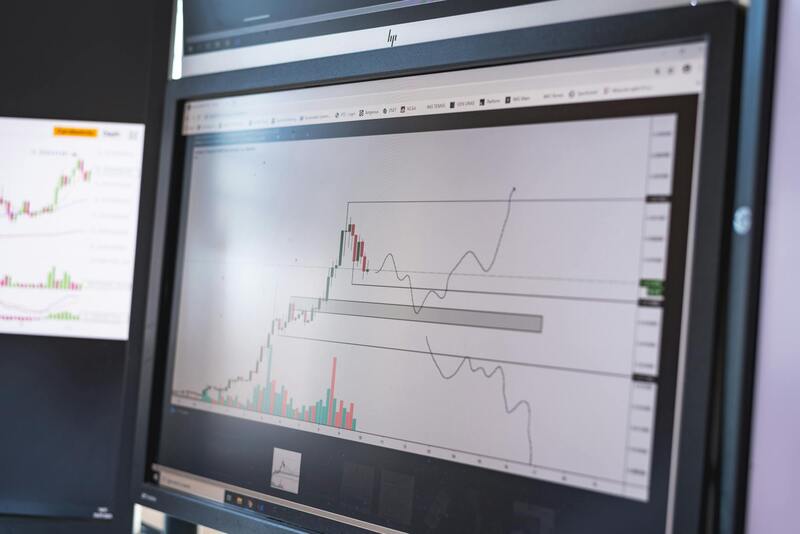
- Advanced Charting and Analytics: Visual tools to identify technical signals and evaluate market conditions.
- Automated Trading Capabilities: Seamless integration of algorithms for autonomous trading operations.
- Customizable Interfaces: Adaptability to individual trading styles and preferences.
- Robust Risk Controls: Limit orders, stop-loss features, and exposure caps to manage downside risks effectively.
Components of a Trading Toolbox
A comprehensive trading toolbox combines various software elements and hardware setups to create an efficient trading environment. Core components include:
- Market Data Feed Subscriptions
- Trading Algorithm Scripts
- Order Management Systems
- Performance Tracking Modules
- Security Protocols for Data Integrity

Selecting the Right Trading Tools
Choosing suitable proprietary trading tools involves assessing specific trading objectives, technological compatibility, and operational support. Traders should consider:
- Compatibility with existing trading infrastructure
- User interface and ease of use
- Scalability to accommodate trading volume growth
- Availability of analytical and automation features
- Vendor support and ongoing updates
Implementation and Usage of Trading Tools
Successful deployment of trading tools requires careful planning and training. Steps include:
- Conducting comprehensive testing in simulation environments
- Integrating tools seamlessly with trading platforms
- Providing adequate training for traders and support staff
- Establishing protocols for monitoring tool performance
- Adapting operational procedures based on feedback and performance metrics
Security and Compliance Considerations
Securing trading tools and associated data is essential for maintaining operational integrity and trust. Best practices involve:
- Implementing multi-factor authentication
- Ensuring encrypted data transmission
- Regular software updates and vulnerability scans
- Maintaining detailed activity logs for audit purposes
- Adhering to industry standards and regulatory requirements
Future Trends in Proprietary Trading Tools
Emerging developments include the integration of artificial intelligence and machine learning algorithms to enhance predictive analytics, the adoption of cloud-based solutions for greater flexibility, and the development of more intuitive interfaces to simplify complex functions. Continuous innovation aims to provide traders with more precise, faster, and adaptable tools that align with evolving market dynamics and technological advances.
Types of Proprietary Trading Software
Proprietary trading firms rely on a diverse range of software tailored to meet the specific needs of active trading operations. These tools are designed to enhance efficiency, improve accuracy, and provide critical insights into market behaviors. Understanding the main categories of trading software can help stakeholders select the most appropriate solutions for their particular strategies.
- Algorithmic Trading Platforms: These platforms enable traders to develop, test, and deploy automated trading algorithms. They utilize complex mathematical models to execute trades at optimal times, often faster than manual trading. Robust algorithmic platforms also support backtesting and strategy optimization, ensuring that trading models are refined before going live.
- Charting and Technical Analysis Software: Essential for traders who rely on technical indicators, charting software provides advanced visualization tools to analyze market trends. Features include customizable charts, pattern recognition, and real-time data feeds, facilitating swift decision-making based on historical and live data trends.
- Risk Management Tools: Risk mitigation is vital in prop trading, where leverage and rapid market movements can lead to significant financial exposure. Risk management systems help monitor positions, set stop-loss orders, and calculate potential drawdowns, enabling traders to manage exposure proactively.
- Execution Management Systems (EMS): These systems streamline order placement and execution across various trading venues. EMS solutions help ensure swift, accurate order execution, minimizing slippage and enhancing overall trading efficiency.
- Data Analysis and Market Intelligence Platforms: Proprietary trading firms depend on deep market insights derived from data analysis tools. These platforms aggregate vast amounts of market data, news feeds, and economic indicators to support informed trading decisions.
Key Features of Proprietary Trading Tools
An effective suite of proprietary trading tools encompasses several key features that enhance trading performance and operational reliability. These features include:
- Real-time Data Processing: Access to live market data ensures traders react swiftly to market movements, reducing latency and improving execution quality.
- Customizable Interfaces: Tailoring interfaces allows traders to organize workflows, display critical metrics, and personalize dashboards for efficiency.
- Automation Capabilities: Automated trading algorithms help capitalize on opportunities without manual input, increasing speed and consistency.
- Backtesting and Simulation: Simulated environments enable thorough testing of strategies to assess potential performance under various market conditions.
- Integration Support: Compatibility with multiple data sources and trading platforms allows seamless operation within existing infrastructure.
- Robust Security Measures: Encryption, access controls, and activity logs safeguard sensitive information and system integrity.
Components of a Trading Toolbox
A comprehensive trading toolbox combines hardware and software components strategically integrated to support the entire trading lifecycle. Components typically include:
- Powerful hardware servers for high-speed data processing
- Reliable network connections ensuring minimal latency
- Specialized trading software tailored to specific strategies
- Analytical tools for market research
- Secure storage solutions for transaction and activity logs
- Monitoring dashboards for real-time oversight
Selecting the Right Trading Tools
Choosing appropriate trading tools involves assessing several factors to maximize their effectiveness:
- Compatibility with existing trading infrastructure
- Capability to handle current and anticipated trading volume
- Ease of use and user interface design
- Availability of technical support and updates
- Customization options to align with specific trading strategies
- Transparency of data processing and decision-making algorithms

By focusing on official, well-established solutions and leveraging expert insights, proprietary trading firms can build a robust technological foundation that supports sustainable growth and competitive advantage within dynamic markets.
Key Features of Proprietary Trading Tools
Proprietary trading tools are designed with advanced features that empower traders to execute strategies with precision and agility. Among these, automation plays a critical role, enabling traders to set algorithms that execute trades without manual intervention, thereby reducing emotional influence and increasing efficiency. Automation also allows for rapid response to market movements that can be too swift for manual execution, especially in high-frequency trading environments.
Real-time analysis is another cornerstone feature, offering traders instant access to market data, news feeds, and technical indicators. This capability ensures that decisions are based on up-to-the-minute information, which is essential in volatile markets. Customizable algorithms allow traders to tailor strategies to their specific risk appetite and trading goals, fostering a more personalized approach to market participation. These algorithms can incorporate a variety of technical and fundamental signals, adapting to new data points or market conditions seamlessly.
Integration capabilities are vital for a comprehensive trading ecosystem. Proprietary tools must seamlessly connect with existing trading platforms, data feeds, and risk management systems to provide a unified interface for traders. Such integration minimizes manual data entry, reduces errors, and accelerates decision-making processes. Moreover, scalable architecture supports growth, allowing for the addition of new functionalities or increased data streams as trading activities evolve.

Components of a Trading Toolbox
A well-designed trading toolbox integrates multiple hardware and software elements that collectively sustain the entire trading lifecycle. Critical hardware includes high-performance servers that manage substantial data processing loads, minimizing latency and ensuring rapid execution of trades. Reliable network connections are essential to facilitate uninterrupted data flow, especially during periods of heightened market activity.
On the software side, traders utilize specialized trading platforms that support strategy execution, risk management, and order placement. Analytical tools such as charting software, market scanners, and news aggregators provide insights necessary for strategic decisions. Secure storage solutions are implemented for maintaining transaction records, logs, and compliance documentation, facilitating transparency and accountability.
Monitoring dashboards are indispensable for real-time oversight, allowing traders and risk managers to track system performance, market conditions, and open positions. These dashboards can generate alerts based on predefined criteria, assisting in swift intervention when necessary.

Selecting the Appropriate Trading Tools
The selection process for trading tools requires meticulous evaluation to align technological capabilities with strategic objectives. Compatibility with existing infrastructure ensures seamless operation, reducing setup time and operational disruptions. Traders must assess whether the tools can handle current trading volumes and are scalable enough to accommodate future growth.
User-friendly interfaces contribute to quicker adoption and reduce the learning curve, enabling traders to focus more on strategy rather than navigation. Access to technical support and regular updates play a vital role in maintaining operational continuity and security. Customization options allow firms to adapt tools to their unique strategies, offering flexibility in execution.
Furthermore, transparency in data processing and algorithmic decision-making fosters confidence in the tools, ensuring that trading activities are aligned with compliance and operational standards. By prioritizing these factors, firms can establish a robust technological foundation that enhances efficiency and competitiveness in dynamic markets.
Components of a Trading Toolbox
Proprietary trading environments rely heavily on a well-rounded suite of tools that enhance precision, speed, and strategic depth. The core components include advanced data analytics platforms, rapid order execution systems, and comprehensive backtesting platforms. These elements collectively form a robust trading toolkit that empowers traders to analyze market data efficiently, execute trades with minimal latency, and refine strategies based on historical performance.
Data analytics tools serve as the backbone of informed decision-making, providing real-time insights into market trends, volatility indices, and price movements. They incorporate sophisticated algorithms to identify patterns and anomalies that might precede significant shifts. Order execution systems prioritize speed and accuracy, leveraging direct market access (DMA) and low-latency networks to ensure trades are completed at optimal prices. Backtesting platforms allow traders to simulate strategies against historical market data, validating their effectiveness before deployment in live trading scenarios.

System Integration and Interoperability
Successful proprietary trading setups combine these components into a seamless ecosystem. This integration minimizes delays and errors that could impact trading outcomes. Compatibility with existing hardware and software infrastructure ensures a cohesive environment, where data flows smoothly between analytics, execution, and management modules. Many platforms support customization, enabling users to tailor dashboards and workflows to meet specific trading strategies and risk management protocols.
Data Management and Visualization
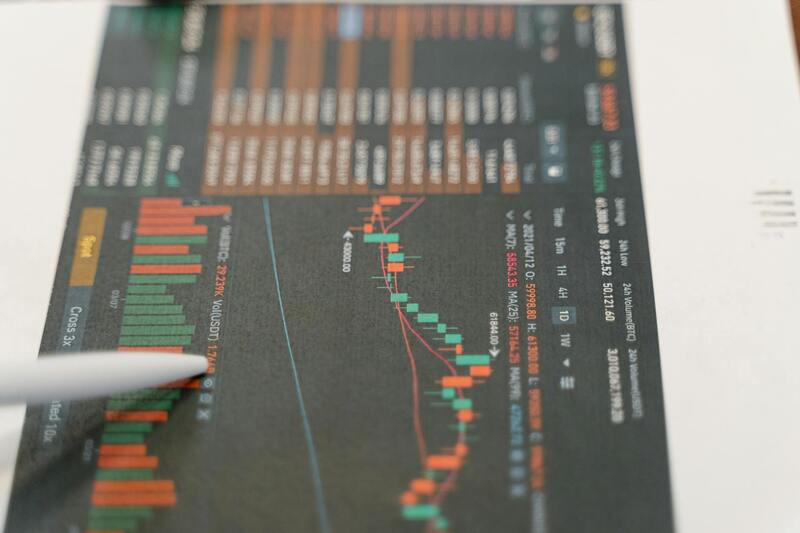
An integral part of a comprehensive trading toolkit is effective data management and visualization capabilities. Traders require clear, intuitive displays of complex data sets to facilitate quick decision-making. Real-time charts, heat maps, and alert systems are instrumental in monitoring market conditions. The ability to customize views and set thresholds for alerts enhances responsiveness, allowing traders to act swiftly on emerging opportunities or risks.
Automation and Algorithmic Trading Modules
The automation of trading strategies through algorithmic modules largely depends on proprietary software capabilities. These modules execute predefined criteria automatically, reducing human error and enabling trading 24/7. Integration of machine learning models can further refine decision-making processes, adapting strategies based on evolving market dynamics. Traders benefit from simulation features that test these algorithms under various scenarios, ensuring robustness before live deployment.
Conclusion
Having a comprehensive set of proprietary trading tools tailored to operational needs is essential in maintaining an edge in competitive markets. They not only improve execution quality and risk management but also enable continuous strategic refinement. By focusing on powerful data analysis, swift order handling, and seamless integration, firms can build resilient and adaptable trading systems that withstand the rigors of today’s fast-paced financial landscapes.
Components of a Trading Toolbox
When constructing an efficient proprietary trading setup, understanding the core components of a comprehensive trading toolbox is fundamental. These components work synergistically to provide traders with the insights, automation, and control necessary to execute complex strategies efficiently. The main elements include advanced charting and analysis platforms, order execution systems, risk management modules, and data feeds, each playing a vital role in enhancing trading performance.
Advanced Charting and Analysis Platforms
Modern trading tools rely heavily on sophisticated charting software that offers multiple timeframes, customizable indicators, and pattern recognition capabilities. These platforms enable traders to identify technical setups, trend continuations, or reversals with clarity. Additionally, integration with news feeds and economic calendars helps traders stay aware of market-moving events, ensuring they can react promptly to external stimuli affecting asset prices.
Order Execution Systems
Efficient order execution is crucial in high-frequency trading environments or strategies requiring rapid entry and exit. Proprietary trading tools often feature direct market access (DMA), low-latency order routing, and smart order algorithms that optimize fill prices and minimize market impact. Fast, reliable execution reduces slippage and enhances the overall profitability of trading operations.
Risk Management Modules
Risk controls are embedded within proprietary platforms through capital allocation rules, stop-loss orders, and real-time position monitoring. Risk management modules allow traders to set predefined thresholds for loss limits, asset exposure, and drawdowns, providing automatic safeguards during volatile market conditions. These features are essential for preserving capital and maintaining consistent account growth.
Data Feeds and Market Information
Reliable, high-quality data feeds underpin effective decision-making. These deliver real-time market prices, depth of market data, and economic indicators, enabling traders to perform timely technical and fundamental analyses. Integration with news aggregators offers contextual insights into market events, facilitating comprehensive assessments before executing trades.

Importance of System Integration
For maximum effectiveness, all components of a trading system must be seamlessly integrated. Compatibility among software modules ensures smooth data flow, synchronized order execution, and centralized risk management. Proper integration reduces the chances of technical issues during critical trading periods, ensuring operational reliability.
Customization and Scalability
Modern proprietary trading tools emphasize flexibility, allowing traders to customize dashboards, indicators, and automation scripts. Scalability is also a key factor, supporting the addition of new tools, data sources, and strategies as trading needs evolve. This adaptability is fundamental for traders aiming to remain competitive in rapidly changing markets.
Implementation and Usage of Trading Tools
Successfully deploying proprietary trading tools requires a strategic approach that maximizes their potential while minimizing operational risks. Traders should begin by carefully assessing each tool within their trading environment through comprehensive testing phases. This involves simulating real-market conditions to evaluate performance, responsiveness, and compatibility with existing systems. Such testing ensures that tools function reliably during live trading sessions, providing confidence in their deployment.
Adapting tools to evolving market conditions is crucial. Traders need to tailor parameters such as risk limits, order execution strategies, and analytical parameters to align with current volatility levels and liquidity conditions. Continual monitoring is essential, with regular reviews of tool performance and settings adjustments based on market feedback. Maintaining an open feedback loop helps traders to identify issues early, optimize workflows, and adapt swiftly to changes in market dynamics.
Effective usage also depends on comprehensive training and familiarization. Traders should invest in ongoing education about new tool functionalities, updates, and best practices. This ensures they are leveraging the full capabilities of their proprietary trading system, leading to more informed and decisive trading actions. Additionally, maintaining meticulous records of tool performance, trade outcomes, and adjustments supports ongoing optimization and strategic refinement.
Automation features within trading tools can significantly enhance efficiency, allowing for rapid order execution and the automation of complex trading strategies. However, it is vital to implement robust monitoring systems to oversee these automated processes continuously. Alert systems that notify traders of anomalies or deviations from expected performance serve as critical safeguards, enabling prompt intervention when needed.

Security and Compliance Considerations
Safeguarding trading systems requires rigorous security protocols to protect sensitive data and trading infrastructure. Encryption of data channels, multi-factor authentication, and secure login procedures form the foundation of a resilient security framework. Regular security audits help identify vulnerabilities, ensuring prompt remediation and continuous protection against cyber threats.
Compliance with industry standards and internal policies is equally vital. Implementing comprehensive audit trails for all trading activities facilitates transparency and accountability. These records support regulatory reviews and internal performance assessments. Automated monitoring systems can flag suspicious activities or deviations from compliance parameters, enabling swift corrective actions.

Future Trends in Proprietary Trading Tools
The landscape of proprietary trading software is continuously evolving, driven by innovations in artificial intelligence, machine learning, and data analytics. Future tools are expected to offer enhanced predictive capabilities, allowing traders to anticipate market shifts more accurately. Integration of real-time news sentiment analysis and social media monitoring will further refine decision-making processes.
Furthermore, cloud-based trading platforms will become increasingly prevalent, providing scalability and accessibility that support remote and distributed trading teams. These platforms will also facilitate easier updates and integration of new features, maintaining system agility. The adoption of blockchain technology could improve transparency and security in trade execution and recordkeeping, fostering greater trust in trading operations.
As the industry advances, proprietary trading tools will prioritize user experience, offering more intuitive interfaces, customizable workflows, and advanced automation. The focus will be on creating comprehensive ecosystems that seamlessly combine data, analysis, execution, and risk management, empowering traders to operate more efficiently within complex market environments.
Overview of Proprietary Trading Tools
Proprietary trading tools are sophisticated software solutions designed to empower traders within trading firms to execute market strategies efficiently, accurately, and with strategic insight. These tools are the backbone of high-performance trading environments, facilitating not only trade execution but also data analysis, risk management, and real-time decision-making. The right set of trading tools allows firms to leverage advanced technology to optimize their trading activities, capitalize on market opportunities, and maintain a competitive advantage. Reliability, precision, and integration capabilities define the effectiveness of proprietary trading tools, making their selection pivotal for sustained success in dynamic financial markets.

Types of Proprietary Trading Software
Proprietary trading solutions encompass various types of software tailored to specific aspects of market engagement. These include:
- Order Management Systems (OMS): Centralize trade execution, order tracking, and position management, ensuring rapid order placement and modification in fast-moving markets.
- Risk Management Platforms: Provide real-time monitoring of entire trading portfolios, calculating risk exposure, stress-testing scenarios, and setting limits to avert significant losses.
- Quantitative Analysis Tools: Utilize algorithms and mathematical models to analyze vast datasets, identifying market patterns and predicting price movements with greater accuracy.
- Market Data Feed Handlers: Aggregate and process live market data to ensure traders operate with the most current information, enabling timely decision-making.
- Algorithmic Trading Platforms: Facilitate the deployment of automated trading strategies that execute trades based on predefined criteria without manual intervention.
Key Features of Proprietary Trading Tools
Effective trading tools share common features that enhance operational efficiency and strategic clarity. These features include:
- High-Speed Data Processing: Capability to handle large volumes of market data swiftly, ensuring traders have access to real-time information.
- Customizability: configuration options allowing traders to tailor tools to specific strategies and preferences.
- Integration Capabilities: Seamless connection with various platforms, data sources, and trading venues to streamline workflows.
- Advanced Analytics: Predictive models, pattern recognition, and performance metrics that support informed decision-making.
- Automation and Scripting: Support for automated processes and custom scripts to execute complex strategies efficiently.
Components of a Trading Toolbox
A comprehensive trading toolbox comprises multiple components working synergistically:
- Data Analysis Modules: Tools that interpret market trends, volatility, and liquidity patterns.
- Execution Engines: Fast execution modules that translate trading signals into trades instantly.
- Risk Assessment Tools: Modules that evaluate exposure and enforce risk limits.
- Portfolio Management Systems: Software that track holdings, P&L, and performance metrics.
- Communication Interfaces: Secure channels for market data, order confirmation, and compliance documentation.
Selecting the Right Trading Tools
Choosing appropriate trading tools involves evaluating specific operational requirements—such as market focus, strategy complexity, and trading volume. It’s crucial to consider platform reliability, user interface intuitiveness, and compatibility with existing systems. Additionally, assessing vendor support, ongoing updates, and compliance features ensures the tools remain effective over time. A well-rounded evaluation process includes testing potential solutions through trial periods, consulting with technical experts, and analyzing the tools' ability to scale with future needs.
In-Depth Analysis of Proprietary Trading Tools
Proprietary trading tools serve as the backbone for traders operating within proprietary trading firms. These tools facilitate the analysis of market conditions, enable swift execution of trades, and support ongoing risk management strategies. To maximize efficiency and accuracy, firms invest heavily in developing or acquiring sophisticated software solutions tailored to their specific trading strategies. The effectiveness of these tools hinges on their ability to adapt to rapidly changing markets, integrate seamlessly with existing infrastructure, and adhere to rigorous security protocols that protect sensitive trading data.
Advanced Features and Functionalities of Proprietary Trading Tools
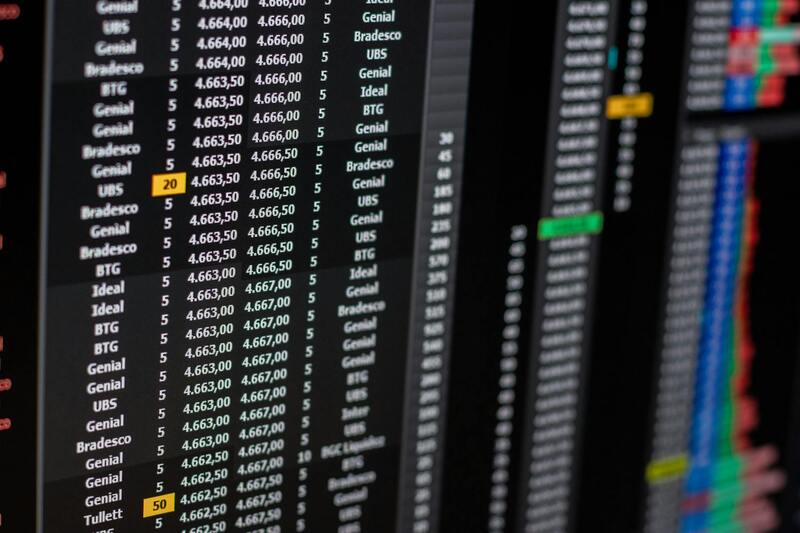
Modern proprietary trading platforms boast a wide array of advanced features designed to enhance trading accuracy and decision-making speed. These include real-time market data feeds, customizable dashboards, and robust analytical modules. Many tools incorporate algorithmic trading capabilities, allowing automated execution based on pre-defined parameters. Integration with high-frequency trading algorithms, predictive analytics, and machine learning models further refines trading strategies, enabling traders to anticipate market movements with heightened precision. To support compliance, these tools often incorporate audit trails and secure data handling protocols, safeguarding against unauthorized access and ensuring adherence to regulatory requirements.

Core Technical Components of Trading Tools
- Data Management Modules: For ingesting, processing, and visualizing large datasets from multiple sources.
- Execution Algorithms: Capable of rapid trade placement and order management to exploit market opportunities.
- Risk Control Systems: Real-time monitors and limits to prevent excessive exposure and mitigate losses.
- User Interface (UI): Intuitive interfaces that provide traders with comprehensive control and visibility into trading activities.
- Connectivity Protocols: Secure channels for market data, order routing, and compliance documentation exchange.
Effective Strategies for Choosing Proprietary Trading Tools
Selecting the most suitable tools involves a detailed assessment of operational needs and strategic objectives. Firms should prioritize platforms that offer high reliability, rapid execution capabilities, and advanced analytics features. Compatibility with existing trading infrastructure minimizes integration challenges and shortens deployment timeframes. Vendor support and ongoing software updates are critical for maintaining system robustness and incorporating emerging technological advancements. Testing options through trial periods or demo accounts enables traders to evaluate usability, performance, and scalability, ensuring the tools can handle future growth.
Deployment and Operational Best Practices
Implementation of proprietary trading tools requires meticulous planning to optimize performance and ensure a seamless transition. Starting with a phased rollout allows for training, troubleshooting, and fine-tuning of configurations. Continuous monitoring of tool performance, along with regular updates, safeguards against obsolescence. Establishing clear protocols for data security, backup procedures, and compliance checks is essential to safeguard proprietary strategies and sensitive information. Consistent evaluation and user feedback help refine workflows, maximize tool utilization, and adapt to evolving market conditions.

Security and Compliance – Best Practices
- Enforce multi-factor authentication and encrypted data channels to prevent unauthorized access.
- Implement comprehensive audit trails to track all trading activities and system interactions.
- Conduct regular security assessments and vulnerability scans to identify and mitigate potential risks.
- Maintain compliance documentation and procedural protocols aligned with industry standards.
- Train personnel on security best practices and regulatory obligations to foster a culture of vigilance.
By prioritizing security and compliance, firms protect their infrastructure and ensure that trading operations abide by established standards, reducing operational risks and safeguarding proprietary strategies against external threats.
