Proprietary Trading Platform: Key Features, Benefits, And Selection Criteria
Overview of Proprietary Trading Platforms
Proprietary trading platforms are specialized software solutions designed exclusively for trading firms and professional traders who operate with their own capital. Unlike platforms that cater to retail traders or investors, these systems facilitate the direct execution of trades in various financial markets using a firm's resources. They are developed to provide high-speed, reliable, and feature-rich environments that support complex trading strategies, risk management, and market analysis.
Within the scope of proprietary trading, these platforms serve as the primary interface through which traders analyze market data, place orders, and manage their trading activities. Their primary purpose is to optimize trading performance by leveraging advanced technology and algorithmic tools tailored to the needs of professional traders. Many of these platforms are customized or built in-house by trading firms to align with their specific trading styles and risk management protocols.
Distinguishing proprietary trading platforms from other trading tools, such as retail brokerage platforms or third-party trading software, revolves around their level of customization, speed, and functionality. Retail platforms often prioritize user-friendliness and access to a wide array of markets, whereas proprietary platforms are designed with a focus on execution efficiency, real-time data processing, and sophisticated order types. This targeted design helps professional traders and firms execute large volume trades with minimal slippage and maximal control.

The evolution of these platforms reflects ongoing advancements in financial technology, including integration of artificial intelligence, machine learning, and cloud computing, which enhance trading capabilities and operational resilience. Their role is critical in enabling traders to maintain competitive advantages in volatile and rapidly changing markets.
In summary, proprietary trading platforms are essential infrastructure for firms engaged in prop trading, distinguished by their customization, speed, and professional-grade functionalities. They serve as the backbone of a firm’s trading operations, ensuring traders have access to cutting-edge technology to execute their strategies efficiently and effectively.
Overview of Proprietary Trading Platforms
Proprietary trading platforms are the cornerstone of professional trading operations, enabling firms to execute high-volume trades with precision and speed. Unlike retail trading platforms, which cater to individual investors and prioritize usability and broad market access, proprietary platforms are engineered for the specific needs of trading firms and institutional traders. These platforms incorporate advanced technology to facilitate rapid decision-making, efficient order execution, and comprehensive risk management.
At the heart of a proprietary trading platform is its capability to process vast amounts of market data in real-time. This ensures traders can respond swiftly to market movements, capitalize on fleeting opportunities, and manage positions effectively. The platforms are distinguished by a high degree of customization, allowing firms to tailor functionalities such as order types, strategies, and analytics to fit their specific operational models.
Progressing from traditional trading systems, these platforms increasingly incorporate emerging technologies such as artificial intelligence, machine learning, and cloud computing. These innovations enable enhanced predictive analytics, automated decision-making, and scalable infrastructure that support rapid adjustments in volatile markets.
Furthermore, proprietary platforms are designed with integration capabilities that allow seamless connectivity with external data sources, execution venues, and risk management systems. This interconnectedness is essential for maintaining operational resilience and executing complex trading strategies efficiently.
Core Features of Proprietary Trading Platforms
- Advanced Order Execution: Support for a wide array of order types including algorithmic, stop-loss, and iceberg orders ensures traders can implement sophisticated trading strategies with minimal slippage.
- Real-Time Data Access: Continuous streaming of market data and news feeds enables traders to make informed decisions swiftly.
- Risk Management Tools: Built-in features for margin control, exposure limits, and automated risk assessments help maintain trading discipline and safeguard capital.
- Customizable Interfaces: User-friendly dashboards and layout options allow traders to tailor their workspace to optimize workflow and analysis.
- Automation and Algorithm Integration: Support for custom algorithms and automation scripts enhances trading speed and reduces manual input errors.
- Security Protocols: Robust encryption, multi-factor authentication, and activity logs ensure secure trading environments.
These features collectively improve trading precision, operational efficiency, and risk mitigation, making proprietary trading platforms indispensable for professional trading entities.

Overview of Proprietary Trading Platforms
Proprietary trading platforms serve as the backbone for professional traders and trading firms aiming to maximize their market operations. These platforms are specially designed to offer a comprehensive suite of tools and functionalities that facilitate sophisticated trading strategies, real-time data analysis, and robust risk management. Their primary goal is to streamline trading processes, reduce latency, and provide powerful customization options that cater to the diverse needs of traders engaged in high-frequency trading, algorithmic strategies, or manual execution. The deployment of an efficient proprietary trading platform can significantly influence trading performance, profitability, and operational resilience in an increasingly competitive financial environment.

Core Features of Proprietary Trading Platforms
To meet the rigorous demands of market professionals, proprietary trading platforms incorporate a range of critical features that ensure swift execution, comprehensive data access, and rigorous risk control. These features are essential for maintaining a competitive edge and achieving consistent trading success in volatile markets.
- Advanced Order Execution: Proprietary platforms support diverse order types, including algorithmic, iceberg, and stop-loss orders. This flexibility allows traders to implement complex strategies with precision and minimal slippage, even in fast-moving markets.
- Real-Time Data Access: Instantaneous streaming of market data, news, and.analytics enables traders to respond swiftly to market movements. Enhanced data accessibility aids in better decision-making and strategy adjustments during trading sessions.
- Risk Management Tools: Integrated risk controls such as margin monitoring, exposure limits, and automated alerts help traders manage their risk profile effectively. These tools are vital for preserving capital during adverse market conditions.
- Customizable User Interfaces: User-friendly dashboards and layout customization options present vital information clearly and efficiently. Traders can tailor their workspace to suit their workflow, boosting productivity and focus.
- Automation and Algorithmic Trading: Support for custom scripts and algorithms allows high-speed order execution, backtesting, and ongoing strategy refinement. Automation reduces manual errors and enhances trading precision.
- Security Features: State-of-the-art encryption protocols, multi-factor authentication, and comprehensive activity logging are implemented to safeguard trading operations and sensitive data.
By integrating these features, proprietary trading platforms enable traders to operate with enhanced precision, reduced latency, and improved oversight, ultimately leading to more consistent trading outcomes and better risk mitigation.
Benefits of Using a Proprietary Trading Platform
The adoption of a specialized platform offers numerous operational advantages:
- Enhanced Trading Efficiency: Automated features and streamlined interfaces allow traders to execute strategies swiftly and accurately, reducing manual effort and execution time.
- Improved Risk Control: Built-in risk management tools provide real-time insights into exposure levels, enabling timely adjustments to trading positions and safeguarding capital.
- Accelerated Decision-Making: Access to real-time data and customizable alerts supports proactive trading, allowing traders to capitalize on market opportunities promptly.
- Increased Profitability: Efficient order execution, strategic automation, and better risk management collectively contribute to more consistent and profitable trading results.
Factors to Consider When Choosing a Platform
While exploring proprietary trading platforms, traders should evaluate several key aspects to ensure they select the best fit for their operational needs. These considerations are fundamental for establishing a stable, secure, and efficient trading environment.
Integration and Compatibility
An effective platform should integrate seamlessly with existing data feeds, execution venues, and third-party tools. Compatibility with multiple devices and operating systems ensures flexibility in trading setups and reduces potential technical issues.
Security and Compliance
Security measures such as encryption, user authentication, and activity logs are essential for protecting sensitive data and maintaining operational integrity. Platforms should adhere to industry standards for data protection and ensure consistent compliance with relevant trading regulations.
Cost and Licensing Models
Transparency regarding licensing, subscription fees, and additional costs is crucial. It is important to assess whether the platform’s pricing model aligns with the trading firm's scale and budget, considering both initial setup and ongoing maintenance expenses.
Future Trends in Proprietary Trading Platforms
Advancements in artificial intelligence, machine learning, and cloud computing are driving the evolution of trading platforms. Next-generation systems will likely feature enhanced predictive analytics, greater automation capabilities, and increased interoperability, fostering smarter trading strategies and improved operational resilience.
Core Components of a Robust Proprietary Trading Platform
Developing or selecting a proprietary trading platform requires careful evaluation of various technological and operational aspects that are fundamental to its effectiveness. These core components serve as the backbone for seamless trading operations, ensuring that traders can execute strategies efficiently while maintaining data integrity and security.
Trading Engine and Execution Capabilities
The trading engine is the cornerstone of any proprietary system, responsible for processing buy and sell orders swiftly and accurately. High-performance execution capabilities minimize latency, which is critical for traders engaging in short-term or high-frequency strategies. Reliable order matching, real-time market data processing, and the ability to handle sudden market volatility are essential characteristics of a robust trading engine.
Market Data Integration
Access to comprehensive, real-time market data is indispensable for making informed trading decisions. Proprietary trading platforms should seamlessly integrate multiple data feeds across various asset classes, ensuring traders receive timely information about price movements, news, and market depth. Advanced data analytics tools embedded within the platform further enhance the trader’s ability to analyze trends and execute strategic trades.
Advanced Analytical Tools
- Customizable charting and technical analysis modules
- Algorithmic trading capabilities for automated strategies
- Probability and risk management calculators

User Interface and Experience
The design of the platform's interface directly impacts operational efficiency. An intuitive, customizable user interface allows traders to manage multiple assets, monitor open positions, and execute trades with minimal friction. Responsive layouts tailored for various devices—desktop, tablet, or mobile—ensure traders can operate seamlessly regardless of their location or preferred device.
Risk Management and Monitoring Tools
Effective risk management features include real-time P&L tracking, position sizing controls, and automated alerts for abnormal market activity. These tools enable traders and risk managers to respond swiftly to adverse market conditions, preventing significant losses and ensuring compliance with internal risk parameters.
Security Architecture
Security remains a top priority for trading platforms, given the sensitive nature of financial data. Platforms should incorporate multi-layered security measures, such as encryption protocols, secure login processes, multi-factor authentication, and activity logging. These defenses help ensure that trading activities and confidential data are protected from unauthorized access or potential breaches.
Compliance and Regulatory Features
Adherence to regulatory standards is facilitated through built-in compliance tools. Features such as audit trails, trade surveillance, and reporting capabilities help trading firms maintain transparency and meet industry requirements. Integration with compliance databases or systems can further streamline reporting procedures and support regulatory audits.
Customizability and Scalability
Trading platforms should offer customization options to tailor workflows, layouts, and analysis tools according to specific trader needs. Scalability is equally important, allowing the trading infrastructure to grow with the firm’s expanding asset classes, volume, and technological requirements. Modular architecture and cloud integration support this scalability, fostering long-term operational resilience.
Integration Capabilities and API Support
Interoperability with third-party tools, data providers, and execution venues is vital for a comprehensive trading environment. Robust APIs enable firms to connect proprietary modules, analytics, and external services seamlessly. This connectivity enhances the flexibility to incorporate new technologies as they emerge, ensuring the platform remains adaptable and future-proof.
Overview of Proprietary Trading Platforms
Proprietary trading platforms serve as the backbone for firms engaged in in-house trading activities, providing the essential infrastructure needed to facilitate efficient, secure, and high-speed execution of trades. These platforms are designed to support trading across various asset classes, including equities, derivatives, forex, and commodities, enabling traders to leverage advanced tools for market analysis, order management, and risk control. They are typically tailored to meet the specific needs of trading firms, offering flexibility in customization and integration with other technological systems.
In essence, proprietary trading platforms act as comprehensive environments where traders can deploy algorithms, utilize real-time data streams, and manage multiple trades simultaneously—all within a unified interface. This integration capability streamlines trading workflows, minimizes latency, and enhances decision-making, which are critical factors for competitive performance in fast-paced markets.
Core Features of Proprietary Trading Platforms
- Order Execution and Management: Allows for rapid and precise order placement, modification, and cancellation, often with features like one-click trading and customizable order types.
- Real-Time Market Data: Provides access to instant market quotations, news feeds, and analytics, supporting traders in making informed decisions.
- Risk Management Tools: Includes stop-loss orders, margin controls, and position monitoring tools to manage exposure proactively.
- Algorithmic Trading Capabilities: Supports automated trading strategies through custom algorithms and pre-built models.
- Analytics and Visualization: Offers advanced charting tools, heat maps, and performance dashboards to analyze trading activity and optimize strategies.
- Activity Logging and Audit Trails: Tracks all user actions and trades for compliance and analysis purposes, ensuring transparency and traceability.
Benefits of Using a Proprietary Trading Platform
Employing a dedicated platform offers numerous advantages that can directly influence trading outcomes and operational efficiency. Primarily, these platforms deliver unmatched speed and customization, allowing firms to tailor features precisely to their trading philosophies and risk management protocols.
Furthermore, robust integration support means that proprietary platforms can incorporate various third-party analytics, market data feeds, and execution algorithms, creating a cohesive trading environment. Enhanced security mechanisms, including encrypted data transmission and access controls, safeguard sensitive information and trading activities from unauthorized intrusion.
High reliability and uptime are also notable benefits; with enterprise-grade infrastructure and redundant systems, these platforms minimize downtime and maintain steady performance even during high volatility periods. Additionally, compliance features embedded within the platform assist trading firms in adhering to regulatory standards, producing detailed audit logs and facilitating seamless reporting to oversight bodies.
Factors to Consider When Choosing a Platform
Selecting the right proprietary trading platform requires careful evaluation of several critical aspects. First, compatibility is essential; the platform must integrate smoothly with existing trading systems, data sources, and analytical tools. Compatibility ensures minimal operational disruptions and maximizes efficiency.
Cost structures are another vital consideration. Licensing fees, subscription models, and transaction costs can vary significantly, making it essential to analyze the overall expenditure in relation to the platform’s capabilities and expected ROI. Some providers offer tiered licensing options, whereas others may implement pay-as-you-go models, allowing firms to scale their usage according to their evolving needs.
Ease of use and support services also influence the decision-making process. User-friendly interfaces reduce onboarding time and training costs, while responsive technical support ensures quick resolution of issues, maintaining uninterrupted trading activities.
Customizability and scalability are equally important, enabling the platform to adapt to future growth and strategic shifts. Platforms that offer modular features or cloud-based deployment options facilitate seamless upgrades and enhancements over time.
Security features, including multifactor authentication, data encryption, and activity monitoring, are indispensable in protecting trading operations. Platforms with comprehensive security measures foster trust and safeguard proprietary information against threats.
Assessing these factors helps in selecting a platform that not only meets current trading requirements but also accommodates future technological and market developments, enabling a firm to maintain a competitive edge in an ever-changing landscape.
Security and Compliance in Proprietary Trading Platforms
As technology advances, proprietary trading platforms must integrate rigorous security measures to safeguard sensitive data and proprietary information. Encryption protocols, such as AES-256, are standard for protecting data both at rest and during transmission, creating a secure environment for trading activities. Multi-factor authentication (MFA) adds an extra layer of security, ensuring that access to the platform is restricted to authorized personnel only. Regular vulnerability assessments and penetration testing help identify and mitigate potential security threats before they can be exploited.
Data protection extends beyond encryption, involving comprehensive measures to secure stored data and prevent unauthorized access. Role-based access control (RBAC) ensures that users can only access information pertinent to their responsibilities, reducing the risk of internal breaches. Intrusion detection systems (IDS) continuously monitor network traffic for suspicious activity, enabling swift responses to potential threats.
Compliance with industry standards and regulations is paramount. Many trading platforms are designed to meet requirements established by financial authorities and regulatory agencies, such as the Financial Industry Regulatory Authority (FINRA) or other regional entities. These standards typically include rules on data encryption, audit trails, and reporting protocols, ensuring that trading activities adhere to established legal frameworks.
Regulatory Documentation and Audit Readiness
Maintaining detailed logs of trading activities, system access records, and security incidents is essential for transparency and audit preparedness. Proprietary trading platforms often feature integrated audit trail functionalities, simplifying compliance reporting and providing evidence of due diligence during inspections or investigations.
Integration with Compliance Systems
Effective platforms facilitate integration with broader compliance management systems, automating workflows such as trade surveillance, risk assessment, and regulatory reporting. This integration minimizes manual intervention, reduces errors, and enhances overall compliance posture.
The combination of secure architecture and compliance adherence forms the backbone of a reliable proprietary trading environment. Continuous updates to security protocols and compliance features are necessary to adapt to evolving threats and regulatory changes. Selecting a platform with robust security and compliance capabilities ensures that trading operations remain resilient, trustworthy, and aligned with industry standards.
Integration and Compatibility
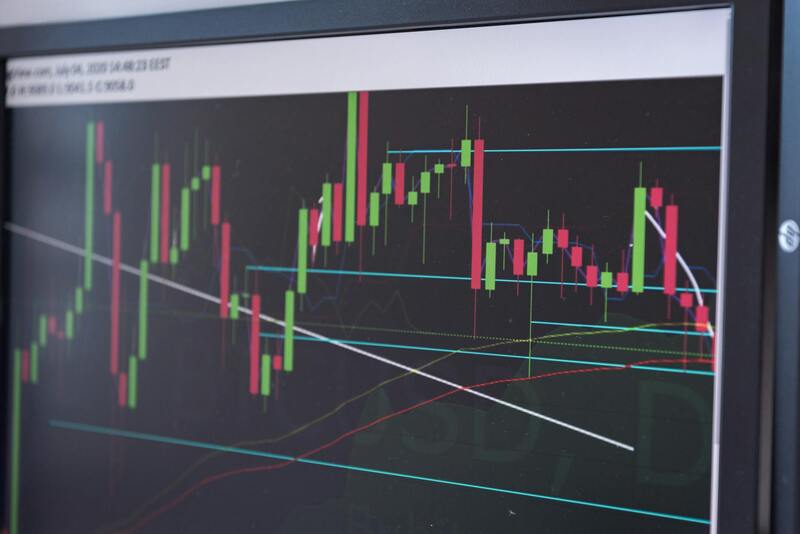
Successful implementation of a proprietary trading platform hinges significantly on its ability to seamlessly integrate with existing financial systems, tools, and data sources. Compatibility with various hardware and software environments ensures that traders and back-office personnel can operate without disruptions, fostering a more cohesive trading environment. This includes support for diverse trading algorithms, data feeds, and legacy systems that are already in place within an institution. Compatibility also extends to data formats and APIs, which facilitate smooth data exchange and interoperability between different platforms or modules within a trading infrastructure.
Many modern proprietary trading platforms are designed with open architecture, allowing for customizable integration solutions. This flexibility enables firms to tailor the platform to their specific operational needs, whether that involves connecting to advanced market data providers, risk management tools, or client reporting systems. The ability to integrate third-party analytics, order management systems, and market access gateways without extensive reprogramming reduces deployment time and minimizes operational risks.

Compatibility also means adherence to industry standards such as FIX (Financial Information Exchange) protocol, which enables standardized communication for order routing and execution. Platforms supporting FIX facilitate rapid connectivity with exchanges and liquidity providers, essential for executing high-frequency and algorithmic trades efficiently. Compatibility with multiple operating systems, including Windows and Linux, allows firms to deploy platforms within their preferred IT environments, promoting flexibility and scalability.
Choosing a platform that excels in integration minimizes manual interventions, reduces data silos, and ensures real-time synchronization across all relevant systems. This integration capability plays a key role in maintaining competitive edge, optimizing trading workflows, and meeting stringent risk management and compliance requirements effectively.
Security and Compliance
Security remains a core pillar when evaluating proprietary trading platforms. Modern platforms are equipped with advanced encryption protocols to protect sensitive trading data and client information. Moreover, they incorporate multi-factor authentication and role-based access controls to restrict system access to authorized personnel only, thereby safeguarding against insider threats and unauthorized usage.
Compliance features are embedded within the platform, enabling automatic adherence to regulatory standards and facilitating audit processes. Automated record-keeping, detailed activity logs, and comprehensive reporting tools ensure that all trading activity is transparent and traceable. These features not only support operational transparency but also simplify regulatory reporting and internal audits.
Effective proprietary trading platforms also support integration with compliance monitoring systems, which oversee trade surveillance, risk assessment, and reporting workflows. This integration helps firms detect irregular trading patterns promptly and meet evolving regulatory expectations without the need for extensive manual oversight. Regular updates to security protocols and compliance functionalities are vital in adapting to emerging threats and changes in trading regulations, thus maintaining a resilient and trustworthy trading environment.
Comprehensive Evaluation of Proprietary Trading Platforms
Adherence to Regulatory Frameworks and Audit Readiness
Proprietary trading platforms are meticulously designed to seamlessly align with a multitude of regulatory standards and facilitate efficient audit procedures. These platforms incorporate automated record-keeping functionalities that capture detailed transaction histories, user activity logs, and compliance-related documentation in real-time. This systematic record management ensures that firms can readily produce comprehensive reports during audits, demonstrating adherence to internal policies and external mandates. Audit readiness is further enhanced through customizable reporting modules that generate tailored reports, summarizing trading activities, risk assessments, and compliance metrics. The platforms often feature audit trail functionalities that trace each transaction's origin and modification history, enabling transparent investigation and verification of trading operations. This traceability is instrumental in maintaining operational integrity and fostering stakeholder confidence. Additionally, integration capabilities with regulatory monitoring tools allow for continuous oversight of trading activities, detecting irregularities and flagging potential compliance breaches proactively. Such features are vital in maintaining a robust trading environment that adheres to evolving regulatory expectations, minimizing potential disruptions caused by non-compliance issues. Regular platform updates and patches further ensure that all compliance features stay aligned with the latest regulatory requirements, providing users with a resilient and audit-ready trading infrastructure.
Leveraging Advanced Analytical Tools for Performance Optimization
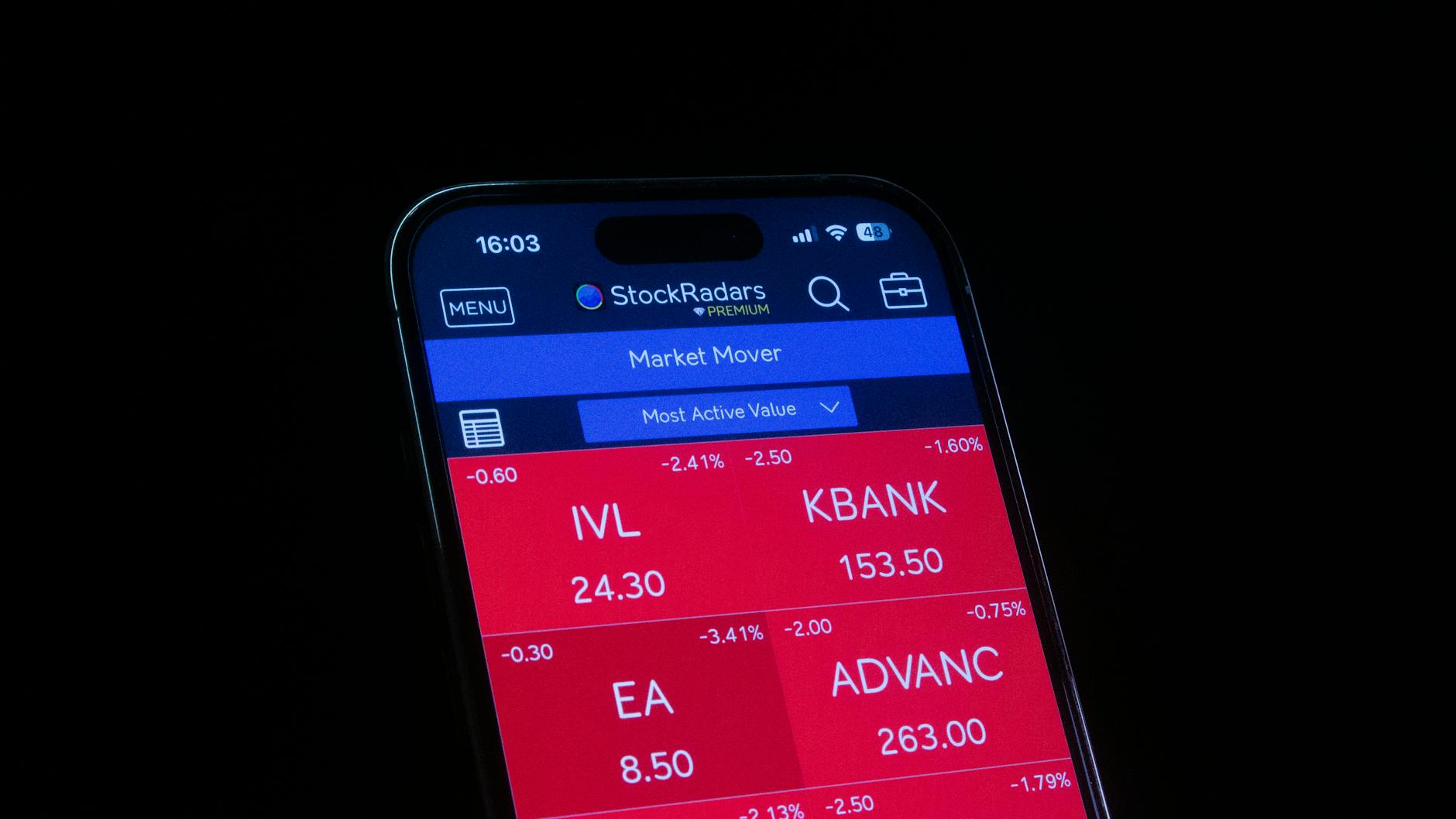
Modern proprietary trading platforms are increasingly embedding sophisticated analytical tools designed to enhance traders’ decision-making processes. These tools utilize real-time data analytics, predictive modeling, and customizable dashboards to provide traders with actionable insights into market trends, liquidity levels, and risk exposures. The integration of advanced charting and technical analysis modules enables traders to identify strategic entry and exit points with precision. Additionally, scenario analysis features allow for stress testing trading strategies against hypothetical market conditions, providing a robust mechanism for risk management. AI-powered algorithms are also being employed within these platforms to identify patterns and anomalies that might evade human detection, thereby supporting traders in spotting emerging opportunities or potential threats promptly. Metrics such as trade efficiency, profitability, and risk-adjusted returns are continuously monitored and visualized, offering valuable feedback for strategy refinement. Furthermore, these analytical capabilities promote an evidence-based approach to trading, reducing reliance on intuition alone. As a result, traders can make more informed decisions, optimize trading strategies, and ultimately enhance overall performance, all within a secure and compliant platform environment.