
Understanding Proprietary Trading Firms: Operations And Industry Insights
Definition and Role of Proprietary Trading Firms
Proprietary trading firms, commonly known as prop trading firms, are specialized financial entities that trade financial instruments using their own capital instead of client funds. Their primary focus is to generate profit through active trading strategies across various markets, including equities, commodities, derivatives, and foreign exchange. These firms employ skilled traders who capitalize on market movements, utilizing sophisticated analysis, technological tools, and strategic trade execution to optimize profits.
At the core, proprietary trading firms serve a vital role in the financial ecosystem by providing liquidity, facilitating price discovery, and enhancing market efficiency. Their ability to swiftly adapt to market conditions, combined with their financial resources, often allows them to execute complex strategies that can influence market dynamics. Through these activities, prop trading firms contribute significantly to market stability and depth, while also offering opportunities for traders and investors to engage in lucrative trading endeavors.

Key Functions of Proprietary Trading Firms
- Market Making: Providing buy and sell quotes to ensure liquidity in various securities and derivatives markets.
- Arbitrage Strategies: Exploiting price discrepancies across different markets or instruments to secure profits with minimal risk.
- Quantitative Trading: Using algorithmic models and high-frequency trading techniques to identify profitable trades in milliseconds.
- Market Prediction: Analyzing large datasets and market signals to anticipate price movements and execute strategic trades.
These functions collectively contribute to a more efficient and resilient financial environment, creating opportunities for skilled traders to leverage their expertise while managing associated risks prudently. The importance of proprietary trading firms has only grown with technological advancements and evolving market complexities, making them integral players in today’s financial industry.
Types and Structures of Proprietary Trading Firms
Proprietary trading firms develop their organizational framework based on their market focus, operational scale, and strategic objectives. These firms generally fall into several categories, each with distinct operational models designed to optimize trading efficiency, risk management, and talent utilization.
Solo Proprietary Trading Firms
These firms are typically smaller entities managed by a handful of experienced traders or a single trading team. They operate with a compact structure, emphasizing agility and personalized trading strategies. Solo traders often have significant autonomy, allowing for quick decision-making and tailored risk management protocols. This model is suitable for traders who prefer a less hierarchical environment and have a proven track record in proprietary trading.
Partnership and Collective Trading Firms
These organizations comprise groups of traders or small teams operating under a common umbrella. They often share resources such as capital, technology, and market research, facilitating collaborative decision-making and risk sharing. Partnership structures allow traders to leverage collective expertise while maintaining a level of independence in their trading activities. They are popular among traders who value mentorship, shared capital pools, and a collective approach to market opportunities.
Corporate Proprietary Trading Firms

These large-scale firms operate with elaborate organizational hierarchies, often employing hundreds of traders and analysts. They utilize sophisticated trading systems, advanced analytics, and risk management frameworks to execute complex strategies across diverse asset classes. Corporate prop firms typically have dedicated compliance, technology, and research departments, enabling them to execute high-volume trades efficiently and manage risks comprehensively.
Hybrid Structures
Some proprietary trading firms combine elements of different models to create hybrid structures that optimize flexibility, resource sharing, and scalability. For example, a firm may operate a core corporate structure while allowing individual traders or small teams to conduct autonomous trading activities under shared risk parameters. This setup facilitates innovation, diversity in trading approaches, and efficient capital allocation.
Business Models and Revenue Streams
- Performance-Based Compensation: Traders earn a percentage of the profits generated, incentivizing performance and strategic risk-taking.
- Fixed Salary and Bonuses: Some firms combine fixed remuneration with performance bonuses, especially in larger organizations focused on stability alongside profitability.
- Profit Sharing: Collective profit sharing may be employed in partnership models, distributing earnings proportionally based on contribution or stake.
Understanding the structure and organizational configuration of proprietary trading firms provides insight into their operational efficiencies and risk management strategies. Each model offers unique benefits, catering to different trader profiles, trading styles, and growth ambitions.
Understanding the Trading Strategies and Technologies Employed by Proprietary Trading Firms
Proprietary trading firms leverage a broad spectrum of sophisticated trading strategies designed to optimize profits and mitigate risks across multiple asset classes. These approaches are often tailored to the firm’s specific goals, markets of focus, and trader expertise, ensuring a strategic alignment with operational objectives.
One of the primary strategies used within proprietary trading firms is momentum trading. This technique involves capitalizing on the continuation of existing market trends, requiring traders to identify and enter positions where momentum appears strong, employing technical analysis tools and real-time data feeds to time entries and exits accurately. Momentum strategies are prevalent in highly liquid markets such as equities, forex, and futures, where rapid price movements can generate substantial gains.
Mean reversion is another common approach, grounded in the premise that asset prices tend to revert to their historical average over time. Traders employing this method look for overextended moves and anticipate reversals, often utilizing statistical tools, volatility measures, and chart patterns to inform their decisions. This approach is particularly effective in less trending markets or during periods of consolidation.
In addition, proprietary trading firms utilize algorithmic trading systems or algos, which automate decision-making processes based on pre-programmed rules. These algorithms can analyze vast datasets, identify trading opportunities faster than manual methods, and execute trades with minimal latency. Algorithmic strategies include market making, arbitrage, and high-frequency trading, all of which demand cutting-edge hardware, low-latency infrastructure, and continuous system optimization to gain an edge in competitive markets.
For traders engaged in longer-term positions, trend-following methodologies are utilized, which involve sticking to the prevailing market direction over extended periods, often supported by fundamental analysis, macroeconomic indicators, and economic news sentiment analysis. These strategies require discipline and patience but can generate consistent returns over time.

Technological infrastructure is equally crucial in executing these strategies efficiently. Proprietary trading firms rely heavily on robust platforms that provide real-time market data, advanced charting tools, and order execution capabilities. Custom trading algorithms are often developed in-house or in collaboration with specialized technology providers, enabling firms to refine their strategies continually.
Quantitative analytics and machine learning models play an increasingly important role in developing predictive models and enhancing strategy performance. By analyzing historical data and market signals, these models help traders identify patterns and optimize trade entries and exits, often leading to improved profitability and risk controls.
Furthermore, advanced risk management software integrated with trading systems allows proprietary firms to monitor positions in real-time, enforce risk limits, and adjust positions proactively to prevent disproportionate losses. This seamless integration of strategy, technology, and risk oversight forms the backbone of successful prop trading operations.
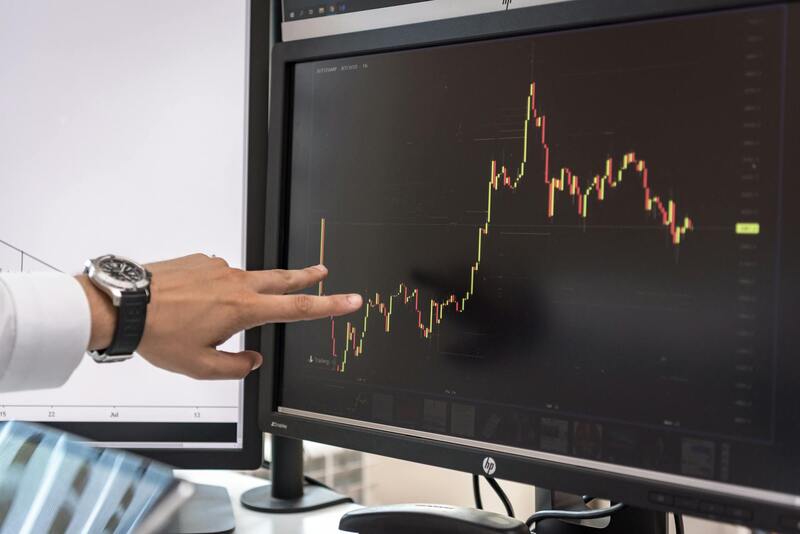
Effective Methods for Proprietary Trading Firm Funding and Capital Management
For traders looking to establish a foothold within a proprietary trading firm, understanding the various avenues for funding and capital management is essential. Proprietary trading firms typically operate with diverse models that facilitate traders' access to capital while maintaining stringent risk controls. The primary method involves traders earning their trading capital through performance, known as profit sharing or scaling models, which incentivizes skill and discipline. Successful traders often start with a smaller allocation that can grow as they demonstrate consistent profitability, allowing the firm to actively manage risk exposure.
Another common approach involves fixed-capital accounts where traders are granted access to a predetermined trading budget. Such arrangements usually require traders to undergo a comprehensive evaluation process, including simulated trading assessments or a probation period, to verify their trading proficiency. Upon demonstrating proficiency, traders are assigned capital. This process ensures the trader's strategies align with the firm's risk parameters and operational standards. Proprietary firms often implement tiered funding structures, enabling traders to access increased capital as they achieve predetermined milestones, fostering a performance-based growth environment.

Financial tools and software are vital in managing the allocation and monitoring of trading capital. Proprietary firms leverage sophisticated portfolio management platforms that facilitate real-time capital allocation, risk assessment, and performance analytics. These tools provide traders with instant feedback on their trading performance relative to their capital limits, promoting disciplined trading behaviors. Additionally, risk-adjusted metrics such as the Sharpe ratio or maximum drawdown are used to evaluate traders' effectiveness, ensuring that capital is allocated efficiently while minimizing risk exposure.
Moreover, some firms implement hybrid models combining allocated capital with performance-based incentives. In this setup, traders may start with an initial stake but can increase their trading capital by achieving consistent results over designated periods. This system not only motivates traders to hone their skills but also allows firms to retain control over overall risk levels. Transparent and well-defined capital management practices ultimately safeguard firm assets while enabling traders to operate with a significant degree of independence.
Effective capital management strategies in proprietary trading firms include contingency planning such as stop-loss orders, position size limits, and dynamic adjustment of trade sizes based on market volatility. These mechanisms work collaboratively to protect both trader and firm capital, ensuring sustained trading operations even during adverse market conditions. By adhering to strict capital controls and employing advanced financial management systems, proprietary trading firms can foster an environment that balances aggressive trading with prudent risk oversight.
Overall, the combination of performance-based funding, sophisticated management tools, and disciplined risk controls fosters a resilient framework for capital allocation in proprietary trading firms. Traders who understand and effectively engage with these methods can maximize their potential for growth while contributing to the profitability and stability of the firm’s trading operations.
Risk Management and Capital Allocation in Prop Trading
Proprietary trading firms prioritize meticulous risk management strategies to sustain their operational stability and growth. Central to this approach is the implementation of comprehensive risk controls that monitor exposure levels, limit potential losses, and optimize the deployment of trading capital. Firms often employ sophisticated systems that automatically adjust trade sizes based on real-time market volatility and individual trader performance, ensuring an adaptive response to changing market conditions.
Effective capital allocation begins with detailed assessments of market opportunities and internal risk capacity. Firms rigorously analyze the risk-reward profile of each trading strategy, allocating funds proportionately to mitigate the impact of unforeseen market movements. This process involves setting strict parameters such as maximum drawdowns, profit targets, and exposure limits for each trader or strategy, which are monitored continuously through advanced risk analytics platforms.
In addition to real-time monitoring, proprietary trading firms adopt contingency measures like stop-loss orders and dynamic position sizing to contain potential losses. These controls serve as safeguards that activate automatically if trades move against the predetermined risk thresholds, thereby protecting both the firm’s assets and its traders. Such mechanisms are complemented by regular audits, stress testing, and scenario analyses designed to identify vulnerabilities and refine risk mitigation techniques.

Another crucial aspect of risk management involves maintaining a balanced risk-to-reward ratio for each trading activity. Prop trading firms foster an environment where disciplined execution is paramount, emphasizing that traders adhere to predefined risk parameters while maximizing profit opportunities. This disciplined approach minimizes impulsive decision-making and aligns trading actions with the firm’s broader financial stability goals.
The use of advanced technology tools such as algorithmic trading systems, real-time analytics dashboards, and automated risk assessment software enhances the precision and efficiency of risk management processes. These tools provide traders and risk managers with comprehensive insights into trading activities, allowing for swift adjustments and informed decision-making. By integrating these technologies into daily operations, proprietary trading firms maintain resilience in turbulent markets and safeguard their capital base against excessive risk exposure.

Balancing Growth and Stability
Achieving the right equilibrium between aggressive trading growth and preservation of capital is a dynamic challenge that proprietary trading firms continually address. They emphasize fostering a culture of disciplined risk-taking, where traders are incentivized to pursue profitable opportunities within well-defined risk frameworks. This balanced approach promotes sustained profitability without compromising the firm’s long-term stability, even amid volatile market conditions.
In essence, successful proprietary trading hinges on the seamless integration of rigorous risk assessment, strategic capital deployment, and technological innovation. This comprehensive framework ensures that firms can capitalize on market opportunities while maintaining financial robustness, enabling them to adapt effectively to evolving market landscapes and maintain a competitive edge.
Risk Management and Capital Allocation in Prop Trading
Proprietary trading firms prioritize sophisticated risk management protocols to safeguard their capital while pursuing consistent profitability. This necessitates a strategic allocation of trading capital based on detailed analysis, risk appetite, and market conditions. Capital allocation in prop trading is not static; it is continuously reviewed and adjusted in response to real-time market dynamics, trading performance, and emerging opportunities.
One of the core components of risk management involves setting strict exposure limits aligned with the firm’s overall risk appetite. These limits encompass position sizes, leverage ratios, and stop-loss boundaries, which are rigorously enforced through automated systems and manual oversight. Such measures prevent overexposure in volatile markets, ensuring that the firm's capital is protected from significant drawdowns.

Advanced proprietary trading firms leverage technological solutions like real-time analytics dashboards to monitor trading activities continuously. These tools aggregate data across multiple trading desks and strategies, providing instant insights into performance metrics, risk exposure, and compliance adherence. By employing machine learning algorithms and data-driven models, firms can predict potential risk scenarios, optimize trading strategies, and prevent losses before they materialize.
Furthermore, automated risk assessment software facilitates swift decision-making, allowing traders to adjust positions instantly when market conditions shift unexpectedly. This agility is critical for maintaining the firm’s stability, particularly during turbulent periods when rapid response can mitigate losses significantly.
Capital allocation strategies within proprietary trading firms balance aggressive pursuit of growth opportunities with prudent risk controls. This involves deploying capital variably across different asset classes or trading strategies, depending on their risk return profile and historical performance. Quantitative models help quantify potential upside versus downside, ensuring that each trade aligns with the firm’s overarching risk management framework.
Another important aspect is diversification, which helps spread risk across multiple strategies and markets. This approach reduces dependency on any single asset or trading environment, lowering overall portfolio risk. Additionally, continuous performance assessment and stress testing are integral processes that help identify vulnerabilities and refine capital deployment policies.
Technological Innovations Driving Risk and Capital Strategies
Prop trading firms increasingly integrate artificial intelligence and machine learning into their risk and capital management workflows. These technologies support predictive analytics, enabling firms to foresee market shifts and adjust their exposure proactively. Blockchain-based systems for transaction tracking and audit trails add layers of transparency and efficiency, reinforcing adherence to internal policies and external guidelines.
By embracing these advanced tools, proprietary firms enhance their ability to implement nuanced risk-adjusted strategies, maintain liquidity, and adapt swiftly to fluctuating market landscapes. Such technological integration safeguards the firm’s capital base and sustains its competitive edge, even amid unpredictable market conditions.
Risk Management and Capital Allocation in Prop Trading
Effective risk management and strategic capital allocation are fundamental pillars for proprietary trading firms aiming to sustain profitability and mitigate losses. These firms employ a rigorous framework to identify, measure, and control risks associated with their trading activities. Central to this approach is the use of advanced quantitative models that evaluate potential trade outcomes, quantify expected returns, and assess downside scenarios. Such models incorporate a variety of market variables, historical data, and probabilistic analysis to inform decision-making processes.
Capital allocation within a prop trading firm is driven by a disciplined process that aligns trading activities with risk appetite and overall strategic objectives. Capital is allocated based on the expected profitability of different strategies and asset classes, while maintaining safeguards against excessive exposure. Diversification across multiple strategies and asset classes plays a crucial role in spreading risk, reducing dependency on any single market movement, and smoothing overall portfolio volatility.

To further enhance risk mitigation, proprietary trading firms perform continuous performance assessments and stress testing exercises. These assessments simulate adverse market conditions to evaluate the resilience of trading strategies and capital allocations. The insights gained guide adjustments to trading parameters or risk exposure, ensuring the firm remains adaptive in volatile environments.
Technological Innovations Driving Risk and Capital Strategies
Recent technological advancements have dramatically transformed how prop trading firms handle risk and capital. Artificial intelligence (AI) and machine learning algorithms enable predictive analytics that forecast market trends, identify emerging risks, and facilitate proactive adjustments. These tools automate data analysis processes, providing real-time insights that improve risk-adjusted decision-making.
Blockchain technology is increasingly integrated into trading systems for enhanced transparency and auditability. Blockchain ensures secure transaction tracking and maintains transparent records of trading activities, strengthening compliance and operational integrity. Additionally, data visualization platforms and algorithmic trading systems allow firms to monitor key risk indicators continuously, enabling swift responses to market shifts.

The adoption of these advanced tools empowers proprietary trading firms to implement nuanced, risk-adjusted strategies that adapt to changing market conditions—producing more consistent performance and safeguarding capital reserves. Dynamic adjustments based on real-time analytics help firms to remain competitive by balancing aggressive profit pursuits with rigorous risk controls, even during periods of heightened volatility.
Final Insights into the Operations and Evolution of Proprietary Trading Firms
To fully comprehend the landscape of proprietary trading firms, it's crucial to examine their future trajectories and ongoing industry developments. As technological innovation accelerates and market complexity grows, these firms are poised to adapt in ways that enhance their operational efficiency, risk management, and profitability. Their ability to stay at the forefront of technological advancements and regulatory shifts determines their longevity and competitive advantage in the trading ecosystem.
Emerging Technological Innovations Reshaping Proprietary Trading
Recent years have seen a surge in sophisticated technological implementations within proprietary trading firms. Artificial Intelligence (AI) and machine learning algorithms are now fundamental to analyzing vast datasets with unparalleled speed and accuracy. These systems facilitate more precise market predictions, optimize trade execution, and automate complex decision-making processes, reducing human error and increasing efficiency.
Quantum computing is another frontier that could revolutionize proprietary trading in the upcoming years. By leveraging quantum algorithms, firms aim to solve complex optimization problems and simulate market scenarios at speeds unattainable with classical computers. Although still in nascent stages, quantum technologies hold the promise of significantly enhancing trading strategies and risk assessment models.
Adapting to Regulatory and Market Dynamics
Regulatory frameworks are continually evolving, pressing proprietary trading firms to enhance their compliance measures. Many are investing in advanced compliance monitoring tools that utilize blockchain for transparent audit trails and secure data management systems. This ensures adherence to trading standards and fosters trust with stakeholders, investors, and regulators.
Market dynamics are also shifting due to globalization and increased liquidity, compelling firms to innovate their trading algorithms and risk strategies. The integration of multi-asset trading platforms enables firms to diversify their portfolios and capitalize on cross-market opportunities, balancing their risk exposure across different asset classes.
Strategic Industry Collaborations and Talent Acquisition
Looking ahead, strategic collaborations between proprietary firms and financial technology developers are becoming more prevalent. These partnerships facilitate access to cutting-edge tools and foster innovation in trading practices. Simultaneously, talent acquisition strategies are becoming more sophisticated, with firms seeking professionals skilled in data science, AI programming, and quantitative analysis to maintain their competitive edge.

Prop trading firms are investing heavily in research and development initiatives to pioneer new methodologies and capital market solutions. Their focus extends beyond immediate profitability, emphasizing sustainable growth, risk resilience, and technological agility. This forward-looking approach ensures they can anticipate market shifts, harness emerging opportunities, and maintain their position within the competitive landscape.
Conclusion
The future of proprietary trading firms lies in their ability to leverage modern technology, adapt to regulatory environments, and forge strategic partnerships. By continuously innovating and refining their operational models, these firms aim to sustain their profitability and manage risks effectively in an ever-changing financial environment.
